Product Information
Extra Information
Product Information
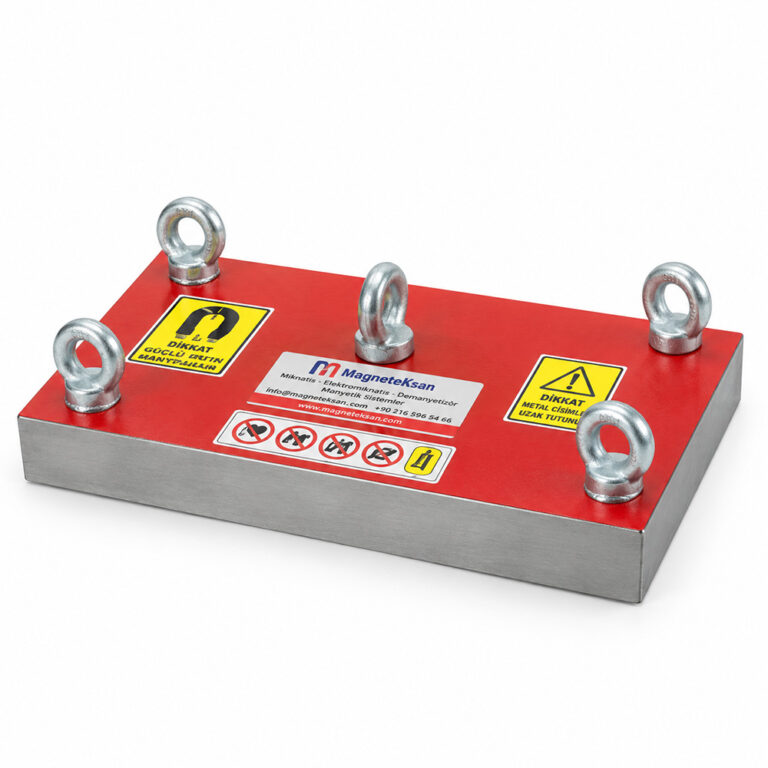
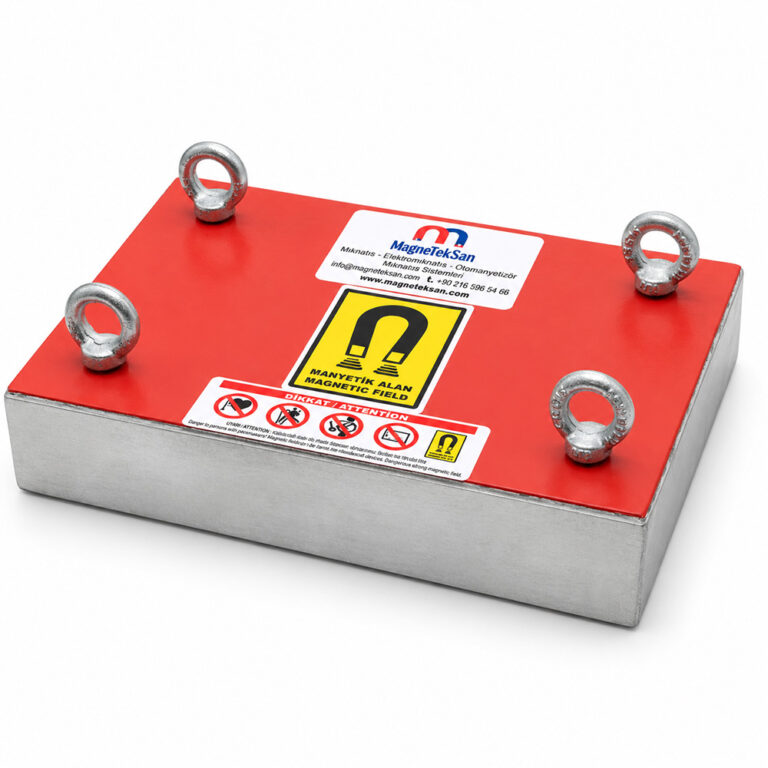
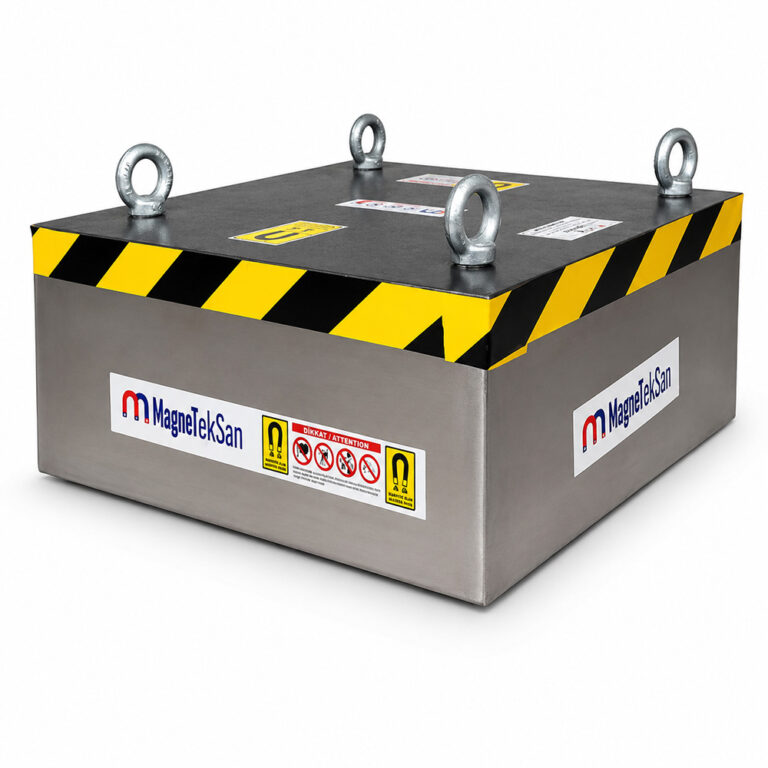
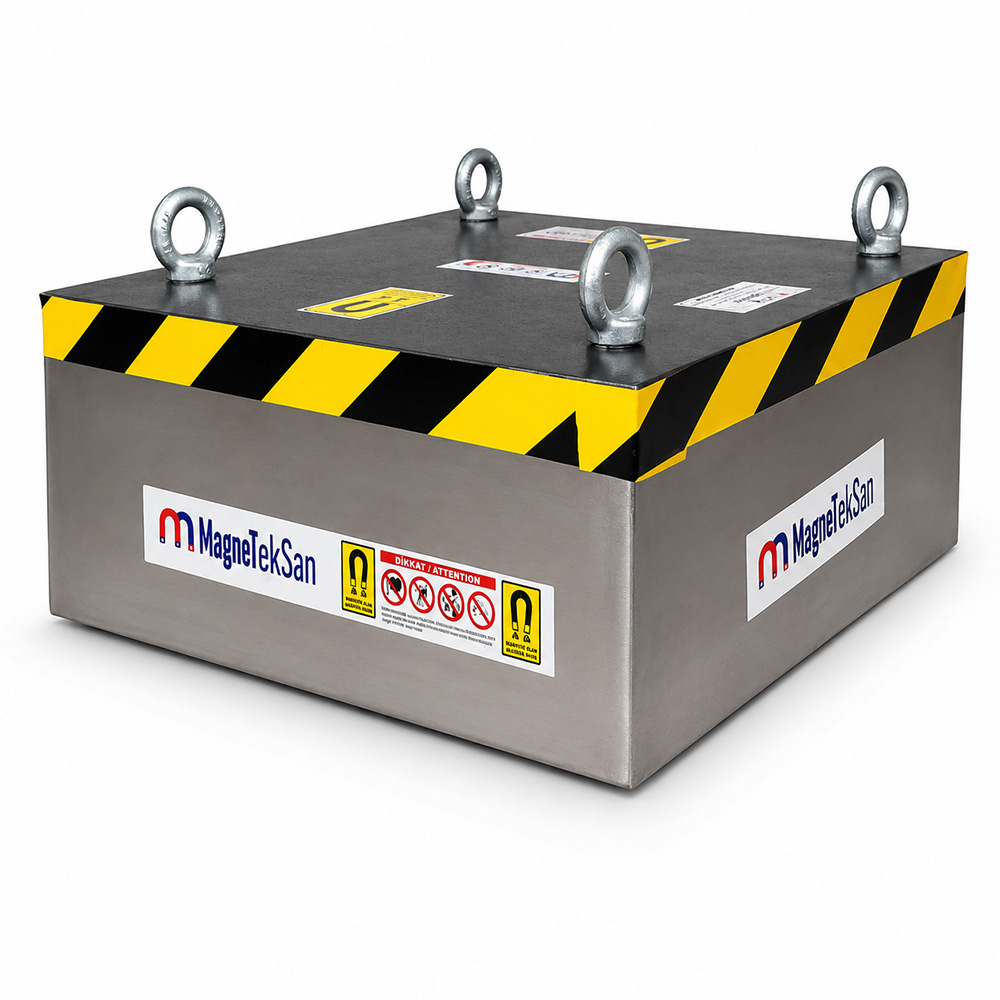
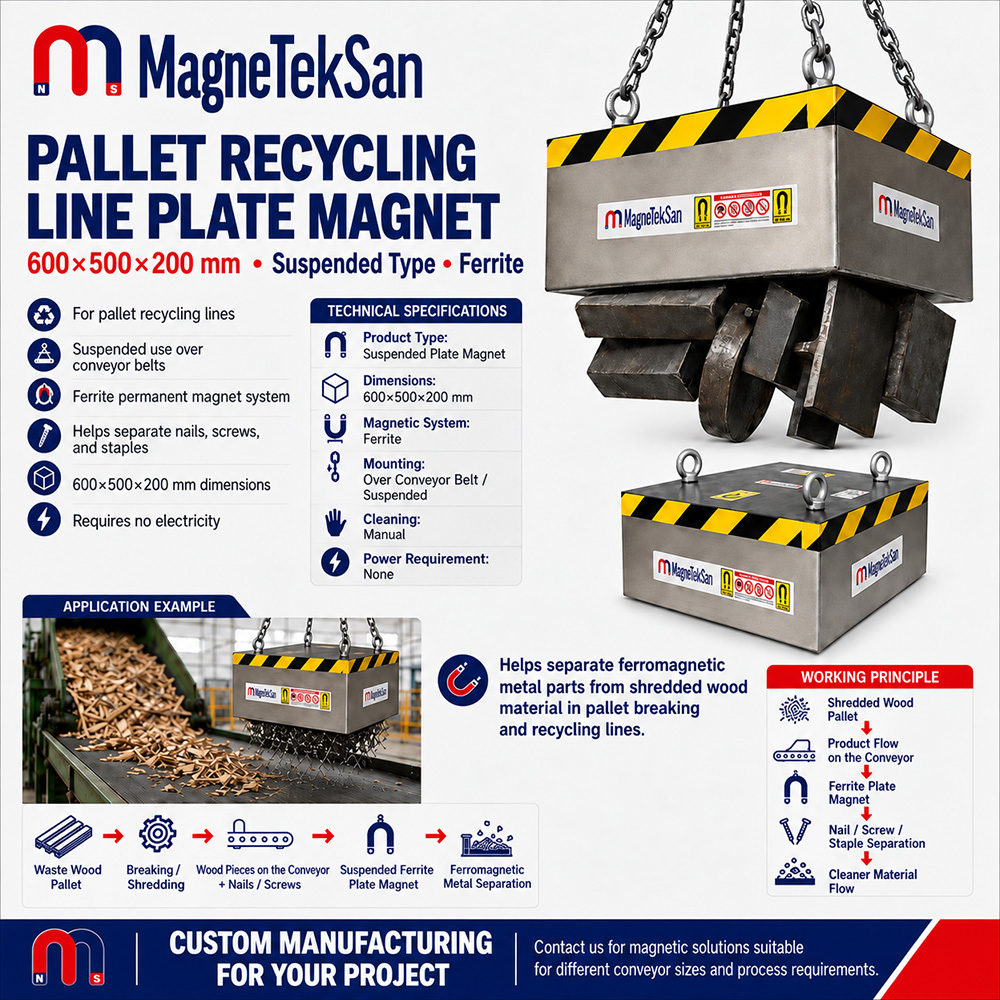
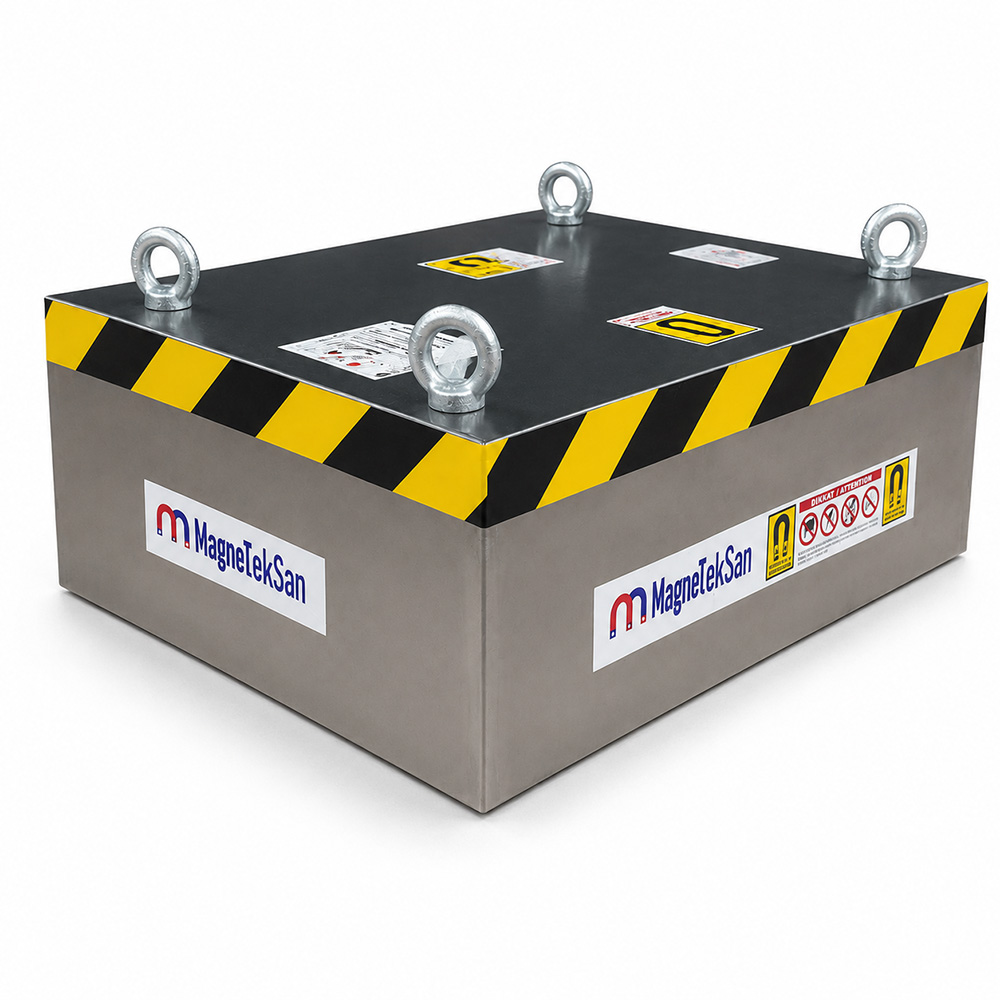
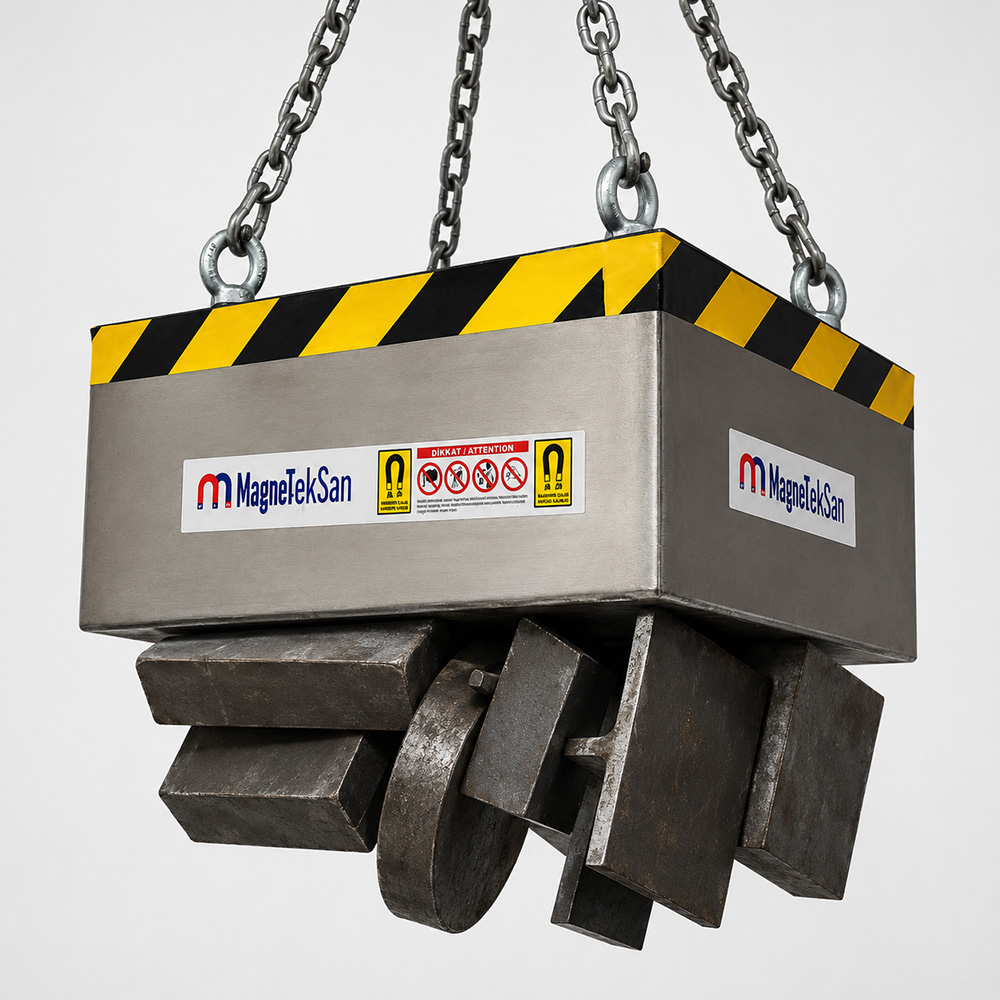
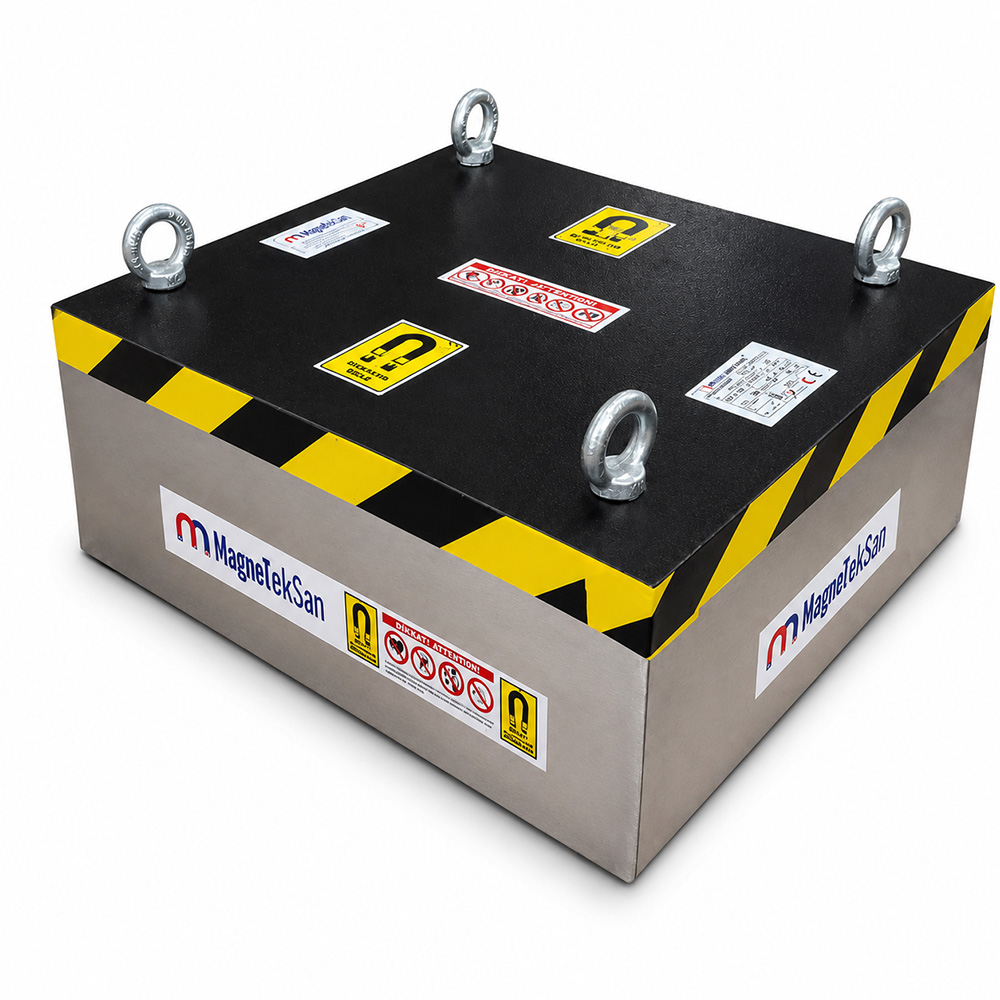
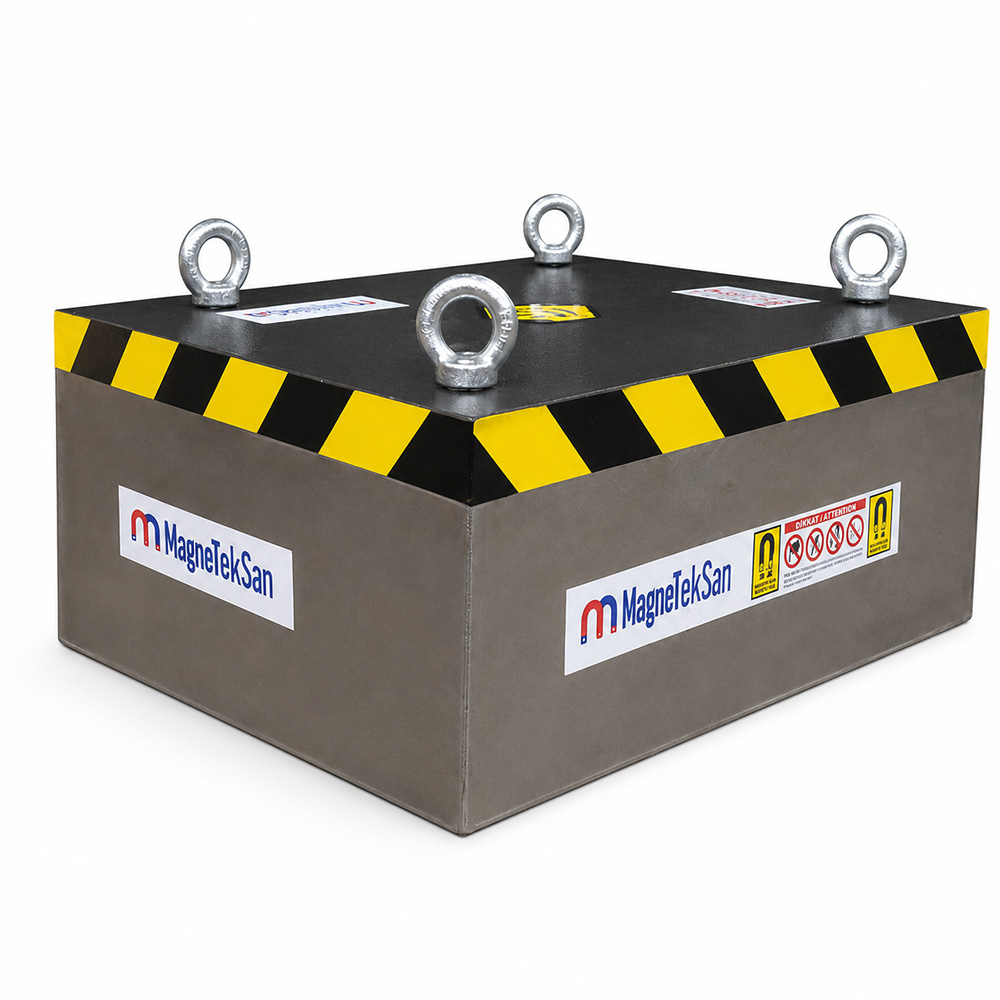
The 600x500x200 mm Ferrite Suspended Plate Magnet is designed for pallet shredding and wood recycling lines to help separate nails, screws, staples and other ferrous metal contamination released from waste timber. Suspended above the conveyor, its permanent ferrite magnetic system attracts suitable iron and steel parts while the processed wood continues along the line. It requires no electrical power and accumulated metal is removed manually at appropriate intervals.
| Technical Specification | Value |
|---|---|
| Product Type | Suspended Plate Magnet |
| Main Application | Pallet Recycling / Wood Recycling Line |
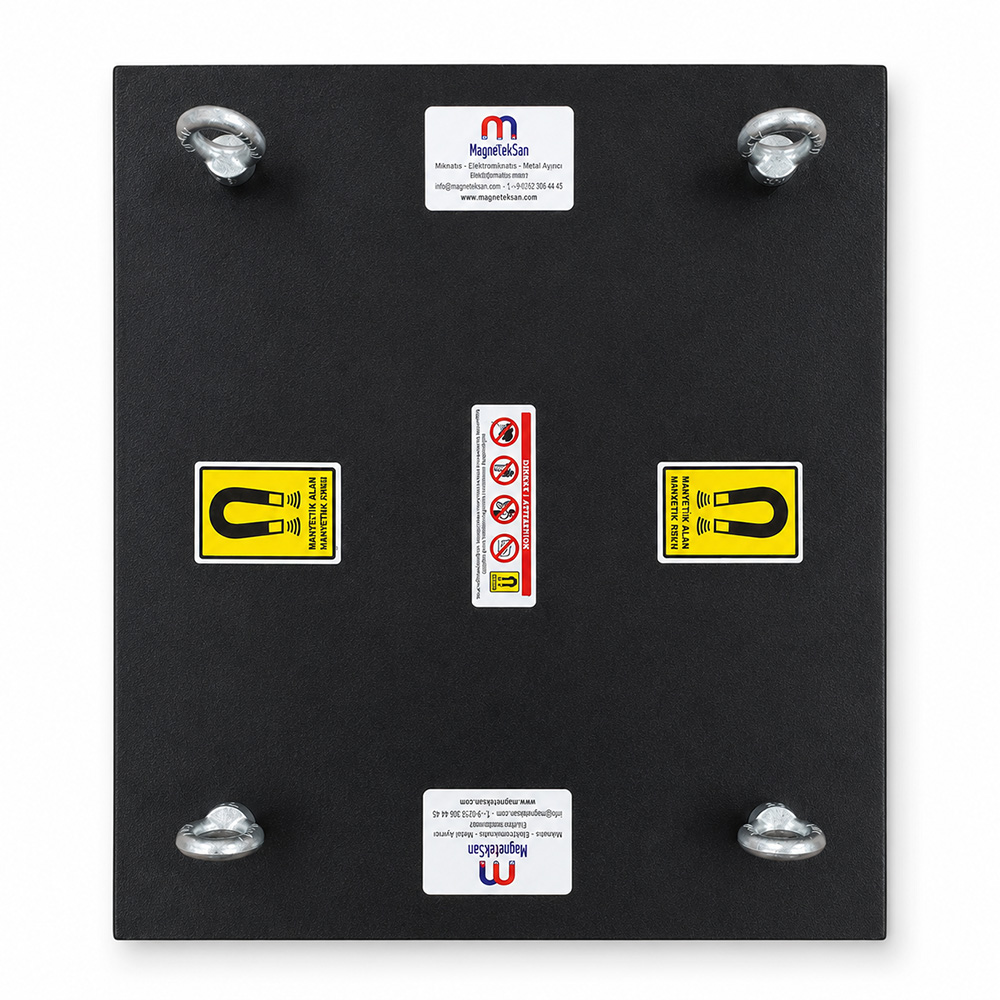
| Dimensions | 600x500x200 mm |
| Magnetic System | Permanent Ferrite |
| Installation | Suspended Above Conveyor Belt |
| Cleaning | Manual |
| Target Material | Ferrous / Ferromagnetic Metal |
| Example Metal Contaminants | Nails, Screws, Staples, Iron / Steel Parts |
| Electrical Power Required | No |
Extra Information
What is a Pallet Recycling Plate Magnet?
A Pallet Recycling Plate Magnet is a permanent magnetic separator designed to be suspended above a conveyor carrying shredded or broken pallet material.
Wooden pallets commonly contain nails, screws, staples and steel fasteners. Once the pallet has been shredded, these components can become separated from the timber and enter the material stream. The plate magnet helps remove suitable ferrous contaminants before they reach subsequent processing equipment.
Where is the Plate Magnet Used in a Pallet Recycling Line?
One of the most suitable installation points is above the conveyor after the pallet shredder or crusher.
A typical process is:
Waste Wooden Pallets
↓
Shredder / Crusher
↓
Wood Chips + Released Metal Parts
↓
Conveyor Belt
↓
600x500x200 mm Ferrite Suspended Plate Magnet
↓
Ferrous Metal Separation
↓
Processed Wood → Next Production Stage
This arrangement allows suitable ferrous components to be separated after they have been mechanically released from the pallet structure.
Why is the Magnet Normally Installed After the Shredder?
Nails and other fasteners inside an intact wooden pallet may still be mechanically embedded in the timber.
A suspended plate magnet is not designed to mechanically pull embedded nails out of intact pallets.
After shredding or crushing, nails, screws, staples and other steel components are more likely to be released from the wood. Once free in the material stream, they can be exposed more effectively to the magnetic field.
For this reason, post-shredder installation is generally more suitable for this application.
Which Metal Contaminants Can the Plate Magnet Capture?
Suitable ferromagnetic contaminants may include:
- nails
- screws
- staples
- nuts
- washers
- iron wire
- small steel fasteners
- iron fragments
- steel fragments
Actual separation performance depends on the magnetic properties, size, shape and weight of the metal part, as well as its distance from the magnetic surface.
Does the Magnet Attract the Wood?
No.
Wood is not ferromagnetic. The purpose of the plate magnet is to attract suitable iron and steel contamination while allowing wood chips and shredded pallet material to continue along the conveyor.
This makes magnetic separation particularly useful where ferrous contamination is mixed with a non-magnetic bulk material such as wood.
What Type of Magnet is Used?
This model uses a permanent ferrite magnetic system.
Ferrite permanent magnets produce a continuous magnetic field without requiring electrical power.
Therefore, the magnetic separator does not require:
- electrical power for magnetisation
- a magnet power supply
- an electromagnetic coil supply
- continuous electrical control to maintain its magnetic field
Does the Plate Magnet Require Electricity?
No.
The product operates using permanent ferrite magnets and therefore does not require electrical power to generate its magnetic field.
A power failure does not switch off the permanent magnetic field.
Why is the Plate Magnet Suspended Above the Conveyor?
Suspended installation positions the active magnetic surface above the moving material stream.
As shredded wood passes underneath, suitable ferrous contaminants entering the magnetic field are attracted towards the underside of the magnetic plate.
This arrangement enables magnetic separation without the plate magnet having to make direct contact with the conveyor belt.
Does the Magnet Touch the Conveyor Belt?
Under normal suspended installation, no.
The plate magnet is positioned above the product flow rather than directly against the belt.
The correct installation height should be determined according to the conveyor arrangement, material depth and required separation performance.
Why is Installation Distance Important?
Magnetic attraction decreases as the distance between the magnet and the ferrous contaminant increases.
The installation height should therefore be evaluated according to:
- product layer depth
- conveyor configuration
- size of the target metal contaminants
- material flow characteristics
- installation geometry
There is no single universal capture distance that should be assumed for every installation.
Does Conveyor Belt Width Matter?
Yes.
The dimensions and orientation of the magnetic plate should be considered in relation to the conveyor width and the active material flow.
The 600×500 mm footprint of this model should therefore be evaluated against the actual conveyor and the area through which the processed material passes.
What Do the 600x500x200 mm Dimensions Mean?
These values represent the overall dimensions of the product:
Length: 600 mm
Width: 500 mm
Height: 200 mm
The available installation space above the conveyor should be checked before installation.
How Does the Plate Magnet Work?
The operating principle is straightforward:
- Shredded pallet material travels along the conveyor.
- The material enters the magnetic field beneath the suspended plate.
- Suitable ferromagnetic particles respond to the magnetic field.
- Nails, screws and similar steel components are attracted towards the magnetic surface.
- Non-magnetic wood material continues along the conveyor.
- Captured metal is periodically removed from the magnetic surface.
How is the Magnet Cleaned?
This model has a manual-cleaning design.
During operation, captured nails, screws and other ferrous components accumulate on the active magnetic surface.
At appropriate intervals, the production system should be safely stopped and the accumulated metal removed manually.
Suitable personal protective equipment should be used because the collected contaminants may include sharp nails, screws and metal fragments.
Is it a Self-Cleaning Magnetic Separator?
No.
This product should be considered a standard manual-cleaning suspended plate magnet.
Where ferrous contamination levels are very high or frequent manual cleaning would be impractical, a self-cleaning or continuously discharging magnetic separator may be more appropriate.
How Often Should the Magnetic Surface be Cleaned?
There is no universal cleaning interval.
Cleaning frequency depends on factors such as:
- amount of ferrous contamination
- material throughput
- operating hours
- conveyor speed
- process conditions
- size of the captured metal parts
The magnetic surface should be inspected regularly and cleaned before excessive metal accumulation reduces effective separation performance.
Why Should Captured Metal Not be Allowed to Accumulate Excessively?
A large accumulation of metal on the magnetic surface can increase the effective distance between the magnet and newly arriving contaminants.
It can also occupy active magnetic surface area.
For this reason, cleaning intervals should be established according to the actual metal load of the recycling line.
Can it Capture Large Metal Parts?
Possibly, but performance depends on several variables.
These include:
- size of the metal part
- weight
- shape
- ferromagnetic properties
- orientation
- distance from the magnet
- conveyor speed
- surrounding material depth
A specific maximum metal-part weight should not be claimed without testing under the actual operating conditions.
Can it Separate Aluminium?
No, not by conventional magnetic attraction.
Aluminium is not ferromagnetic and is therefore not the intended target material for this ferrite plate magnet.
The product is primarily intended to separate suitable iron and steel contamination.
Can it Separate Copper or Brass?
Normally, no.
Copper and brass are not ferromagnetic under normal conditions and require other metal-separation technologies where their removal is required.
Can it Separate Stainless Steel?
It depends on the stainless-steel grade and its metallurgical condition.
Some stainless steels can exhibit magnetic properties, while others have very weak magnetic response.
Therefore, it should not be assumed that all stainless-steel contaminants will be captured. Where stainless contamination is important, the actual contaminant should be tested.
Can it be Used for Applications Other Than Pallet Recycling?
Potentially, yes.
Under suitable process conditions, suspended ferrite plate magnets can also be considered for applications involving:
- wood recycling
- wood shredding
- wood chipping
- sawdust handling
- timber fragment conveying
- similar dry bulk material processes
However, the primary application of this specific product is pallet recycling.
Why is Nail Separation Important in Pallet Recycling?
Ferrous metal remaining in recycled wood can be carried into downstream processing equipment.
Depending on the recycling process, this may include:
- secondary crushers
- mills
- grinders
- screens
- conveyors
- other processing machinery
Removing suitable ferrous contamination helps reduce the amount of unwanted metal entering subsequent processing stages and can contribute to protecting downstream equipment.
Can the Plate Magnet be Installed Before the Pallet Shredder?
Technically, the magnet can attract free ferromagnetic objects that are sufficiently exposed to its magnetic field.
However, nails and fasteners that are still mechanically embedded inside an intact wooden pallet are different. The plate magnet is not designed to pull embedded fasteners mechanically out of solid timber.
For this reason, the post-shredder conveyor is generally the more appropriate primary installation point.
Does Conveyor Speed Affect Separation Performance?
Yes.
The time a metal contaminant spends within the effective magnetic field can influence separation performance.
Conveyor speed should therefore be considered together with:
- magnet installation height
- product layer depth
- contaminant size
- contaminant weight
- material distribution across the belt
For demanding applications, the actual process conditions should be evaluated rather than relying on the magnet dimensions alone.
Does the Depth of Wood on the Belt Matter?
Yes.
A metal contaminant travelling close to the magnetic plate is generally exposed to a stronger magnetic field than one buried deeper within a thick layer of wood.
Material bed depth and distribution should therefore be considered when determining the installation height and magnetic separator arrangement.
What are the Main Advantages of a Ferrite Suspended Plate Magnet?
Key characteristics include:
- no electrical power required for magnetic operation
- permanent magnetic field
- no electromagnetic coil
- suspended installation above the conveyor
- no direct contact required with the conveyor belt
- separation of suitable ferrous contamination
- simple manual-cleaning principle
- suitability for pallet and wood recycling applications
What Maintenance is Required?
Periodic inspection should include:
- magnetic surface
- suspension points
- mounting hardware
- product body
- accumulated ferrous contamination
- mechanical condition of the installation
Excessive metal accumulation should not be allowed to remain on the active magnetic surface.
What Safety Precautions Should be Considered?
The permanent magnetic field can strongly attract suitable ferromagnetic tools and metal parts.
During installation, inspection and cleaning, care should be taken to avoid trapping hands or fingers between the magnetic surface and large ferrous objects.
Site-specific safety procedures should also be followed for personnel using medical devices that may be affected by strong magnetic fields.
Can Custom Suspended Plate Magnets be Manufactured?
Yes.
Suspended magnetic plate solutions can be designed in different dimensions according to application requirements such as:
- conveyor width
- product flow depth
- installation distance
- expected ferrous metal load
- available installation space
- plant geometry
- process conditions
The final magnetic separator configuration should be selected according to the actual recycling line and target contamination.