Product Information
Extra Information
Product Information
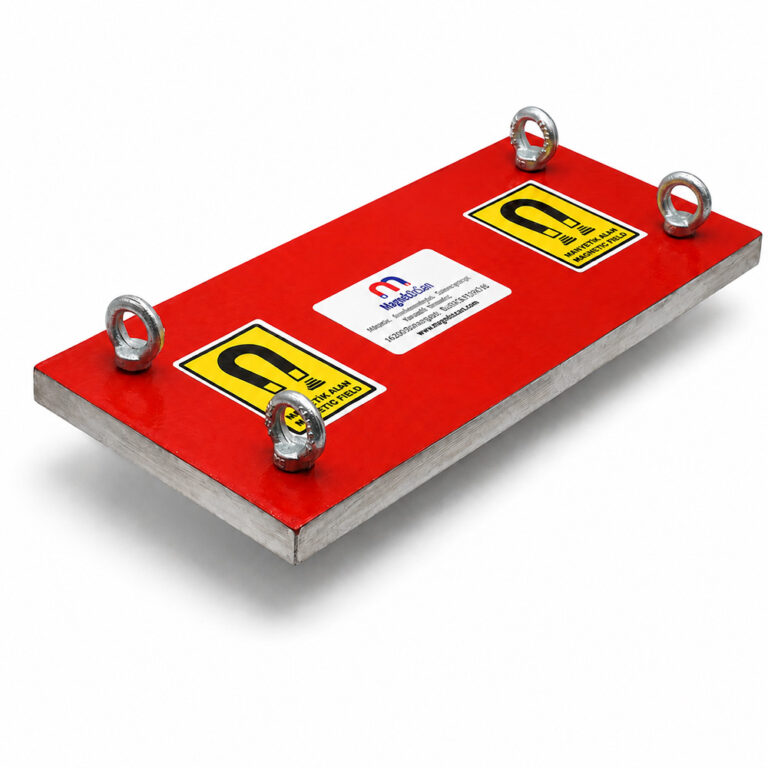
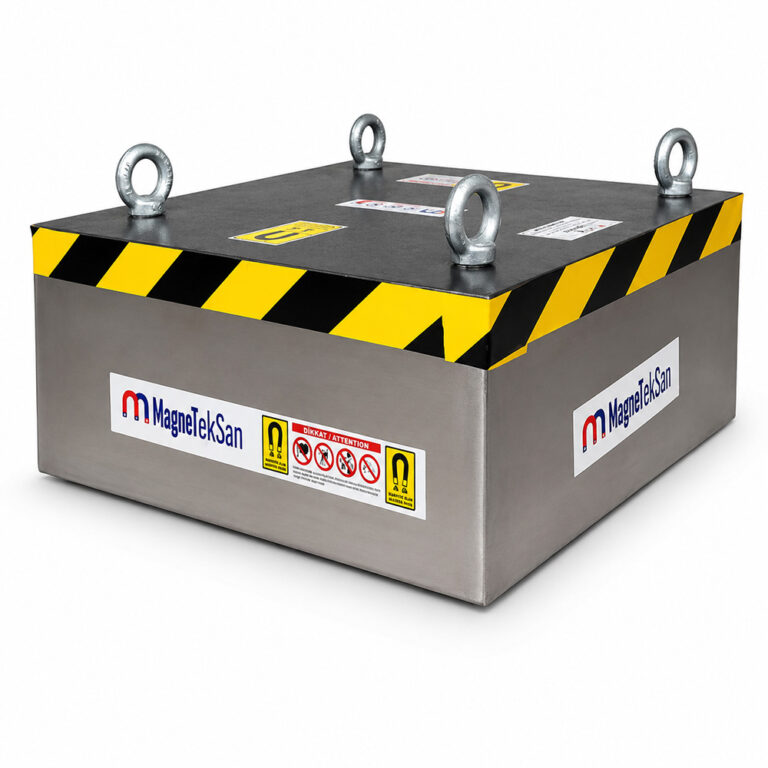
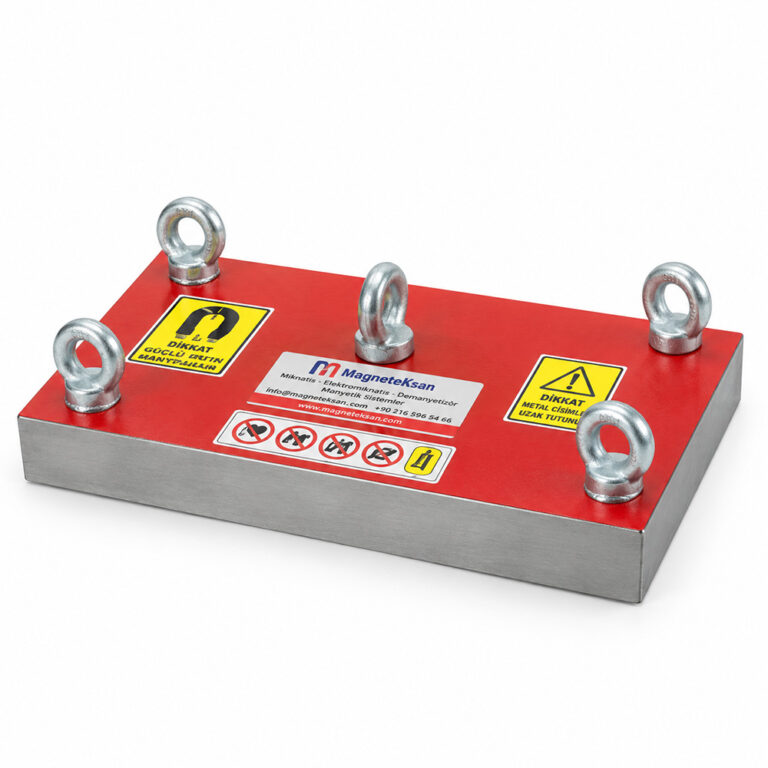
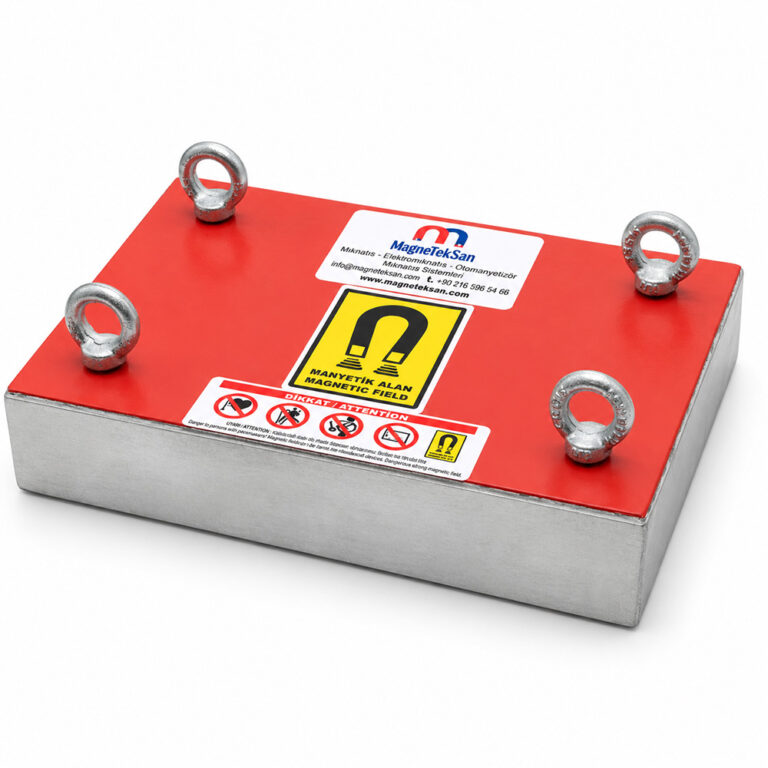
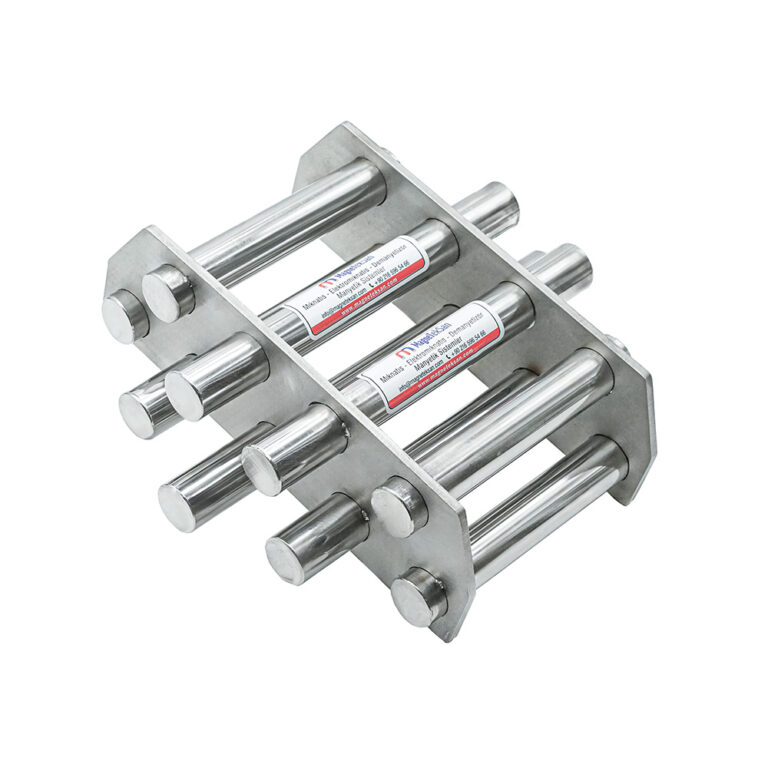
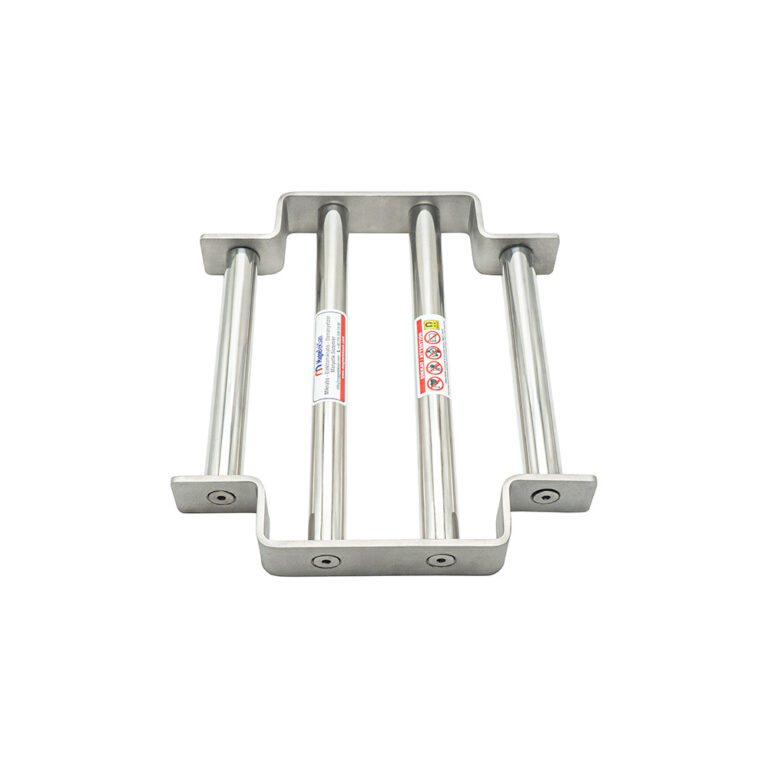
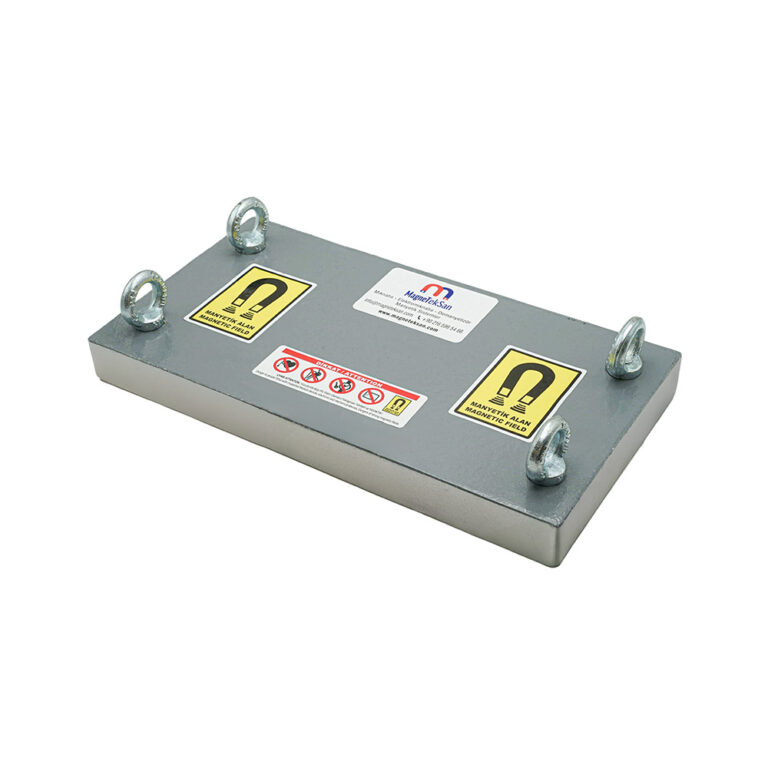
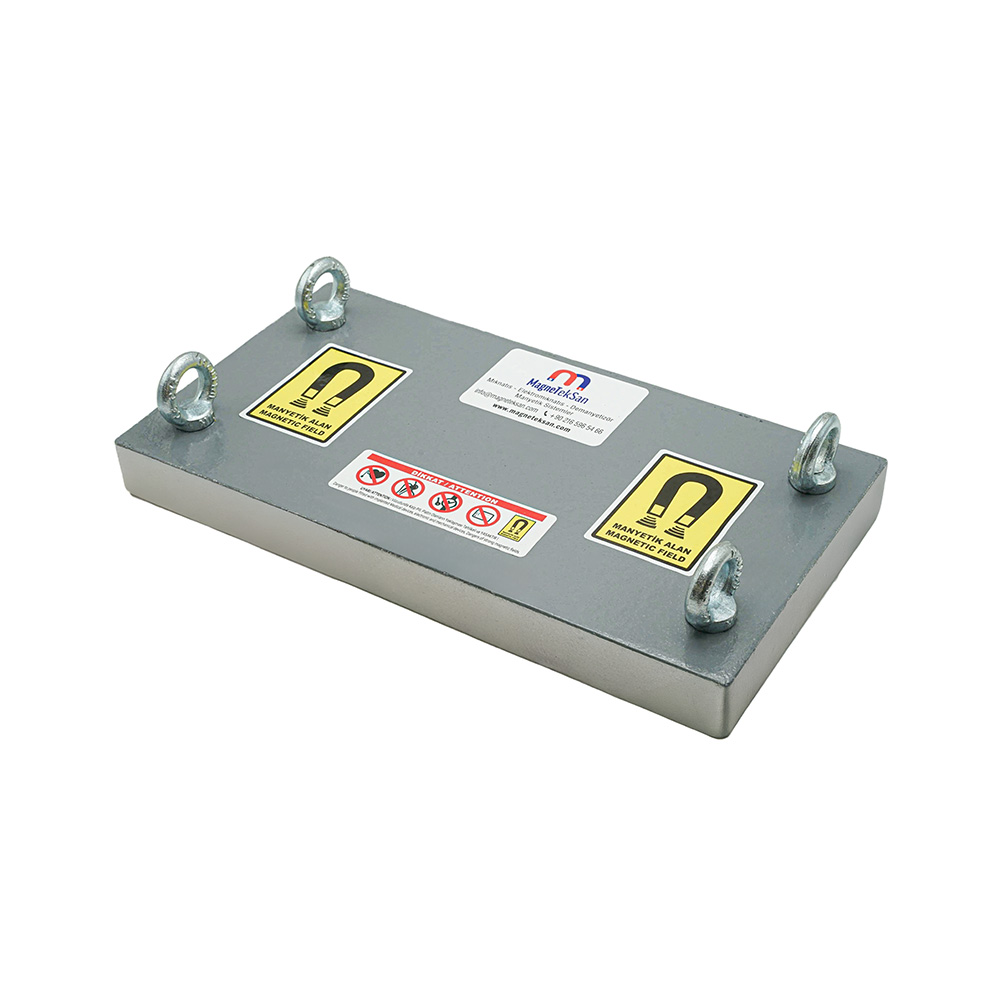
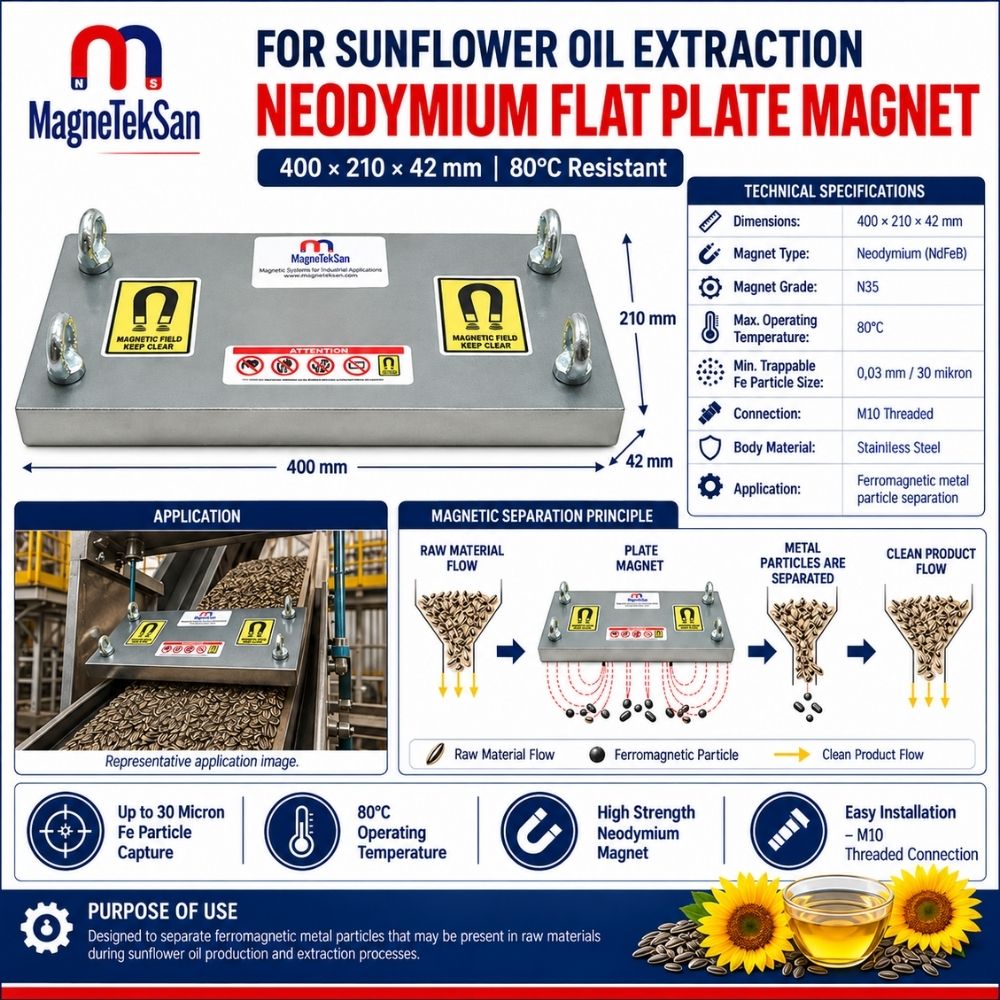
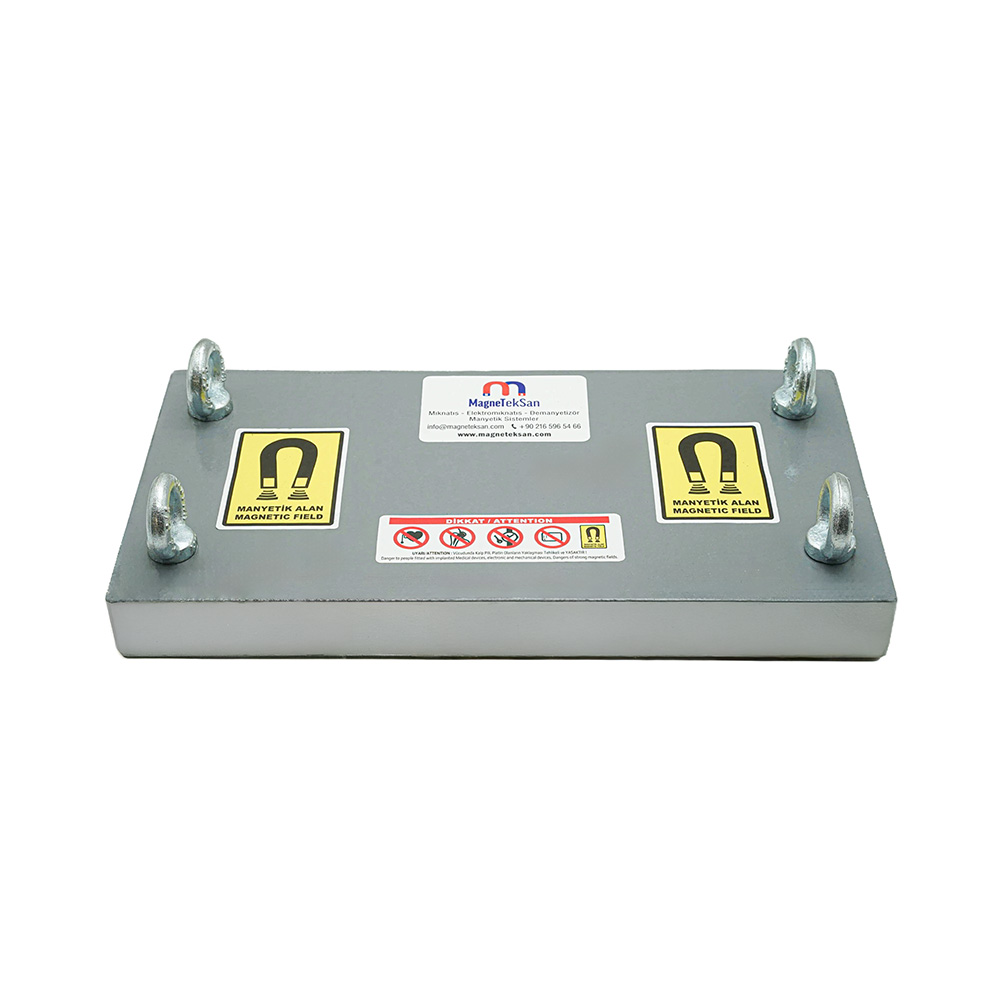
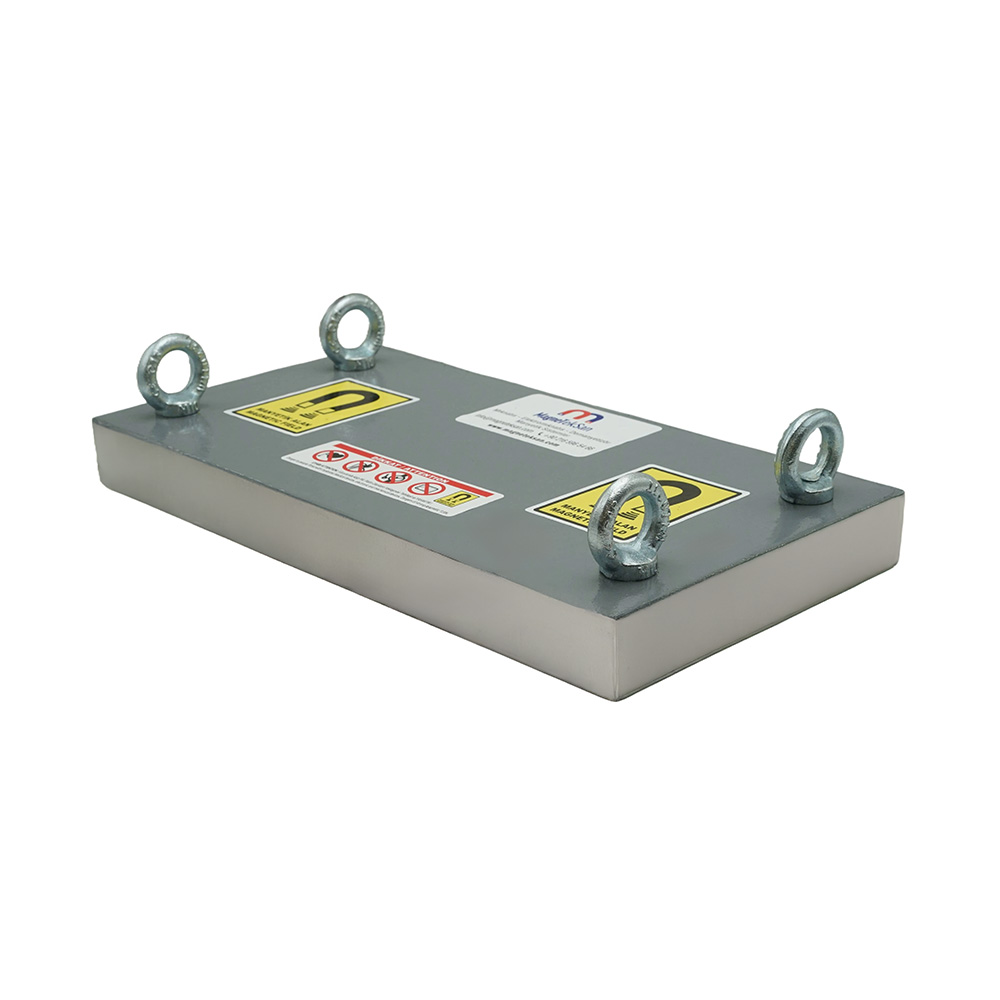
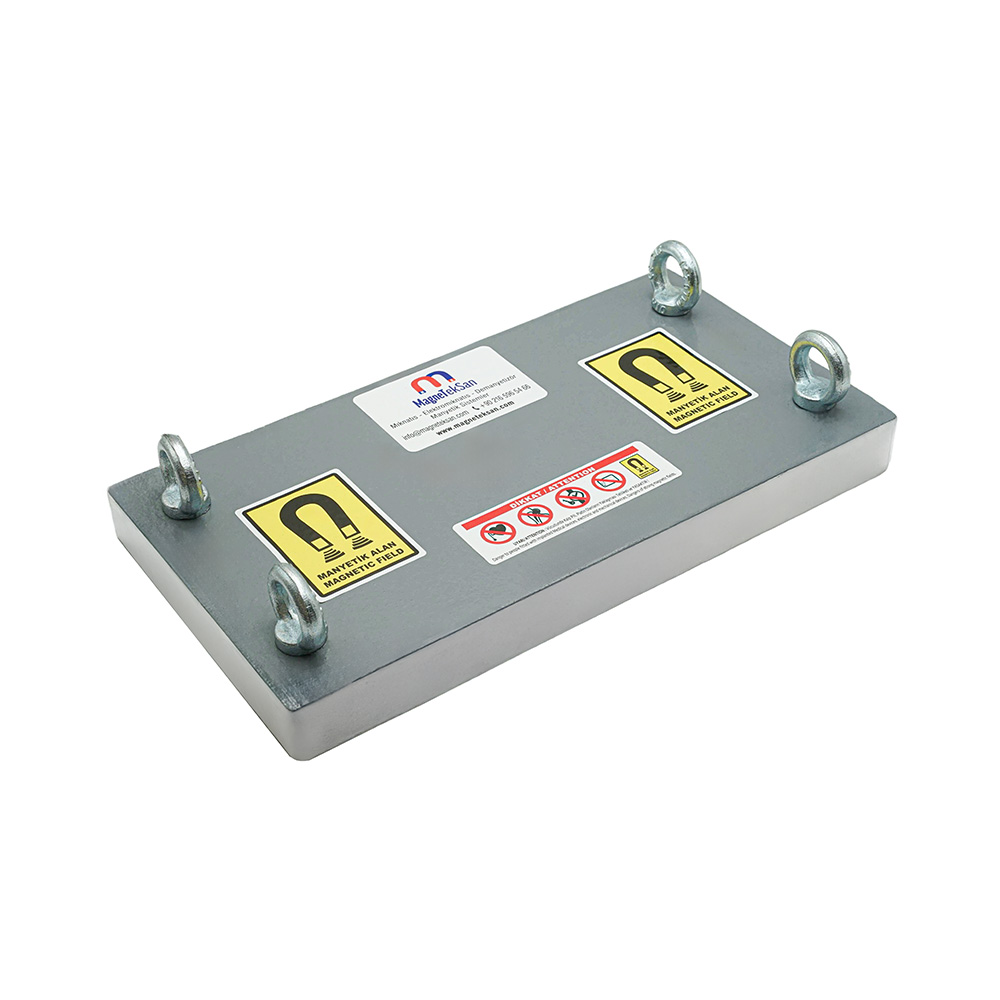
The 400x210x42 mm N35 Neodymium Plate Magnet is designed to help capture ferromagnetic metal contaminants at suitable sunflower seed handling and raw material transfer points before oil extraction. Its permanent magnetic system, four M10 mounting points and stainless steel surface options support integration into appropriately designed conveyors, chutes and preparation equipment. Separation performance depends on product flow, material depth, working distance and installation conditions.
| Technical Specification | Description |
|---|---|
| Product Type | Neodymium plate magnetic separator |
| Application | Sunflower oil production and pre-extraction processing |
| Plate Dimensions | 400x210x42 mm |
| Length | 400 mm |
| Width | 210 mm |
| Thickness | 42 mm |
| Magnetic Material | Neodymium (NdFeB) |
| Magnet Grade | N35 |
| Mounting Connection | Four M10 mounting points |
| Maximum Operating Temperature | 80 °C |
| Stated Minimum Fe Particle Size | 0.03 mm / 30 µm |
| Housing / Surface Material | AISI 304 or AISI 316L stainless steel options |
| Cleaning Method | Manual |
| Dimensional Tolerance | ±3 mm |
| Electrical Power | Not required |
| Model | MGK-PL-211 |
Extra Information
1. Neodymium Plate Magnet for Sunflower Oil Production
The 400x210x42 mm Neodymium Plate Magnet is designed to support ferromagnetic metal contamination control at suitable stages of sunflower oil production.
Sunflower oil manufacturing involves several mechanical processes before the actual extraction of oil. These include seed reception, storage, conveying, cleaning, preparation and crushing.
During these operations, ferromagnetic particles may enter the raw material through equipment wear, maintenance activities or foreign materials accompanying incoming sunflower seeds.
The plate magnet can be installed at a suitable material transfer point to help attract and retain these contaminants before they proceed further into the production process.
2. Magnetic Separation in Sunflower Oil Extraction
Magnetic separation is an important consideration in sunflower oil extraction facilities because raw materials frequently pass through mechanical handling equipment.
Conveyors, bucket elevators, screw feeders, crushers and transfer chutes may introduce or transport ferromagnetic contaminants.
A neodymium plate magnet provides a permanent magnetic field that can capture suitable iron-based particles passing through its effective magnetic zone.
The equipment is intended primarily for appropriate solid raw material handling applications before extraction, rather than direct installation inside a liquid sunflower oil pipeline.
3. Ferromagnetic Contamination Control
Ferromagnetic contamination includes particles made from iron, carbon steel and certain other magnetic materials.
These particles may originate from damaged machine components, worn conveyor parts, loose fasteners or metal fragments introduced with incoming raw materials.
When suitable ferromagnetic particles pass close enough to the plate’s magnetic working surface, they may be attracted and retained.
Actual capture efficiency depends on particle size, magnetic properties, product flow velocity, working distance and the thickness of the material layer.
4. 400x210x42 mm Plate Construction
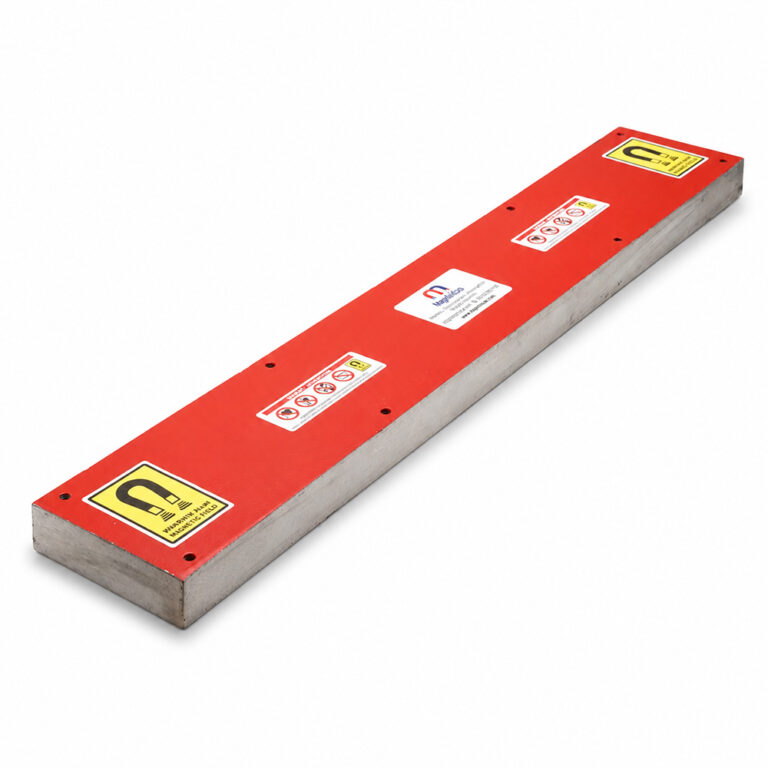
The magnetic plate measures 400 mm in length, 210 mm in width and 42 mm in thickness.
Its rectangular design provides a relatively broad working surface for installation at selected sunflower seed transfer points.
The neodymium magnetic system is housed within the plate structure to generate the magnetic field required for separation.
The plate dimensions alone do not determine whether the entire material flow will receive adequate magnetic exposure. Channel width, product depth and mounting position must also be evaluated.
5. N35 Neodymium Magnetic System
The magnetic system uses N35-grade neodymium magnets from the NdFeB material family.
Neodymium magnets are widely used in industrial magnetic separation equipment because they can provide strong magnetic performance within relatively compact dimensions.
The N35 designation identifies the grade of magnetic material, but it does not independently establish the measured magnetic flux density at the finished plate surface.
Magnetic performance should therefore be evaluated according to the complete separator design and actual operating conditions.
6. Permanent Magnetic Separation Without Electricity
The plate uses permanent neodymium magnets and does not require continuous electrical power to generate its magnetic field.
This allows magnetic separation to operate without an external power connection to the plate itself.
The magnetic field remains present during operation and while the unit is removed or accessed for cleaning.
Appropriate handling procedures should be followed because ferromagnetic objects may be attracted to the plate even when the production equipment is stopped.
7. Four M10 Mounting Points
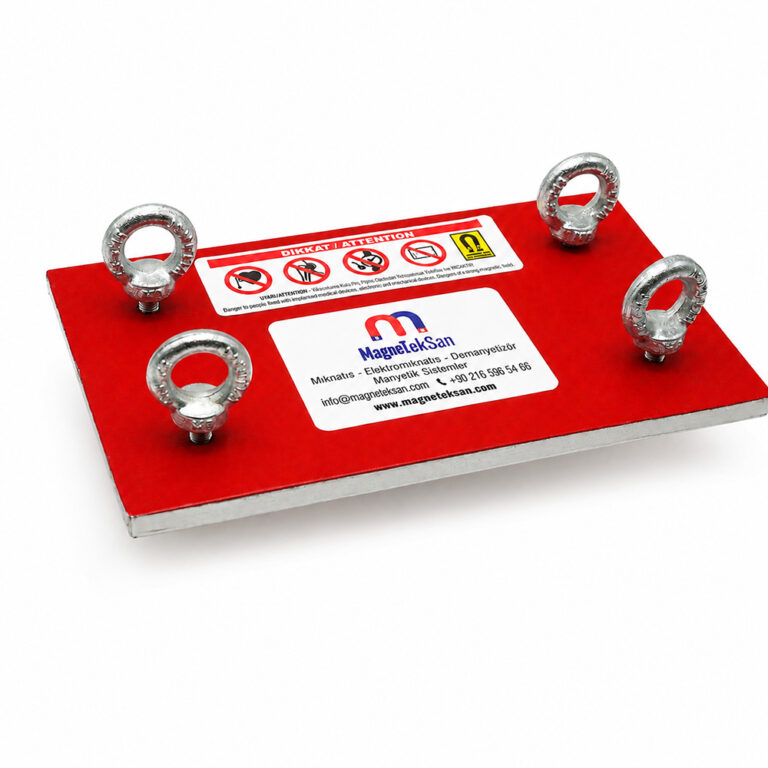
The plate is designed with four M10 mounting points located at its corners.
These connections allow the separator to be secured to an appropriate machine structure, support frame or custom-designed mounting assembly.
The mounting system should account for vibration, mechanical stability, accessibility and the required distance between the magnetic surface and the product flow.
Mounting components must be selected according to the actual installation arrangement and mechanical loading conditions.
8. Stainless Steel Surface Options
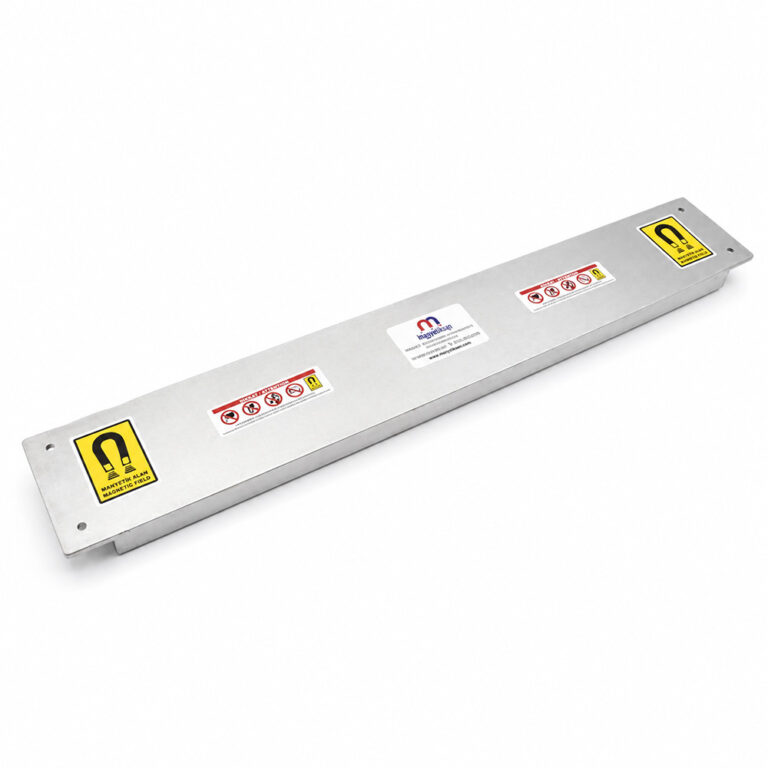
The product is available with AISI 304 or AISI 316L stainless steel surface options.
AISI 304 is commonly used in industrial and food-processing equipment, particularly in many general-purpose applications.
AISI 316L may be considered where environmental conditions, cleaning chemicals or corrosion requirements justify its selection.
The final material specification should be determined according to process conditions and applicable food-contact requirements. Stainless steel construction alone does not establish certification of the complete assembly.
9. Manual Cleaning of the Magnetic Plate
The magnetic plate is designed for manual cleaning.
During operation, captured ferromagnetic particles accumulate on the magnetic working surface.
These particles should be removed at suitable intervals to prevent excessive buildup and maintain the intended separation function.
Cleaning frequency should be determined according to contamination levels, production throughput and the accessibility of the installation point.
10. Maximum Operating Temperature of 80 °C
The maximum stated operating temperature for this model is 80 °C.
Temperature is important because neodymium magnetic materials can lose magnetic performance when exposed to conditions exceeding their specified operating limits.
Both the material temperature and the actual temperature at the magnet installation point should be considered.
Applications operating above 80 °C require assessment of alternative magnetic systems designed for higher-temperature conditions.
11. Stated Minimum Fe Particle Size of 30 Microns
The product specification states a minimum capturable ferromagnetic particle size of 0.03 mm, equivalent to 30 microns.
This value relates to suitable ferromagnetic particles under appropriate operating conditions.
It should not be interpreted as a guarantee that every 30-micron iron particle will be captured regardless of installation or process conditions.
Particle geometry, magnetic response, flow velocity, product layer thickness and distance from the magnetic surface all influence the actual result.
12. Magnetic Separation at Sunflower Seed Reception
Sunflower seeds may arrive at an oil extraction facility containing various foreign materials.
During reception and unloading, raw materials pass through receiving hoppers, conveyors and storage transfer systems.
A plate magnet may be considered at an appropriate transfer location to help retain ferromagnetic contaminants before they enter downstream processing equipment.
The installation must allow sufficient exposure of the moving seed layer to the magnetic working surface.
13. Applications in Sunflower Seed Conveying Systems
Conveyor systems are commonly used to move sunflower seeds between storage, cleaning and preparation stages.
A neodymium plate magnet may be installed above a suitable conveyor section or near a product discharge point, depending on the equipment configuration.
The magnetic working distance is a critical factor because magnetic attraction generally decreases as the separation between the contaminant and the plate increases.
Conveyor width, belt speed, material depth and available mounting clearance should be reviewed before installation.
14. Magnetic Control at Product Transfer Chutes
Transfer chutes direct sunflower seeds and other suitable solid materials between machines.
These locations may provide opportunities for magnetic separation when the product passes close to an accessible surface.
A plate magnet can be integrated into a suitable chute arrangement to help capture iron-based foreign particles.
The chute design must maintain reliable material flow while preventing excessive buildup and allowing safe access for cleaning.
15. Protection Before Seed Crushing Equipment
Sunflower oil production may involve crushing or other mechanical preparation processes before extraction.
Metal fragments entering such equipment can create undesirable operating conditions and potentially damage mechanical components.
Installing a suitable magnetic separator upstream of the preparation machinery can help reduce the transfer of ferromagnetic contaminants.
The plate should be positioned where the material flow provides sufficient magnetic exposure without interfering with moving machine parts.
16. Magnetic Separation Before Oil Extraction
The pre-extraction stages of sunflower oil production can include seed cleaning, conveying, preparation and transfer.
A magnetic plate may be incorporated into an appropriate solid-material transfer point before the extraction process.
Its purpose is to help capture suitable ferromagnetic contaminants from the raw material flow.
The correct location depends on the plant layout, the form of the processed material and the mechanical design of the transfer equipment.
17. Difference Between a Plate Magnet and a Magnetic Filter
A plate magnet and an inline magnetic filter are designed for different process configurations.
A plate magnet is generally used at suitable conveyor, chute or solid-material transfer points where a magnetic working surface can interact with the product flow.
An inline magnetic filter is installed within a compatible pipeline housing and is designed for appropriate liquid or flowing product applications.
For liquid sunflower oil flowing through a closed pipeline, a properly specified magnetic filter should be considered rather than installing this plate magnet directly into the pipe.
18. Importance of Product Layer Thickness
The thickness of the sunflower seed layer affects the distance between potential ferromagnetic contaminants and the magnetic working surface.
Particles moving close to the plate experience different magnetic conditions from particles travelling through a deeper layer farther away.
An excessively thick material layer can reduce the likelihood of capturing smaller or weakly responsive ferromagnetic particles.
The installation should therefore be evaluated with respect to product depth, distribution and magnetic coverage.
19. Working Distance and Magnetic Performance
Working distance is the separation between the magnetic plate surface and the material or contaminant being processed.
This distance directly influences the magnetic force acting on ferromagnetic particles.
A plate mounted too far from the product flow may provide insufficient attraction for smaller contaminants.
The appropriate working distance should be determined according to the application, product characteristics, mounting geometry and expected contamination.
20. Conveyor Speed and Separation Efficiency
Conveyor speed affects how long ferromagnetic particles remain within the effective magnetic zone.
At higher speeds, particles may spend less time near the magnetic surface.
Separation performance should therefore be assessed together with conveyor speed, product depth, working distance and particle properties.
A suitable magnetic separator must be selected according to the actual process conditions rather than its external dimensions alone.
21. Installation Orientation and Magnetic Coverage
The orientation of the plate relative to the product flow is an important installation parameter.
The working surface should be positioned to provide effective magnetic exposure across the relevant material stream.
If the plate covers only a limited portion of a wide transfer channel, some material may pass outside its effective magnetic zone.
Where necessary, additional magnetic separation equipment or a different separator configuration should be considered.
22. Sources of Metal Contamination in Sunflower Oil Plants
Ferromagnetic metal contamination may originate from multiple stages of sunflower oil production.
Potential sources include worn conveyor components, bucket elevator mechanisms, damaged crushing equipment, steel fasteners, wire fragments and maintenance tools.
Some metal particles may also enter the facility with incoming sunflower seeds.
Identifying the likely contamination sources helps determine where magnetic separation equipment should be installed and inspected.
23. Inspection and Preventive Maintenance
Regular inspection is important for maintaining the intended performance of the magnetic plate.
The stainless steel surface, mounting points and surrounding support structure should be checked for damage, wear or loosening.
Captured metal particles should be removed according to a documented cleaning procedure.
Where magnetic performance verification is required, measurements should be conducted using an appropriate instrument and an established inspection method.
24. Dimensional Tolerance of ±3 mm
The stated dimensional tolerance for this model is ±3 mm.
This tolerance should be considered when designing mounting frames, brackets and machine clearances.
The nominal plate dimensions are 400x210x42 mm, but the permitted dimensional variation may affect the final mechanical interface.
Critical installations should be checked against the approved technical drawing and actual product dimensions before assembly.
25. Limitations of Magnetic Metal Separation
Magnetic separation primarily targets materials with sufficient ferromagnetic properties.
Iron, carbon steel and certain magnetic steel particles may be attracted under appropriate conditions.
Nonmagnetic materials such as aluminium, copper and brass cannot be reliably removed by this method. Some stainless steel grades may also respond weakly to the magnetic field.
A plate magnet should therefore be treated as one component of a broader contamination-control strategy rather than a system that guarantees complete removal of every type of metal.
26. Food Processing Hygiene and HACCP Integration
Magnetic separation can support foreign-body contamination management in sunflower oil production facilities.
The location of the separator, inspection intervals, cleaning procedures and acceptance criteria should be documented according to plant requirements.
Where appropriate, the equipment may be incorporated into a food safety management system based on HACCP principles.
Its exact role should be determined through process-specific risk assessment and validation rather than assuming that the magnet alone provides complete food safety control.
27. Custom Plate Magnet Design for Sunflower Oil Processing
Sunflower oil facilities may differ in conveyor dimensions, raw material throughput, installation clearances and operating temperatures.
For this reason, a standard 400x210x42 mm plate may not be appropriate for every application.
Alternative dimensions, mounting arrangements, stainless steel options and higher-temperature magnetic systems may be evaluated for specific projects.
A suitable design requires information about the material being processed, channel or conveyor dimensions, flow depth, throughput, working temperature and target metal contaminants.
28. Magneteksan Magnetic Solutions for Sunflower Oil Production
Magneteksan develops magnetic separation equipment for industrial material handling and processing applications.
The 400x210x42 mm N35 Neodymium Plate Magnet, model MGK-PL-211, combines a permanent magnetic system, four M10 mounting points, stainless steel surface options and manual cleaning.
The product can be considered for appropriate sunflower seed conveyors, feed points, transfer chutes and pre-extraction preparation processes.
Correct equipment selection requires assessment of the actual plant conditions. Where liquid sunflower oil must be treated inside a closed pipeline, a purpose-designed inline magnetic filter is the more appropriate equipment category.