Product Information
Extra Information
Product Information
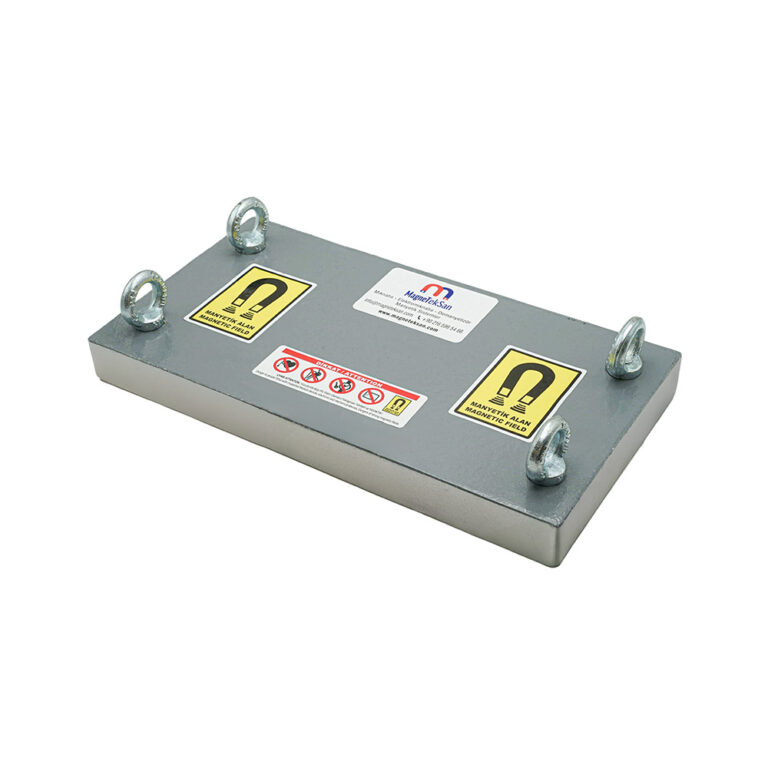
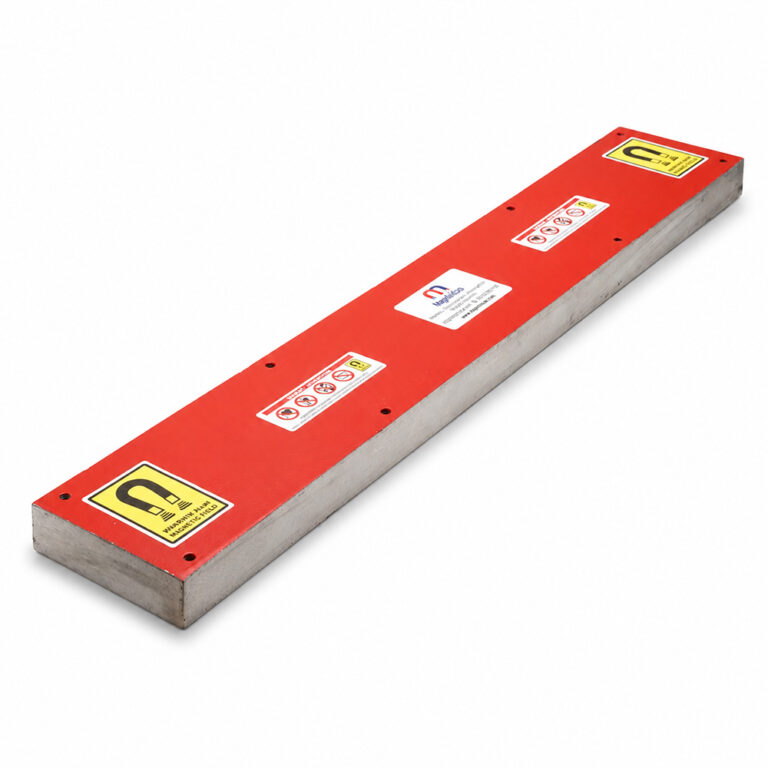
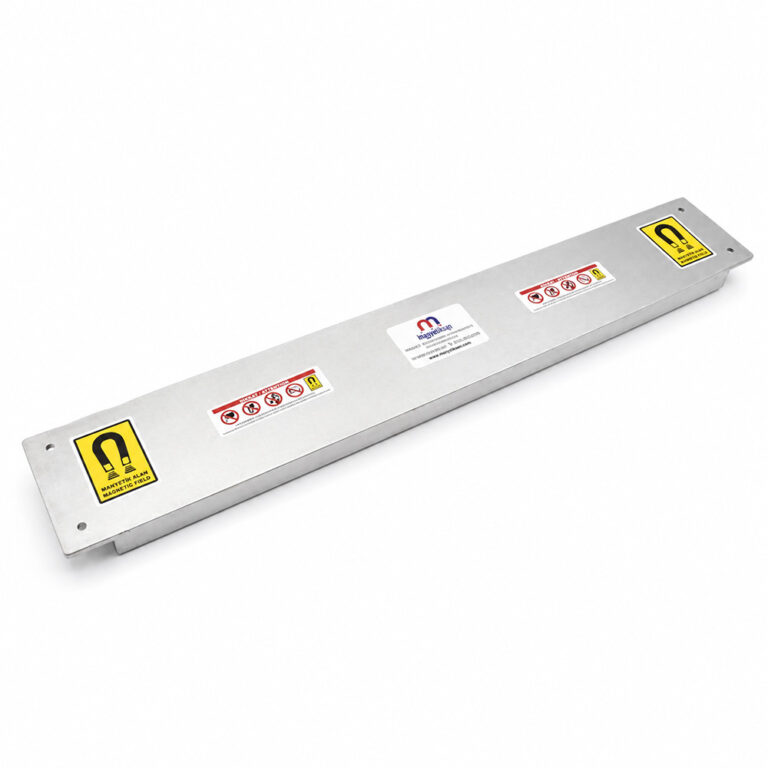
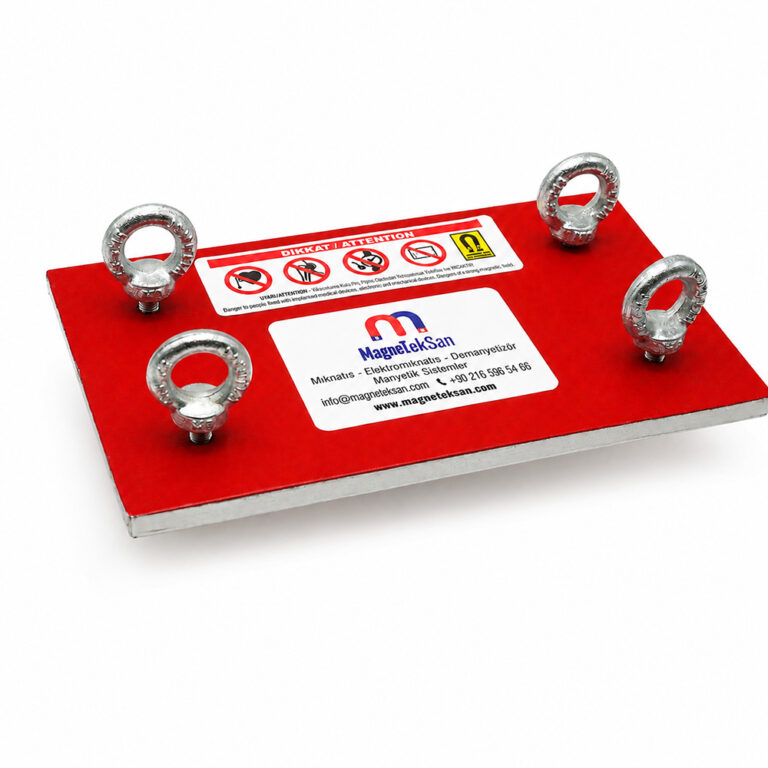
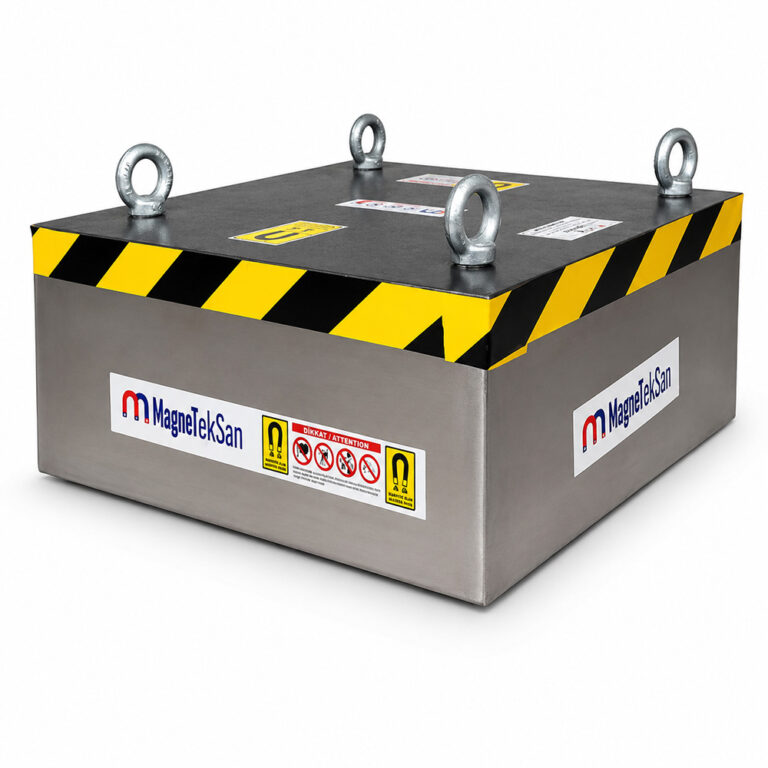
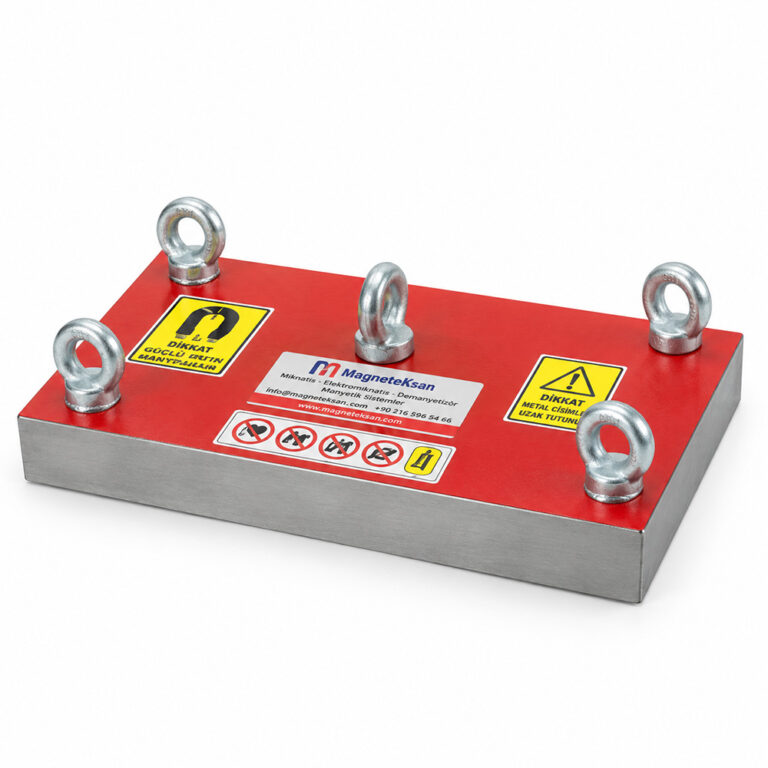
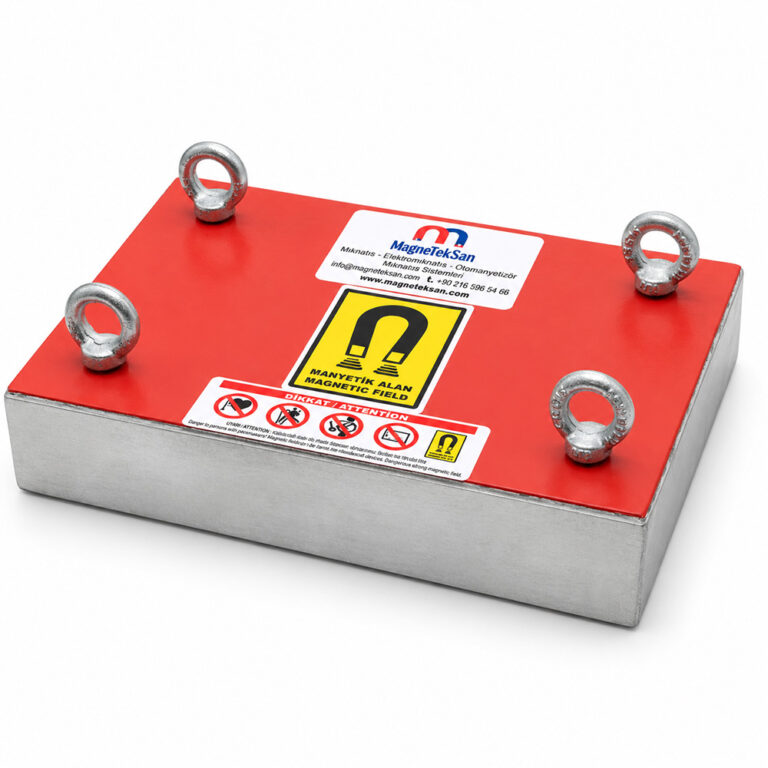
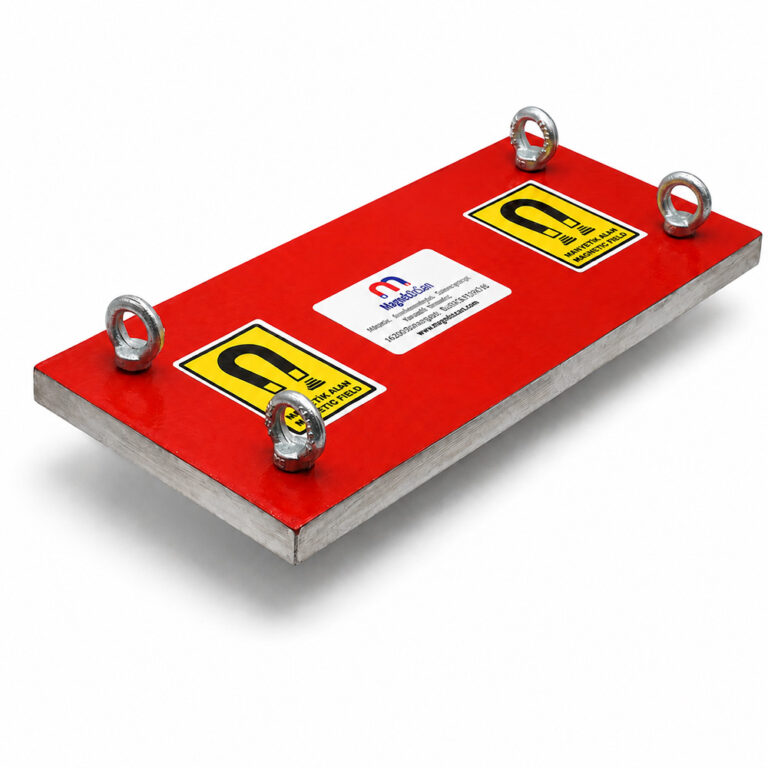
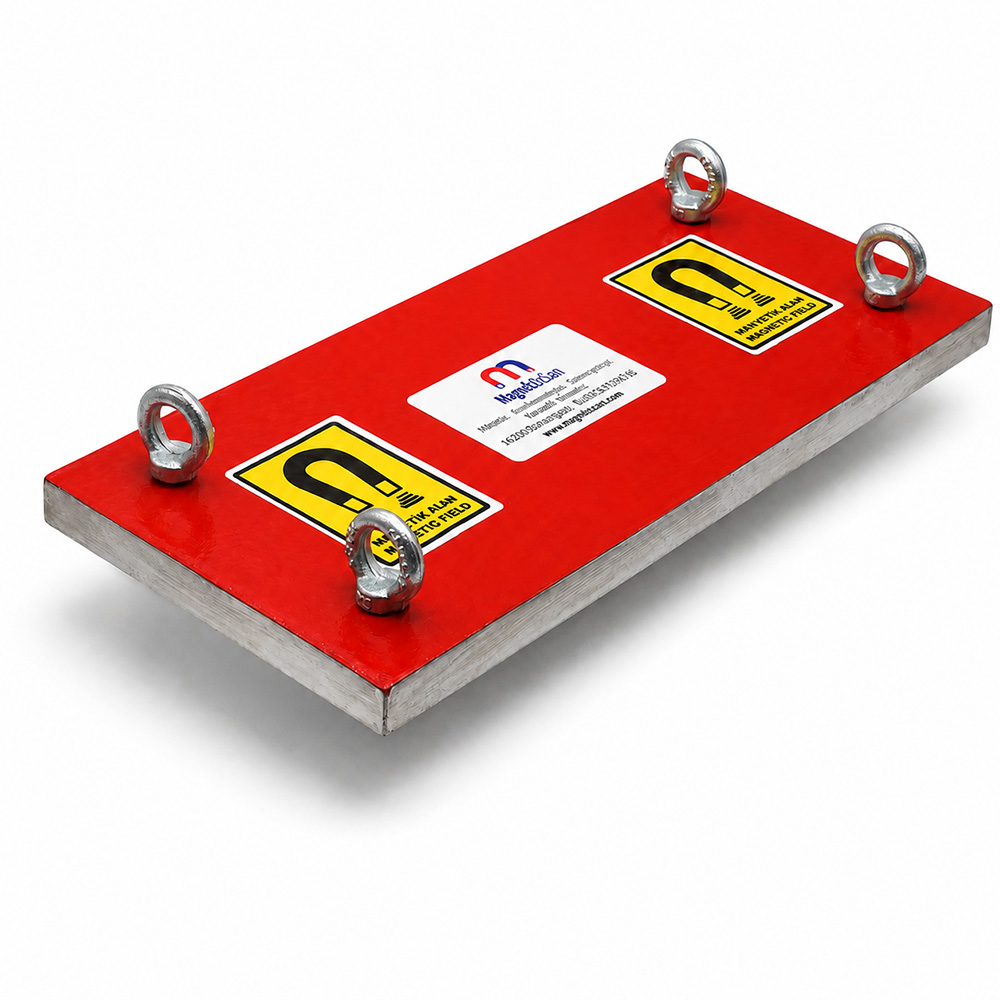
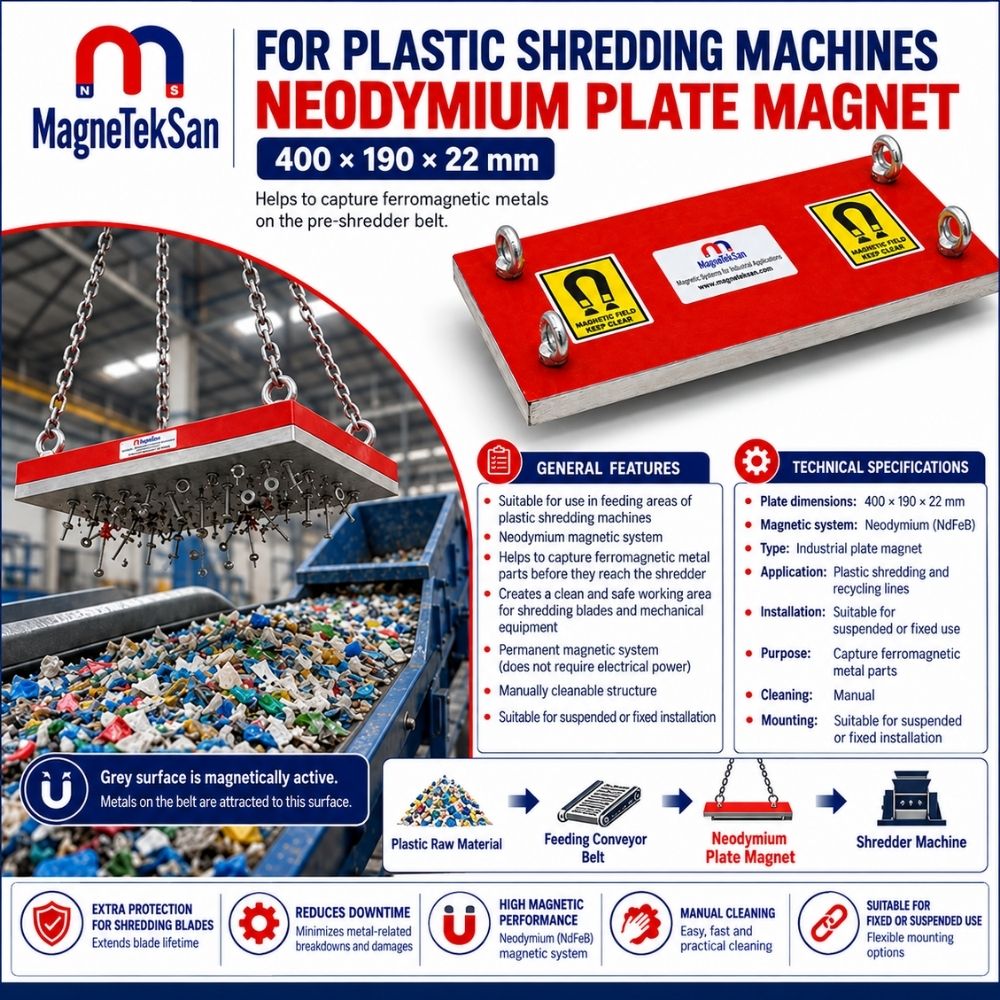
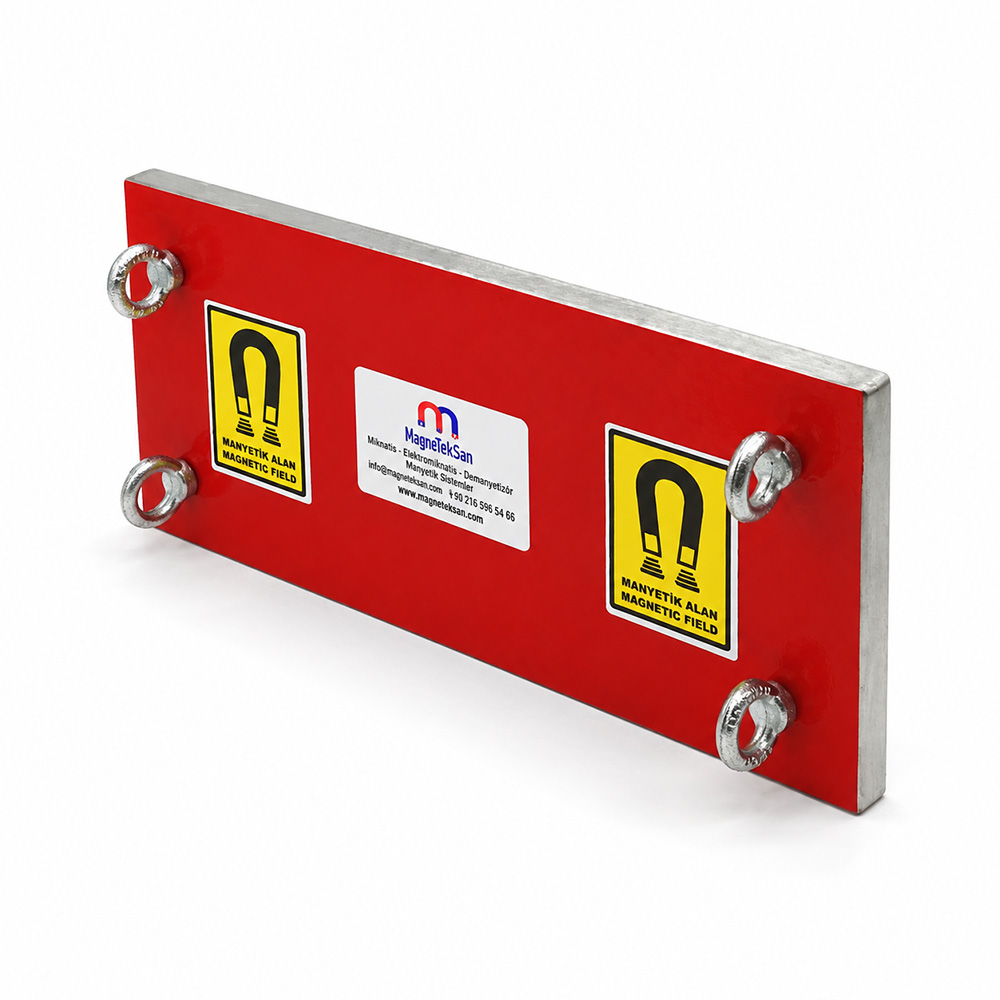
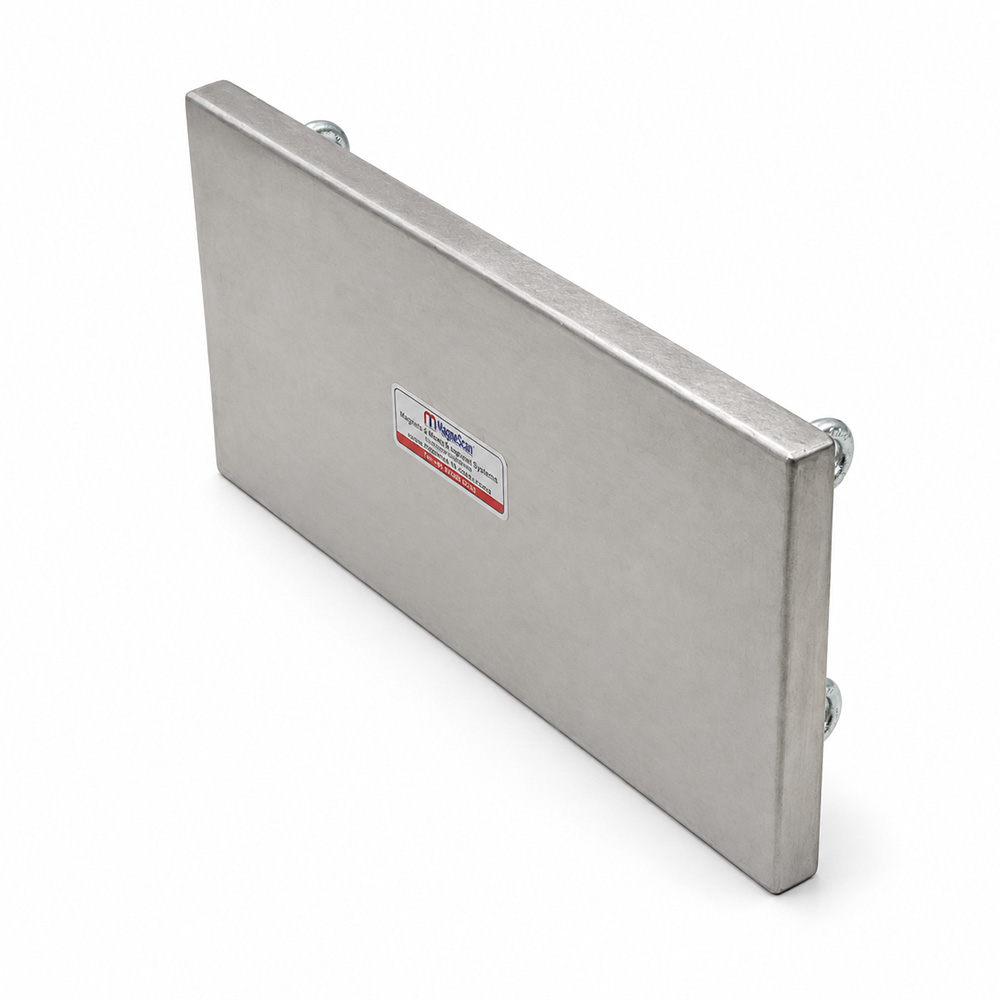
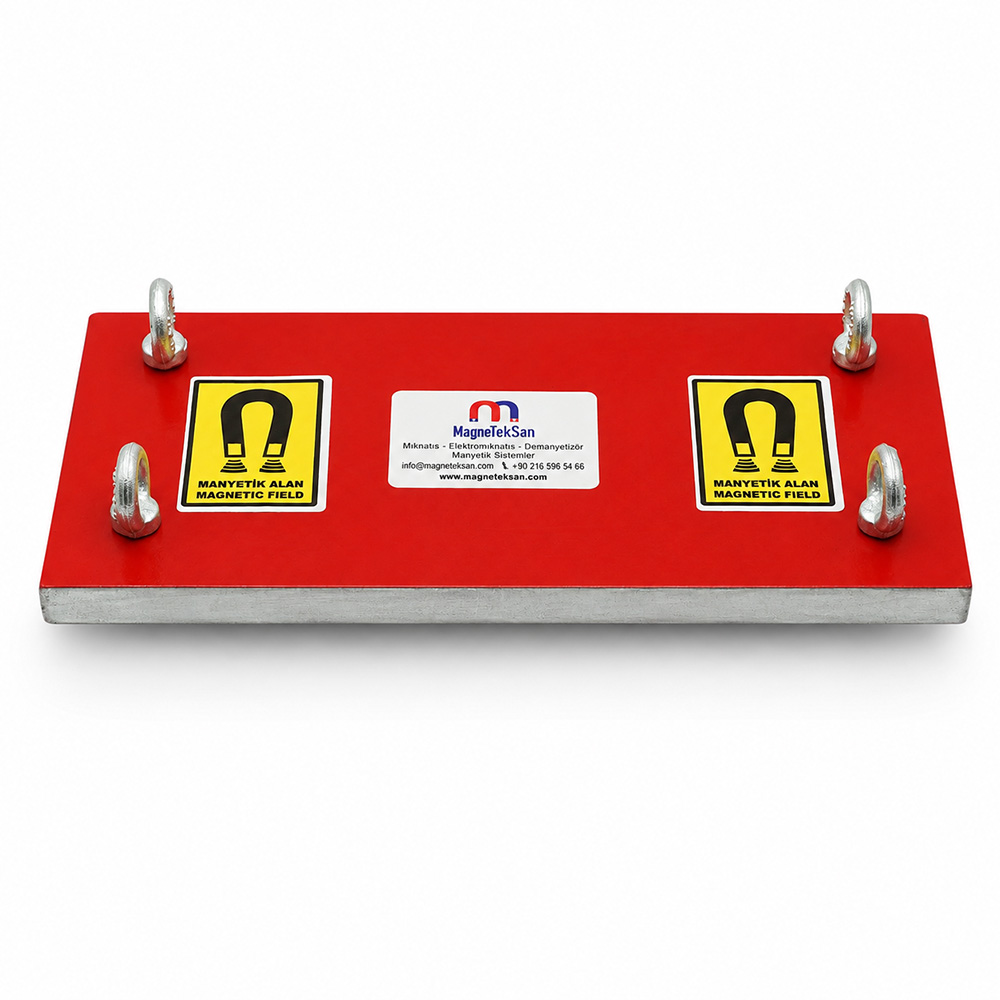
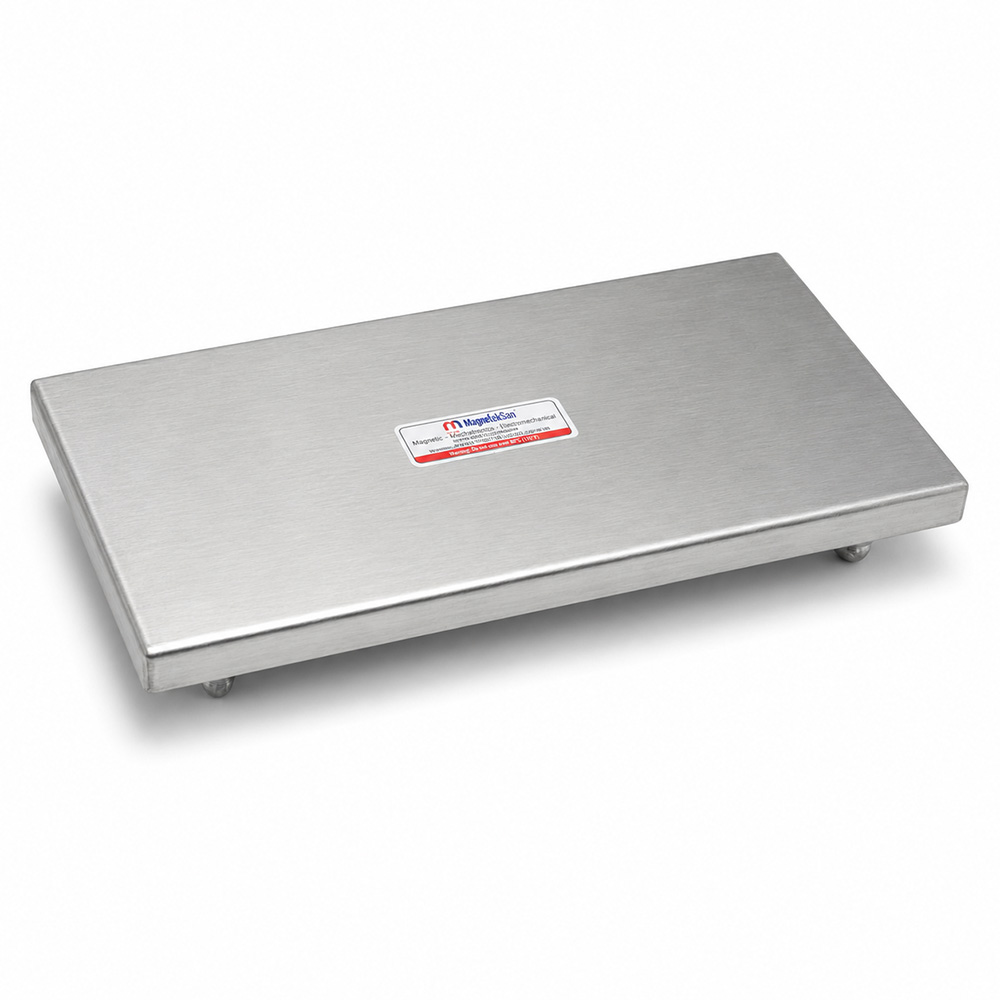
The 400x190x22 mm Neodymium Plate Magnet for Plastic Crushers is designed to help capture ferrous metal contaminants from plastic raw materials before they enter crushing and recycling machinery. Its compact NdFeB permanent magnetic system can be installed at compatible crusher feed inlets, chutes, hoppers or material transfer points to help reduce the risk of metal reaching crusher blades. The magnetic plate requires no electrical power to generate its magnetic field and supports fixed or suspended installation with manual cleaning.
| Technical Specification | Description |
|---|---|
| Product Type | Industrial neodymium plate magnet |
| Application | Plastic crushing and recycling |
| Plate Dimensions | 400x190x22 mm |
| Plate Length | 400 mm |
| Plate Width | 190 mm |
| Plate Thickness | 22 mm |
| Magnetic Material | Neodymium (NdFeB) |
| Magnetic System | Permanent magnets |
| Separation Function | Ferromagnetic metal contaminant capture |
| Installation Area | Crusher feed / raw material inlet |
| Additional Installation Points | Compatible chutes, hoppers and transfer points |
| Mounting Configuration | Fixed or suspended, depending on application |
| Cleaning Method | Manual |
| Main Protective Function | Helps reduce ferrous metal entry into crusher blades |
| Suitable Material Stream | Plastic raw materials and recyclable plastic scrap |
| Electrical Supply for Magnets | Not required |
Extra Information
1. Neodymium Plate Magnet for Plastic Crusher Feed Lines
The 400x190x22 mm Neodymium Plate Magnet for Plastic Crushers is an industrial magnetic separation component developed for plastic crushing and recycling applications. Its primary function is to help capture ferromagnetic metal contaminants before they reach the crushing chamber.
Plastic recycling lines frequently process materials collected from manufacturing, packaging, storage and post-consumer waste streams. These materials can contain unwanted metallic objects that may enter the recycling equipment together with the plastic.
The permanent neodymium magnetic system creates a magnetic attraction zone around the plate. Ferromagnetic objects passing sufficiently close to this zone may be drawn toward the magnetic surface and retained.
The plate is intended as an additional contamination-control measure rather than a guarantee of complete metal removal. Its effectiveness depends on installation geometry, material flow and the characteristics of the metal contaminants.
2. Magnetic Separation in Plastic Recycling
Plastic recycling involves multiple processing stages, including sorting, conveying, crushing, washing, drying and granulation. Contamination introduced at any stage may affect downstream operations.
Metallic objects can become mixed with recyclable plastic during collection, dismantling, handling or transportation. Typical examples include steel screws, nails, wire fragments and small ferrous components.
Installing a neodymium plate magnet at an appropriate point in the recycling line can help remove some of these ferromagnetic objects. The magnet works by attracting suitable contaminants while the nonmagnetic plastic continues through the process.
Magnetic separation can be combined with other sorting technologies where necessary. This is particularly important when a facility must also control nonmagnetic metals or nonmetallic contaminants.
3. 400x190x22 mm Compact Plate Dimensions
The magnetic plate measures 400 mm in length, 190 mm in width and 22 mm in thickness. These dimensions define its physical installation envelope.
The 400 mm length provides a compact magnetic surface that may be suitable for selected crusher feed openings and transfer arrangements. The 190 mm width offers coverage across part of a compatible material stream.
Its 22 mm thickness may be advantageous where installation space is limited. However, the physical dimensions alone do not establish the effective magnetic capture distance.
Before installation, the available mounting space and the actual material trajectory should be checked. A suitable plate position is one that brings potential ferromagnetic contaminants close enough to the magnetic surface.
4. Neodymium NdFeB Permanent Magnetic System
The plate incorporates a permanent magnetic system based on neodymium, also known as NdFeB. This magnetic material is widely used in industrial separation applications.
Permanent magnets generate their magnetic field without an external electrical supply. As a result, the magnetic attraction remains present during normal operation and when the associated machinery is stopped.
The complete magnetic performance depends on more than the magnet material alone. Magnetic circuit construction, pole arrangement, operating distance and contaminant properties also affect the attraction force.
A specific magnet grade or surface Gauss rating should not be assumed without verified product data. Where performance requirements are critical, suitable magnetic measurements or application trials should be considered.
5. Ferrous Metal Control Before Plastic Crushing
Plastic crushers are designed to reduce plastic material into smaller pieces using mechanical cutting or crushing elements. Unwanted ferrous objects entering the machine may create additional mechanical risks.
Steel screws, nails, wire fragments and similar contaminants can become mixed with plastic scrap before feeding. If they reach the crushing chamber, they may come into contact with the crusher blades.
A plate magnet installed at an appropriate feed location can help capture some of these objects before they enter the machine. This creates an additional separation stage ahead of the crushing operation.
The magnetic plate does not eliminate every risk associated with foreign objects. Appropriate feed inspection, maintenance and other protective systems may still be required.
6. Additional Protection for Crusher Blades
Crusher blades are designed to cut and reduce plastic materials under controlled operating conditions. Hard metallic contaminants can introduce undesirable loads during crushing.
The magnetic plate helps reduce the quantity of suitable ferromagnetic material reaching the blades. This may support the facility’s overall machinery-protection strategy.
Effective protection requires correct positioning of the magnetic surface relative to the incoming plastic stream. Metal objects passing outside the effective magnetic field may not be captured.
Magnetic separation should therefore be regarded as a supplementary protective measure. It does not replace blade maintenance, machine safety systems or other contamination-control procedures.
7. Magnetic Separation at Crusher Feed Inlets
The feed inlet is one of the potential installation points for a plastic crusher plate magnet. At this location, raw material enters the machine before reaching the crushing mechanism.
Positioning the plate in a suitable part of the inlet can allow ferromagnetic objects to approach the magnetic surface. The arrangement must not obstruct the intended material flow.
Feed inlet geometry differs between crusher models. The available space, feed direction and distribution of plastic pieces should therefore be examined before selecting the mounting position.
The 400x190x22 mm plate can be evaluated for compatible feed configurations. Its suitability must be established using the actual dimensions and operating conditions of the machine.
8. Installation in Plastic Feed Chutes
Feed chutes guide plastic raw materials from one processing stage to another. Their geometry may provide a useful location for magnetic contamination control.
A neodymium plate magnet can be positioned at a suitable chute surface or in an application-specific suspended arrangement. The selected position should expose potential metal contaminants to the effective magnetic field.
Chute angle, material speed and particle trajectory influence how closely contaminants approach the magnet. A poorly positioned plate may provide limited separation even when the magnetic material itself is suitable.
The installation must also allow safe access for periodic cleaning. Maintenance requirements should be considered during the initial design rather than after the plate has been installed.
9. Magnetic Control at Hopper Discharge Points
Hoppers are commonly used to hold and feed plastic scrap into recycling equipment. Their discharge areas can be considered for magnetic separation.
The plate magnet may be installed near a compatible hopper outlet where the material stream passes close to the magnetic surface. This arrangement can help capture ferromagnetic contaminants during discharge.
The shape and dimensions of the hopper affect material distribution and flow. The plate should be positioned with these characteristics in mind.
A suitable installation must avoid unnecessary material accumulation and maintain access for cleaning. The final arrangement should be assessed against the actual hopper configuration.
10. Fixed Mounting Applications
The product can be considered for fixed mounting where a suitable support structure and material path are available. This may include selected feed chutes or machine entry points.
A fixed installation should hold the magnetic plate securely in the intended operating position. The mounting structure must be suitable for the working environment and expected mechanical conditions.
The distance between the plate and the plastic stream should be considered carefully. Excessive separation may reduce the magnetic attraction acting on metal contaminants.
The source product does not specify a universal fixing-hole pattern or fastener arrangement. These details should be confirmed before producing mounting brackets or technical drawings.
11. Suspended Magnetic Plate Applications
The plate may also be considered for suspended installation, depending on the application. Suspended arrangements are commonly evaluated where material passes below a magnetic surface.
For effective separation, the suspended plate should be positioned sufficiently close to the potential ferromagnetic contaminants. Material depth and movement are important factors.
The supporting structure must be designed for the actual installation conditions. Suspension components and clearances should be selected according to the equipment layout.
A suspended plate should not be assumed to have a particular lifting or capture capacity solely because it contains neodymium magnets. Performance must be evaluated for the intended application.
12. Conveyor Transfer Point Integration
Plastic recycling facilities frequently use conveyors to transfer material between sorting, crushing and subsequent processing equipment. Conveyor discharge points may be suitable for magnetic control.
Where material passes through a defined transfer zone, a plate magnet can be positioned to interact with ferromagnetic objects in the stream.
Belt speed, material layer thickness and the distance between the plate and the conveyor influence the potential capture performance. These variables should be reviewed during installation planning.
The plate must be mounted without interfering with conveyor movement or safe operation. Other magnetic separator designs may be more appropriate for certain conveyor widths and operating conditions.
13. Separation of Iron and Steel Contaminants
Iron and many carbon steel materials exhibit ferromagnetic properties. They can therefore respond strongly to suitable magnetic fields.
Common contaminants in plastic recycling include screws, nuts, nails, steel clips, wire fragments and metallic wear particles. These objects may be introduced during collection, handling or equipment operation.
When such contaminants pass sufficiently close to the neodymium plate, magnetic attraction may pull them toward the surface. Captured objects remain there until cleaning.
Capture is influenced by the object’s mass, shape, magnetic properties, speed and working distance. The plate cannot be assumed to capture every ferromagnetic object in all operating conditions.
14. Limitations with Nonmagnetic Metals
A neodymium plate magnet is primarily intended to capture ferromagnetic materials. It is not a universal metal separation device.
Aluminium, copper and brass are not reliably captured through ordinary permanent-magnet attraction. Certain stainless steel grades may also exhibit limited magnetic response.
If a recycling facility must control a wider range of metal contaminants, additional detection or separation technologies may be required. Metal detectors and other sorting systems can perform complementary functions.
The correct equipment combination depends on the actual contamination risk. It is important to distinguish magnetic attraction from general metal detection.
15. Why Magnetic Separation Is Important Before Crushing
Before crushing, plastic scrap may contain metal objects that are still relatively large and intact. Removing suitable ferromagnetic pieces at this stage can help reduce their entry into the cutting chamber.
Once material has been crushed, contaminants may be fragmented or dispersed among smaller plastic particles. This can create different separation requirements in downstream processing.
An upstream plate magnet can therefore serve as an initial contamination-control point. It may be supplemented by additional magnetic separators after crushing.
The most appropriate process arrangement depends on the recycling line. Feed characteristics, contamination levels and equipment requirements should guide separator placement.
16. Magnetic Separation After Plastic Crushing
Although this plate is positioned primarily for crusher feed applications, magnetic separation can also be useful after the crushing stage. The objective at that point is to reduce residual ferromagnetic contamination in the processed plastic.
Smaller metal particles may travel with shredded plastic into washing, drying, extrusion or granulation operations. Additional separation stages may help control their movement.
Post-crushing magnetic separators must be selected according to the reduced particle size and the downstream material flow. A design suitable for the crusher inlet may not be optimal for every later stage.
A multi-stage process can therefore include different magnetic technologies at different locations. Each separator should be selected for its specific operating conditions.
17. Magnetic Separation for Plastic Scrap and Regrind
Plastic recycling facilities process different forms of material, including molded parts, production offcuts, sprues, rejected components and recovered plastic scrap.
These materials can vary significantly in shape, bulk density and contamination level. Their flow behavior affects how they interact with a magnetic plate.
Large plastic pieces may pass at varying distances from the magnetic surface. Smaller or more uniform material may follow a different trajectory through the feed area.
The magnetic plate should be evaluated against the actual material stream. Separation performance cannot be determined from the plastic category alone.
18. The Importance of Magnetic Working Distance
The distance between a ferromagnetic object and the magnetic plate is a critical factor in capture performance. Magnetic attraction generally decreases as working distance increases.
A metal object passing close to the plate may experience greater magnetic force than an otherwise similar object passing farther away.
Feed chute geometry, material layer thickness and installation position all influence this distance. These factors should be considered together when designing the magnetic separation point.
The physical thickness of 22 mm does not establish a universal capture distance. Application-specific assessment is necessary where defined separation performance is required.
19. Material Flow Rate and Feed Speed
The quantity and speed of material passing the plate influence the separation process. Higher feed rates can change the distribution and movement of contaminants.
Fast-moving objects may spend less time in the effective magnetic field. Their momentum can also affect whether magnetic attraction is sufficient to change their path.
The plate should therefore be installed with the expected feed rate and material trajectory in mind. It may be necessary to adjust the position or choose another separator configuration.
No fixed throughput capacity is specified for this product. Any capacity estimate should be based on actual operating conditions rather than plate dimensions alone.
20. Plastic Material Layer Thickness
The depth of plastic material passing beneath or alongside the plate can affect magnetic separation. Contaminants located farther from the magnetic surface may be harder to capture.
A deep or uneven material layer can cause some metal objects to travel outside the most effective magnetic region. Material distribution is therefore important.
Depending on the feed system, the separation arrangement may benefit from a more controlled material stream. Such changes should be assessed for compatibility with the crusher’s feeding requirements.
The magnetic plate should not be treated as a guaranteed solution for every material depth. Its suitability depends on the actual working distance and contamination characteristics.
21. Manual Cleaning of the Magnetic Surface
The product uses a manually cleaned magnetic surface. Ferromagnetic contaminants captured during operation can accumulate on the plate.
Before cleaning, the relevant machinery should be safely stopped and protected against unexpected startup. Cleaning should follow the facility’s approved isolation and maintenance procedures.
Captured screws, nails, wire fragments and other metallic objects should be removed carefully using appropriate tools and personal protective equipment. The permanent magnetic field remains active during maintenance.
After cleaning, the plate and mounting arrangement should be inspected before production resumes. Regular removal of accumulated metal helps preserve the available capture surface.
22. Determining Cleaning Intervals
There is no universal cleaning interval suitable for every plastic recycling line. The appropriate frequency depends on the amount of ferromagnetic contamination entering the process.
Material from heavily contaminated scrap streams may require more frequent inspection than relatively clean manufacturing offcuts. Feed rate and operating duration also affect accumulation.
During initial operation, regular checks can help establish how quickly metal collects on the plate. The observed accumulation can be used to develop a practical cleaning schedule.
Cleaning records may also reveal changes in raw material quality or upstream equipment condition. A sudden increase in captured metal may justify further investigation.
23. Inspection and Preventive Maintenance
Periodic inspection helps confirm that the plate remains correctly positioned and accessible. The mounting arrangement should be checked for damage or loosening.
The magnetic surface should be examined for accumulated contamination and visible mechanical damage. Any condition affecting safe operation should be addressed before continued use.
Inspection should also consider whether changes to the feed line have altered the distance between the plate and the material stream. Such changes may influence separation performance.
Where magnetic performance is critical, periodic measurement or verification may be appropriate. Maintenance intervals should be established according to the application and operating environment.
24. Comparison with Mechanical Screens
Mechanical screens separate material primarily according to particle size and the dimensions of their openings. They do not depend on magnetic attraction.
A neodymium plate magnet operates differently by attracting suitable ferromagnetic contaminants. A metal object may be captured even when its size would allow it to pass through a mechanical screen.
Conversely, nonmagnetic contaminants may pass the plate without being retained. A screen may remove some oversized objects that a magnet cannot capture.
These technologies can therefore complement one another. Their selection depends on the type and size of contamination that must be controlled.
25. Comparison with Metal Detectors
A magnetic plate physically attracts and retains suitable ferromagnetic contaminants. It performs separation directly at the point where the material passes the magnetic surface.
A metal detector uses an electronic detection principle to identify certain metallic objects. Depending on its design and operating conditions, it may detect some nonmagnetic metals.
Detection does not necessarily mean that the contaminant has been physically removed. A metal detection system may require a separate rejection or shutdown arrangement.
In recycling applications, magnetic separation and metal detection can serve different purposes. Combining them may provide broader contamination control when justified by the process.
26. Compact Plate Design Versus Larger Magnetic Separators
The 400x190x22 mm plate offers a relatively compact physical format for selected feed and transfer applications. It can be considered where available installation space is limited.
Larger magnetic plates may provide different coverage or installation options, but physical size alone does not determine separation performance.
The appropriate separator depends on the width and depth of the material stream, the expected contamination and the available working distance. A compact plate may be suitable for one crusher feed arrangement but inadequate for another.
Equipment selection should therefore begin with the actual application geometry. A larger or differently configured magnetic separator may be preferable where wider coverage is required.
27. Custom Magnetic Plate Solutions for Plastic Crushers
Plastic crushing machines differ in feed opening dimensions, material handling arrangements and production capacity. A single plate size cannot suit every installation.
Magneteksan can evaluate application-specific magnetic plate solutions with different dimensions and mounting configurations. Such designs may be required for unusual feed chutes or transfer points.
Selection should consider the type of plastic scrap, expected metal contamination, feed rate, working distance and available mounting space.
Where necessary, a custom magnetic separation arrangement can be developed around the equipment rather than forcing a standard plate into an unsuitable location. The objective is to provide an appropriate contamination-control point.
28. Magneteksan Magnetic Separation Solutions for Plastic Recycling
Magneteksan develops industrial magnetic separation equipment for plastic recycling and other material handling applications. Magnetic plates are among the available solutions for controlling ferromagnetic contamination.
The 400x190x22 mm Neodymium Plate Magnet for Plastic Crushers is intended for suitable crusher feed inlets, chutes, hoppers and transfer points. Its permanent NdFeB magnetic system requires no electrical supply to generate the magnetic field.
The plate helps capture suitable iron and steel contaminants before they reach the crushing mechanism. Fixed or suspended installation can be evaluated according to the application, and captured material is removed manually.
Correct selection requires consideration of the feed geometry, material characteristics, contaminant properties and operating conditions. These factors determine how the magnetic plate should be integrated into a plastic recycling line.