Product Information
Extra Information
Product Information
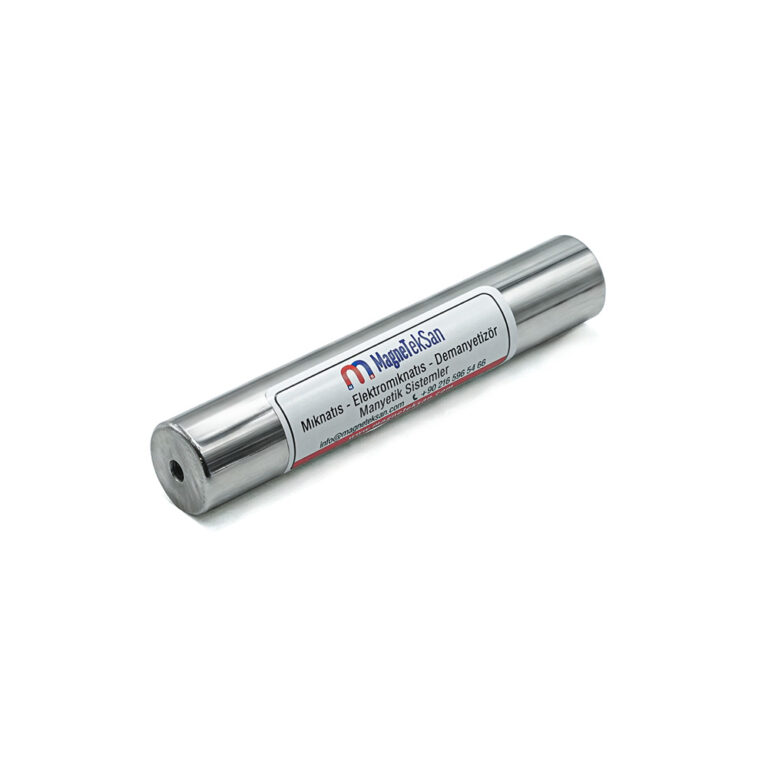
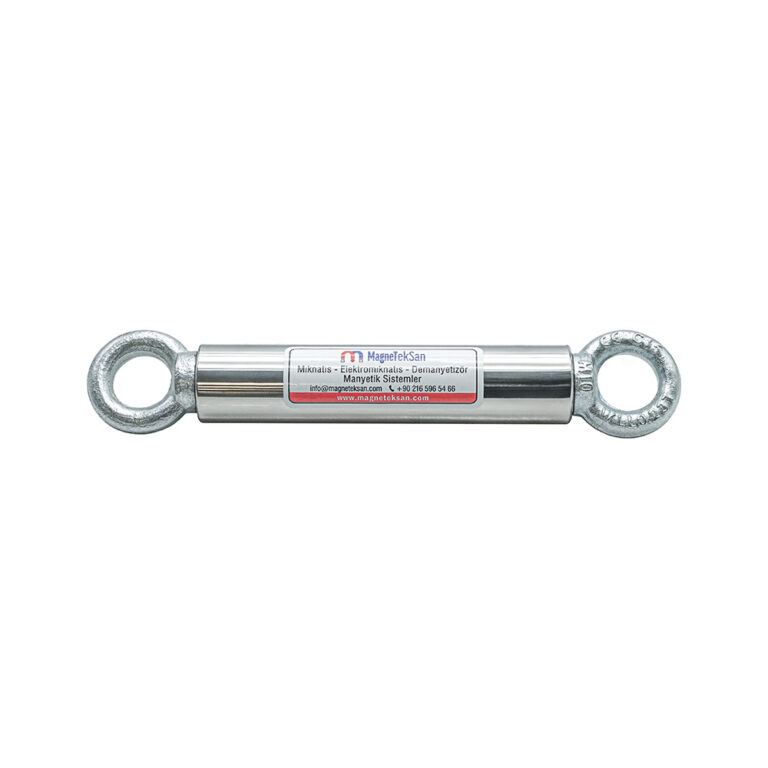
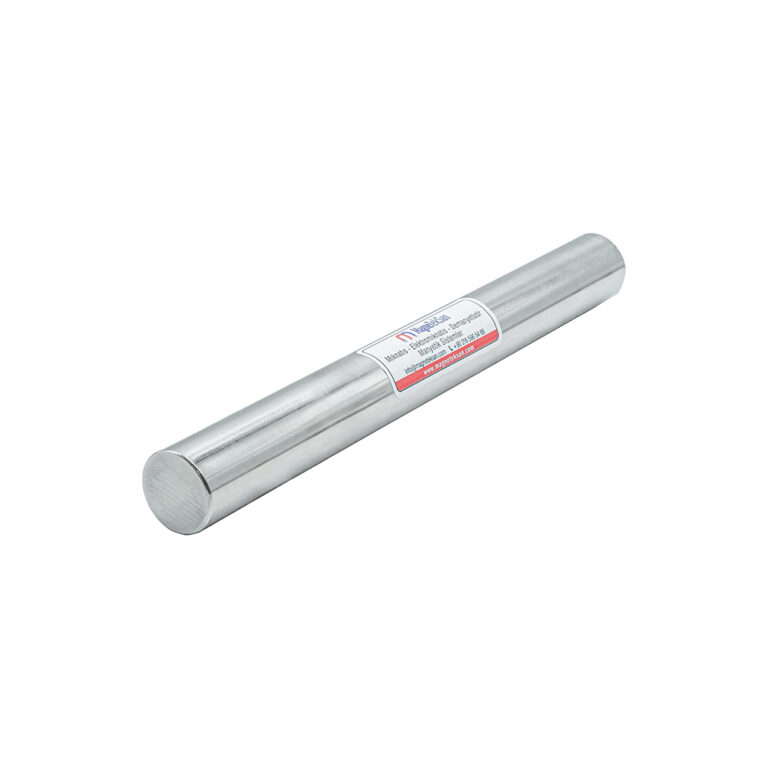
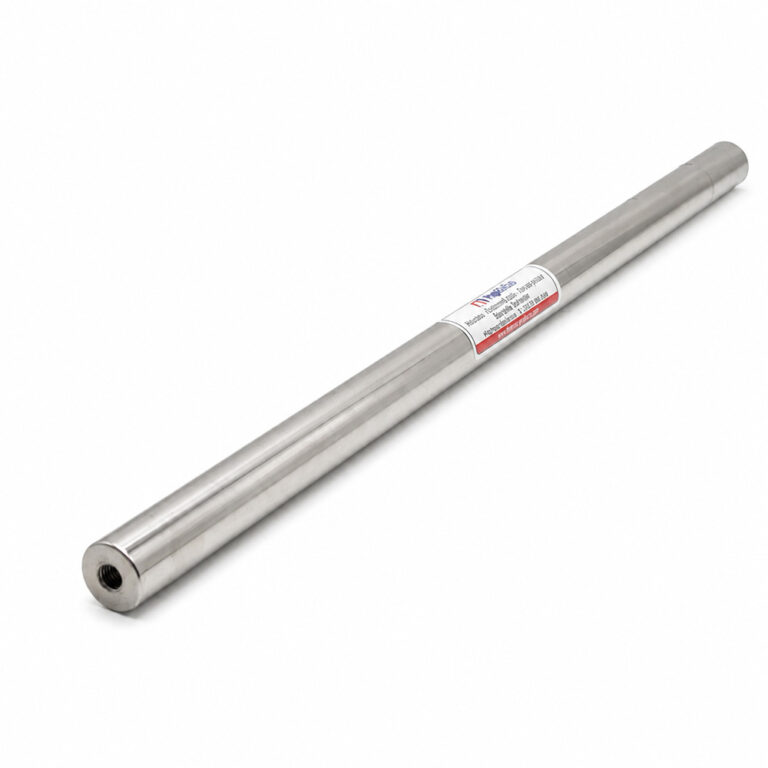
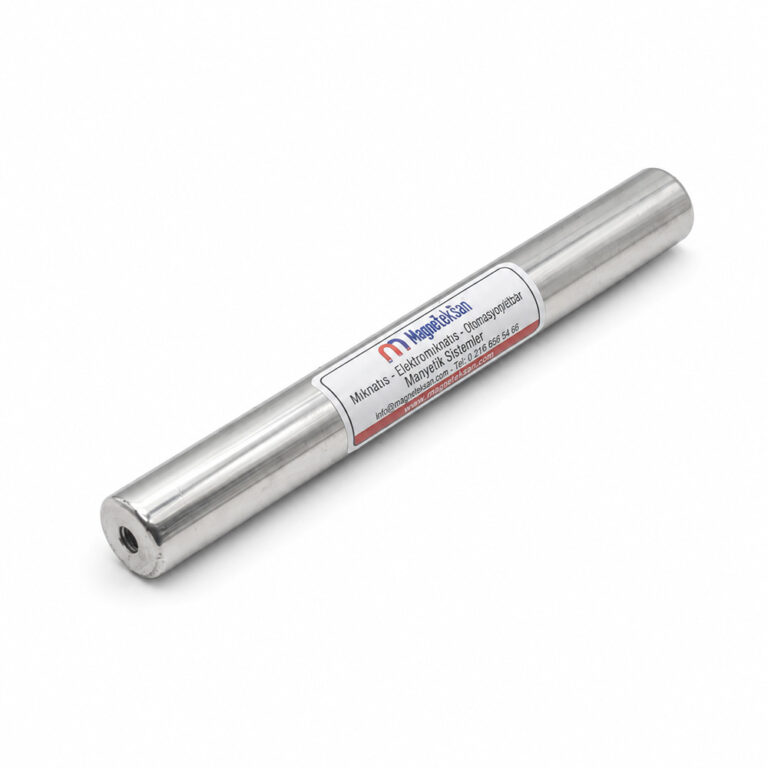
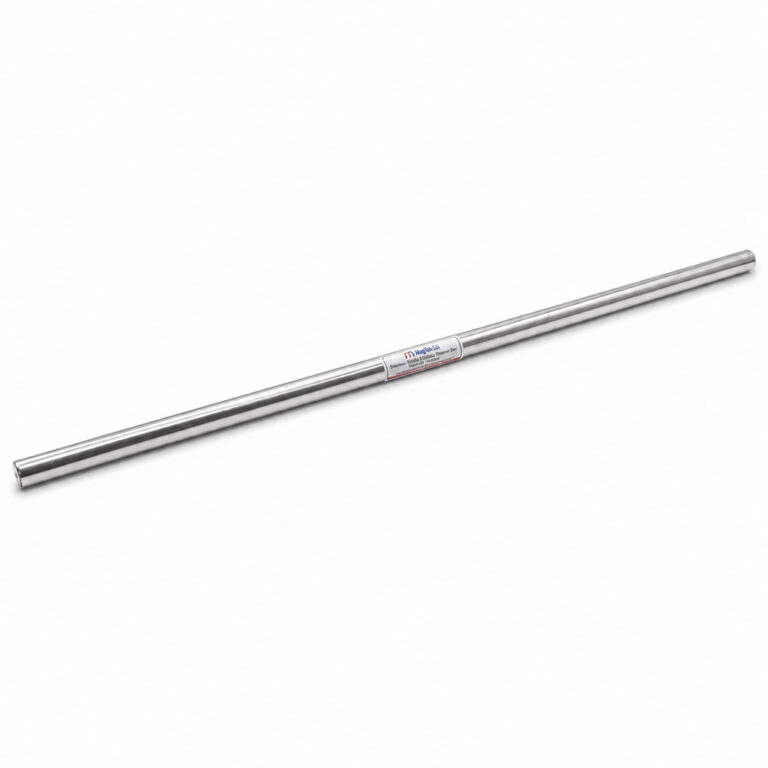
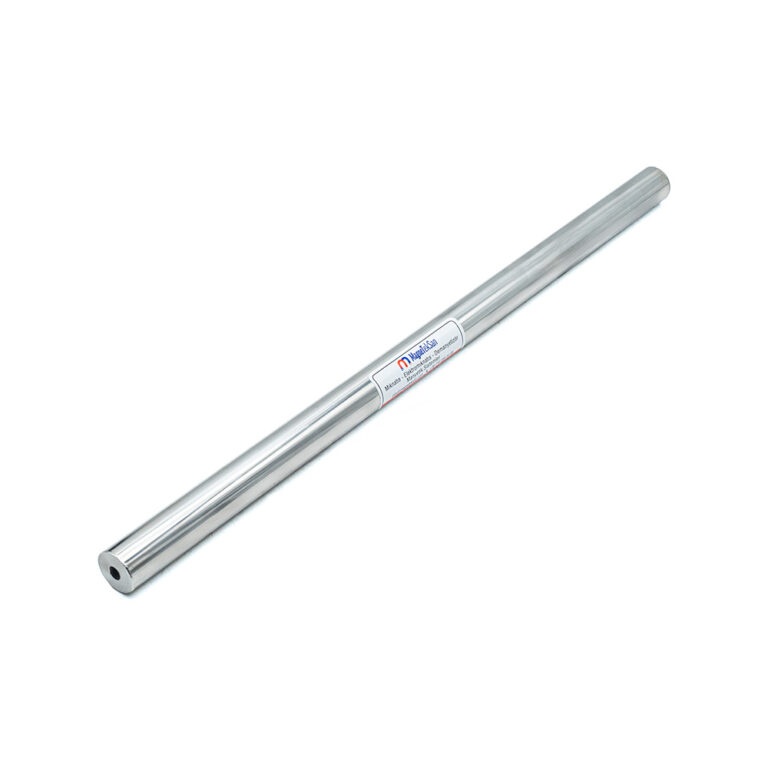
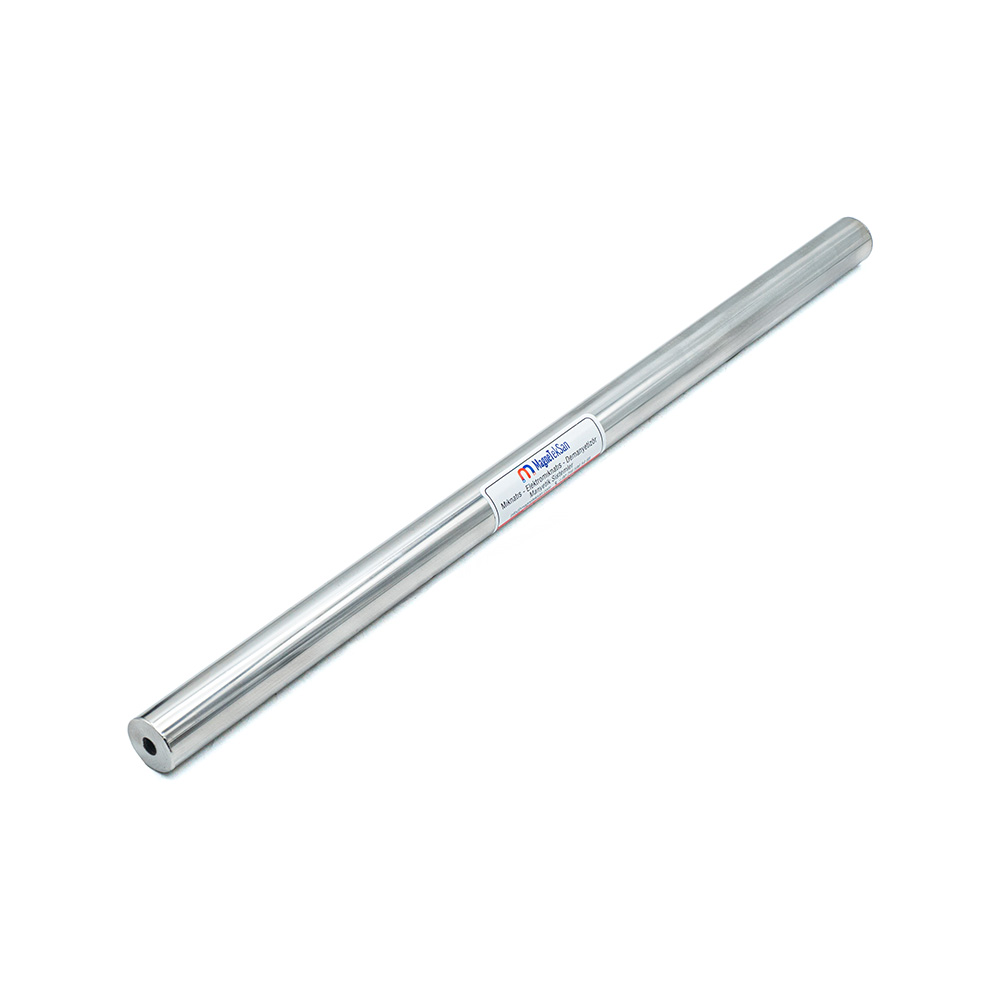
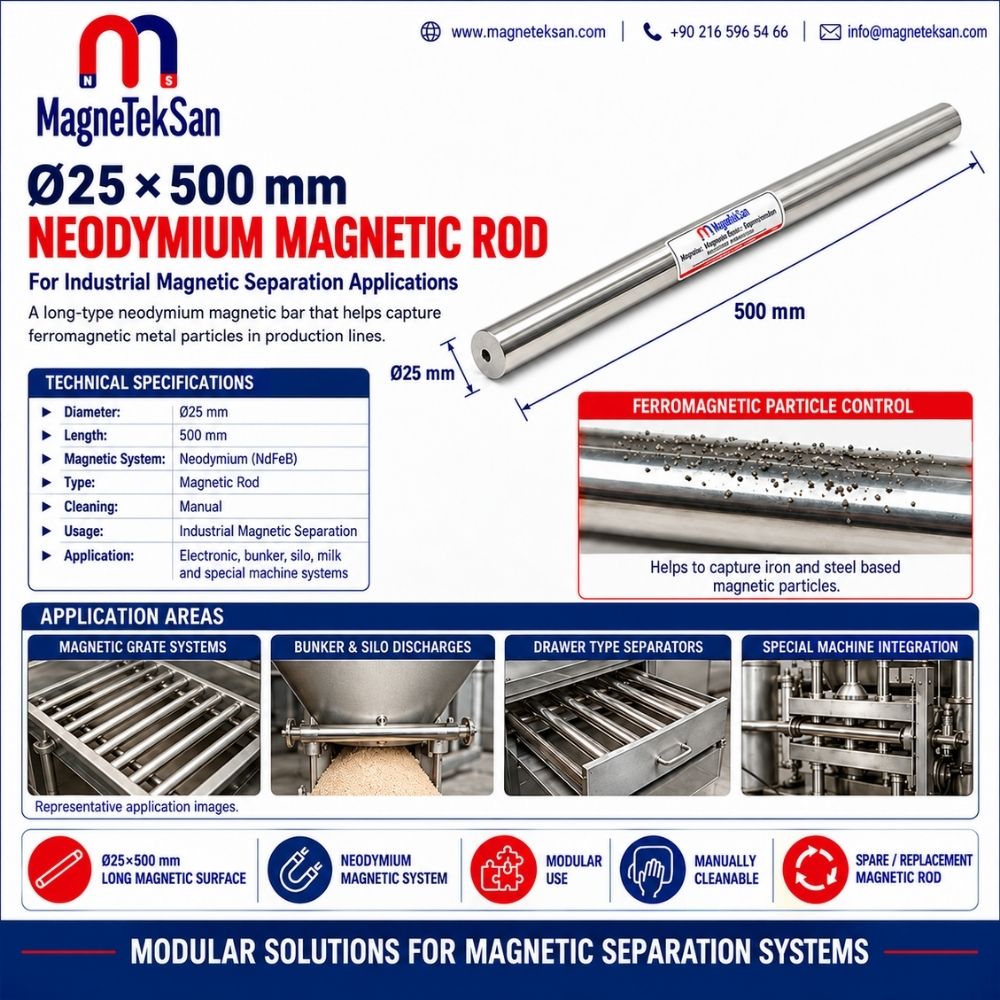
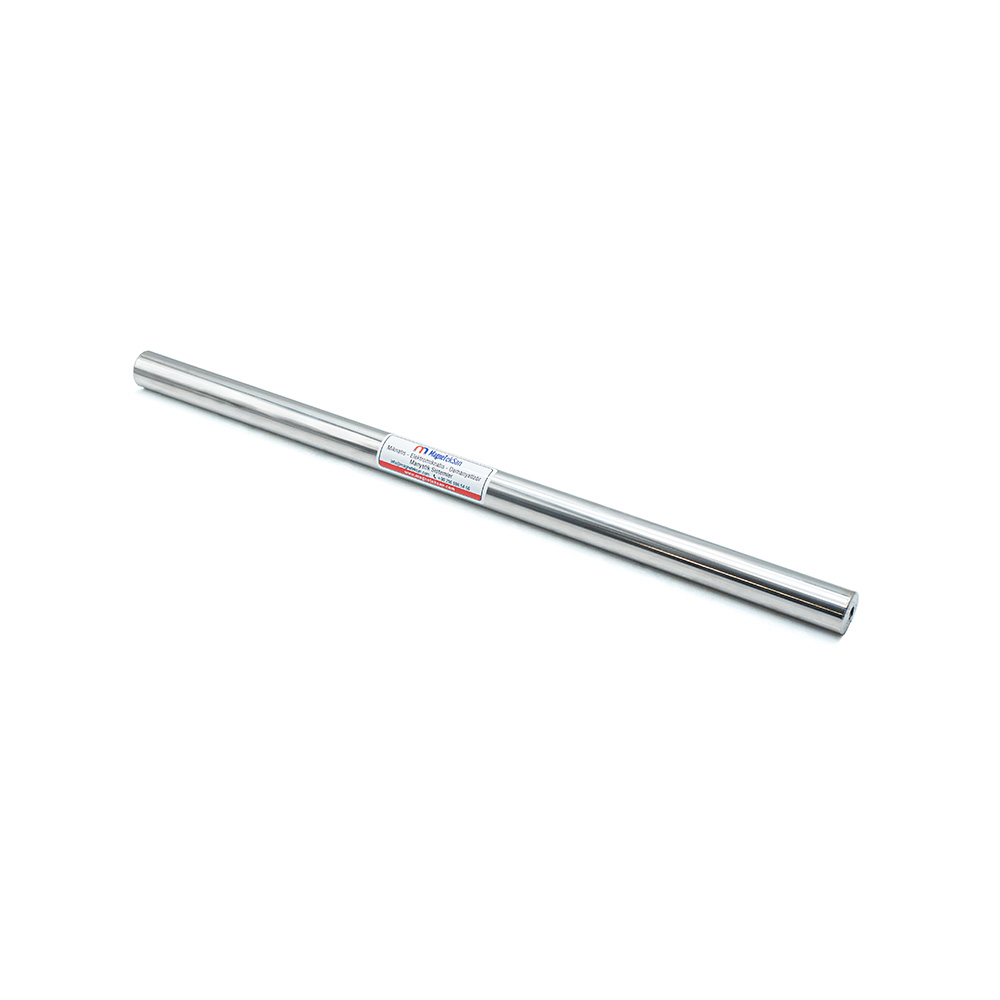
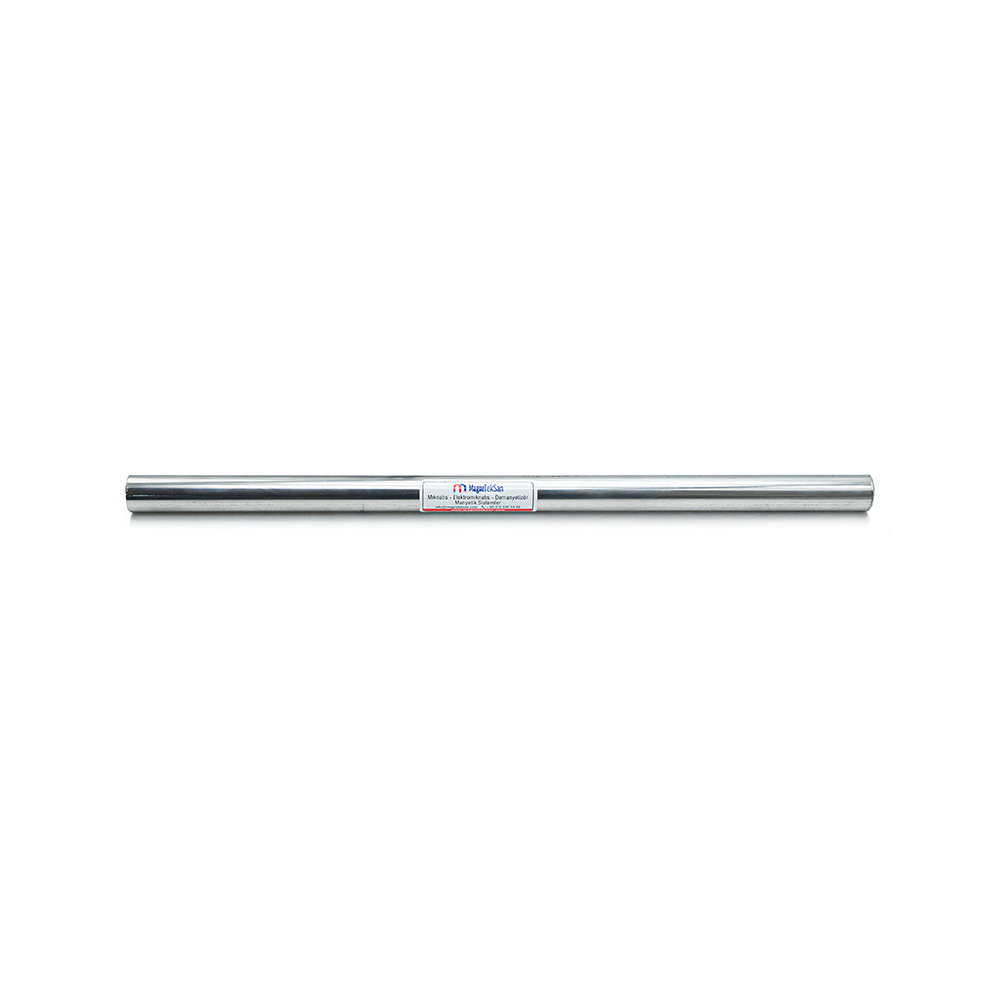
The Ø25×500 mm Neodymium Magnetic Bar is an industrial magnetic separation component designed to help capture ferromagnetic iron and steel particles from dry materials, granules and compatible production processes. Its 500 mm length makes it suitable for wider product flow areas and integration into magnetic grids, hoppers, silos, chutes and drawer-type separators. The permanent neodymium magnetic system can be used individually or in multi-bar assemblies, with manual cleaning required to remove accumulated metal contaminants.
| Technical Specification | Details |
|---|---|
| Product Type | Industrial Magnetic Bar |
| Diameter | Ø25 mm |
| Length | 500 mm |
| Overall Dimensions | Ø25×500 mm |
| Magnetic Material | Neodymium (NdFeB) |
| Magnetic System | Permanent Magnet |
| Main Function | Ferromagnetic Metal Separation |
| Target Contaminants | Iron and Ferromagnetic Steel |
| Product Compatibility | Dry Materials and Suitable Granules |
| Installation Options | Single Bar or Multi-Bar System |
| Typical Applications | Hoppers, Silos, Chutes and Magnetic Grids |
| Separator Integration | Grid and Drawer-Type Separators |
| Replacement Application | Compatible Existing Magnetic Systems |
| Connection Configuration | Female-Threaded Category; Size to Be Confirmed |
| Cleaning Method | Manual |
| Electrical Requirement | None for Magnetic Field Generation |
Extra Information
1. Ø25×500 mm Neodymium Magnetic Bar for Industrial Separation
The Ø25×500 mm Neodymium Magnetic Bar is designed for industrial applications where ferromagnetic metal contamination must be controlled. It is a modular magnetic separation component suitable for integration into different production equipment.
The magnetic bar has a diameter of 25 mm and a length of 500 mm. Its elongated design allows a magnetic separation surface to be positioned across relatively wide product flow areas.
The neodymium magnetic system helps attract suitable iron and steel particles passing near the bar. Captured particles remain on the magnetic surface until they are removed during cleaning.
This product is not a complete metal detection system. Its effectiveness depends on the characteristics of the contaminants, product flow conditions and installation geometry.
2. What Is a Neodymium Magnetic Bar?
A neodymium magnetic bar is a cylindrical magnetic component used to capture ferromagnetic particles from industrial material flows. It can be installed individually or incorporated into larger separation assemblies.
The magnetic system contains neodymium-based permanent magnets, commonly identified as NdFeB. These magnets generate a magnetic field without requiring an external electrical power supply.
When suitable ferromagnetic particles move sufficiently close to the magnetic surface, they may be attracted and retained. Nonmagnetic product material continues through the process.
Magnetic bars are widely used as building blocks for custom magnetic separators. Their final performance depends on the design of the complete installation.
3. Ø25 mm Magnetic Bar Diameter
The magnetic bar has an external diameter of Ø25 mm. This dimension is important when designing mounting arrangements and determining spacing between multiple bars.
A 25 mm diameter allows the component to be incorporated into different magnetic grid and drawer separator configurations. The suitability of each arrangement depends on the available installation space.
The distance between the product and the magnetic surface influences the ability to capture ferromagnetic contaminants. Bar placement should therefore be considered during separator design.
The specified diameter does not establish a guaranteed magnetic strength or capture distance. Such performance characteristics require separate verification.
4. Advantages of the 500 mm Magnetic Bar Length
The 500 mm length makes this magnetic bar suitable for applications involving relatively wide material passages. It provides an extended magnetic component for custom separator construction.
In hoppers, chutes and grid assemblies, a longer bar can cover a larger section of the product flow path. The required arrangement depends on the dimensions of the equipment.
A single long bar may be appropriate for some installations. Wider or more complex flow areas may require several bars arranged in parallel or in multiple stages.
Length alone does not determine separation efficiency. Flow speed, contaminant properties and proximity to the magnetic surface remain important.
5. Permanent Neodymium Magnetic System
The product uses a permanent neodymium magnetic system. The magnetic field is generated without continuous electrical energy consumption.
Neodymium magnets are commonly selected for compact industrial magnetic separation components. Their performance depends on magnet grade, magnetic circuit design and operating conditions.
The magnetic field remains present when surrounding production machinery is switched off. This must be considered during maintenance and handling.
A specific neodymium grade, surface Gauss value or maximum operating temperature has not been confirmed for this product. These values should not be assumed from its dimensions.
6. Ferromagnetic Metal Particle Separation
The primary function of the magnetic bar is to help capture ferromagnetic metal particles. Typical examples include iron fragments and suitable steel particles.
Such contamination may enter industrial products through equipment wear, maintenance activities or incoming raw materials. The size and shape of contaminants can vary.
When particles approach the magnetic bar, magnetic attraction may draw them toward its surface. Retained particles can then be removed during maintenance.
The bar does not guarantee complete removal of every ferromagnetic particle. Separation performance must be evaluated under actual operating conditions.
7. Magnetic Separation in Industrial Production Lines
Industrial production lines often transport powders, granules and other bulk materials between processing stages. Magnetic separation can provide an additional control point within these systems.
The Ø25×500 mm magnetic bar can be incorporated into suitable material transfer locations. Installation options include hoppers, chutes, magnetic grids and custom machinery.
The bar should be positioned where the product passes sufficiently close to its magnetic surface. The arrangement should also maintain acceptable material flow.
The most appropriate installation location depends on the process layout and the contamination risks involved. A magnetic bar should be selected as part of the overall separator design.
8. Magnetic Bars for Dry Materials
Dry material handling systems can benefit from magnetic separation where ferromagnetic contamination is a concern. The product may be integrated into compatible dry processing equipment.
Powders and granules behave differently depending on particle size, bulk density and flow characteristics. These factors influence how material passes around a magnetic bar.
A properly designed arrangement should encourage exposure of the material flow to the magnetic surface. It should also avoid unnecessary product accumulation.
Compatibility with a specific material must be assessed individually. The product should not automatically be assumed suitable for every powder or granular process.
9. Magnetic Separation of Granular Materials
Granular raw materials are transported through many industrial processing systems. Ferromagnetic fragments may become mixed with these materials during handling.
A neodymium magnetic bar can help capture suitable magnetic contaminants from granular product flows. Its effectiveness depends partly on the movement of individual particles.
The position of the bar relative to the product flow is important. Multiple bars may be required where a single magnetic surface cannot adequately cover the flow area.
The separator design should account for particle size and material flowability. Excessively narrow passages may restrict flow or encourage accumulation.
10. Magnetic Bar Installation in Hoppers
Hoppers are commonly used to store and discharge bulk materials into subsequent processing equipment. They may provide suitable locations for magnetic separation.
The Ø25×500 mm magnetic bar can be integrated into a compatible hopper arrangement. A single bar or multi-bar assembly may be considered.
The installation should allow the material to pass near the magnetic surface without causing unacceptable flow restrictions. Adequate access for cleaning is also essential.
Hopper geometry, discharge rate and product characteristics should be evaluated before installation. The correct arrangement is application-specific.
11. Magnetic Bar Installation at Silo Outlets
Silo outlets are transfer points where stored material enters downstream equipment. Magnetic separation may be considered at these locations.
A magnetic bar can be installed in a suitable outlet assembly to help retain ferromagnetic contaminants. Its position should be selected according to the direction of material movement.
Some silo outlets may require several magnetic bars to provide appropriate coverage. The number and spacing of bars should reflect the flow channel geometry.
The installation must remain accessible for periodic inspection and cleaning. It should also avoid interfering with the normal discharge of stored material.
12. Magnetic Separation in Chutes
Chutes guide materials between equipment or processing stages. They can provide convenient locations for magnetic separation components.
The 500 mm magnetic bar may be positioned across a compatible chute or incorporated into a custom assembly. The mounting arrangement should be selected according to the chute geometry.
As material passes the bar, suitable ferromagnetic particles may be attracted to its surface. Separation depends on the particles approaching sufficiently close.
Chute inclination, material speed and flow distribution influence performance. These factors should be considered when designing the installation.
13. Magnetic Bars for Magnetic Grid Separators
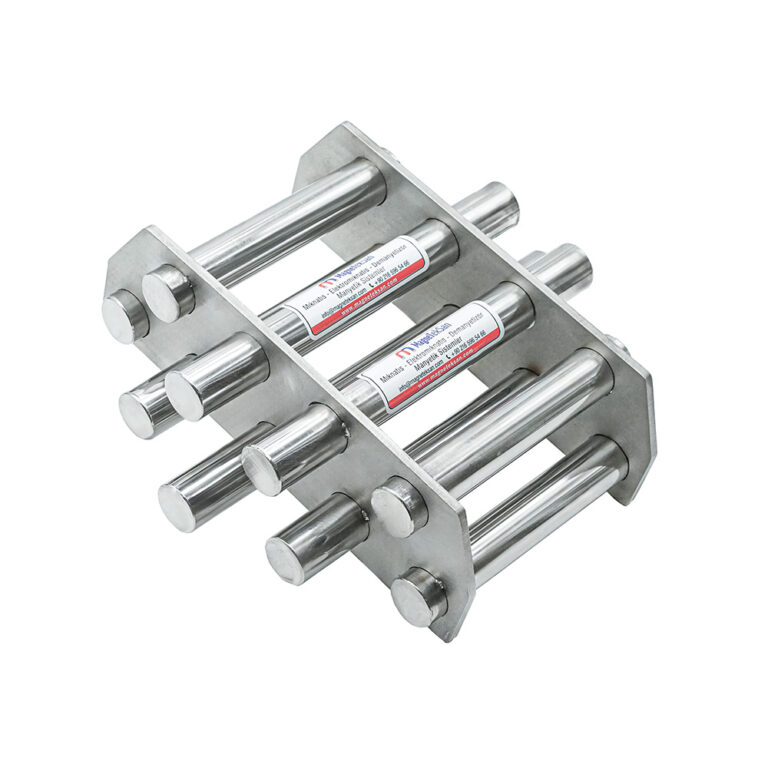
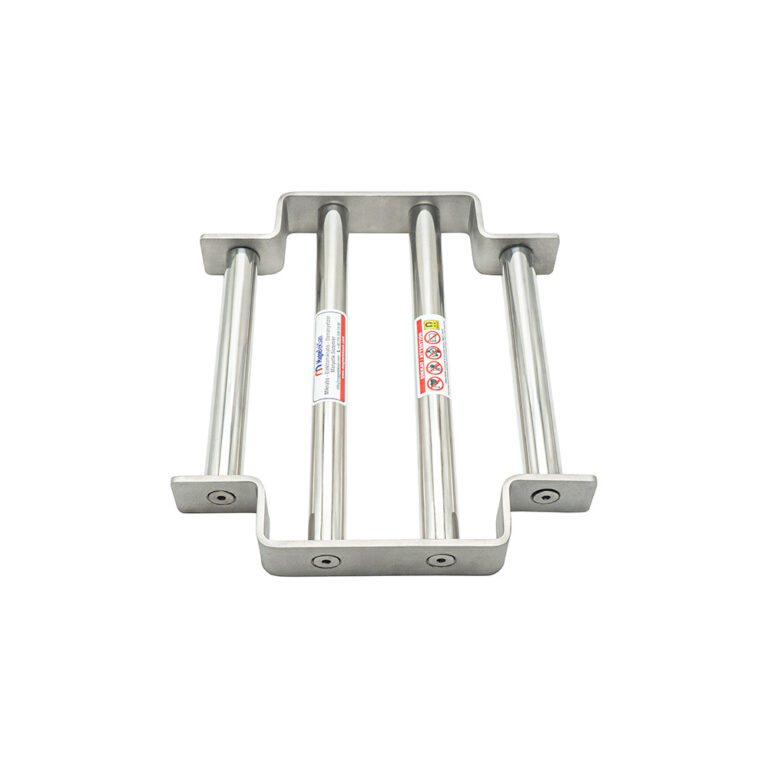
Magnetic grid separators use multiple magnetic bars arranged within a supporting frame. Material passes between or around the bars during processing.
The Ø25×500 mm magnetic bar can serve as a component in a suitably designed magnetic grid. Its length may support applications requiring a relatively wide grid.
Bar spacing is a key design consideration. Narrow spacing can increase magnetic surface exposure but may restrict material flow.
The number of bars, frame dimensions and installation orientation must be selected according to the application. A complete grid requires more than simply selecting the bar dimensions.
14. Multi-Bar Magnetic Separation Systems
Several magnetic bars can be arranged together to create a larger separation area. Such configurations are useful when the material flow is wider than the coverage provided by one bar.
Bars may be positioned in parallel or in multiple stages. The arrangement can increase the opportunities for ferromagnetic particles to approach a magnetic surface.
The required number of bars depends on the material passage, flow characteristics and separation objectives. There is no universal arrangement suitable for every process.
Multi-bar systems should be designed to balance separation opportunities with acceptable product flow. Cleaning and maintenance access must also be considered.
15. Magnetic Bars for Drawer-Type Separators
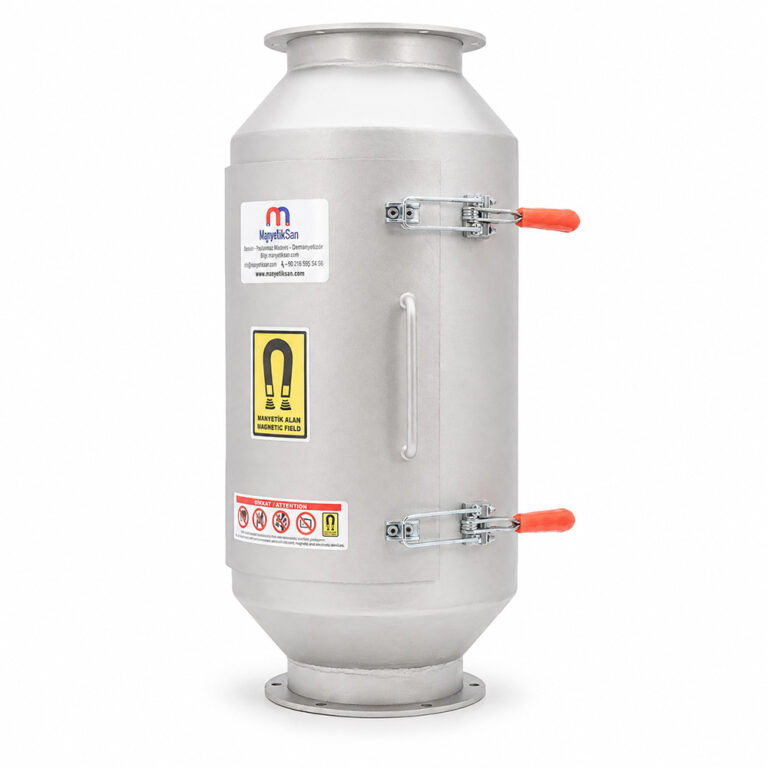
Drawer-type magnetic separators typically contain removable magnetic bar assemblies. These systems are used where periodic access to magnetic components is required.
The Ø25×500 mm magnetic bar may be incorporated into a compatible drawer separator design. Its suitability depends on the dimensions and mounting configuration of the assembly.
As material passes through the separator, ferromagnetic contaminants may be captured on the bar surfaces. The assembly can then be accessed for cleaning.
Replacement or modification of existing drawer systems requires dimensional verification. The connection geometry and bar length must match the intended equipment.
16. Replacement Magnetic Bar Applications
The Ø25×500 mm magnetic bar may be considered as a replacement component in an existing magnetic separator. Compatibility must be confirmed before ordering.
Important measurements include the bar diameter, overall length and connection configuration. Mounting geometry should also be checked.
A replacement bar must fit securely within the existing equipment. Incorrect dimensions or incompatible connections may prevent proper installation.
The magnetic performance requirements of the original system should also be reviewed. Dimensional compatibility alone does not guarantee equivalent separation performance.
17. Female-Threaded Magnetic Bar Connections
The source product is listed within the female-threaded magnetic bar category. This indicates the intended mounting family of the component.
Female-threaded connections can provide a means of securing magnetic bars to frames or other suitable supports. The actual arrangement depends on the product design.
The thread size, number of threaded ends and connection depth have not been confirmed for this specific product. These details must be verified before preparing mounting drawings.
When ordering a replacement bar, the connection specification should be checked against the existing assembly. This helps avoid mechanical incompatibility.
18. Magnetic Bar Placement and Orientation
The position of a magnetic bar relative to the material flow affects separation performance. Particles must approach the magnetic surface closely enough for attraction to occur.
In a custom grid or separator, bars may be arranged perpendicular to the material flow or in other application-specific configurations. The appropriate orientation depends on the equipment.
The design should consider flow distribution, particle movement and the spacing between magnetic surfaces. Poor positioning may leave areas with limited magnetic exposure.
The objective is to provide effective opportunities for magnetic capture without unnecessarily restricting the process. Installation geometry should therefore be reviewed during equipment design.
19. Importance of Magnetic Working Distance
Magnetic working distance refers to the separation between a ferromagnetic particle and the active magnetic surface. This distance influences the magnetic force acting on the particle.
A particle moving close to the bar may experience stronger attraction than a similar particle farther away. Particle size, shape and magnetic properties also affect the result.
The placement of magnetic bars within a separator should encourage suitable proximity between the product flow and the magnetic surface. This is especially important in wider flow channels.
No guaranteed capture distance has been specified for the Ø25×500 mm bar. Any required performance threshold should be established through appropriate testing.
20. Material Flow Rate and Separation Performance
Material flow rate can influence the interaction between contaminants and magnetic surfaces. Different production lines may operate at substantially different capacities.
At higher flow velocities, particles may spend less time near a magnetic bar. Their momentum can also influence whether magnetic attraction changes their movement.
The separator arrangement should be selected with the expected flow rate in mind. Bar dimensions alone do not establish the capacity of a complete separator.
A specific hourly throughput has not been verified for this product. Capacity claims should be based on the complete installation and representative operating conditions.
21. Iron and Steel Contaminant Capture
Iron and many carbon steel materials are ferromagnetic. They may respond strongly to the field produced by a suitable magnetic separator.
Potential contaminants include steel fragments, iron particles, wire pieces and debris generated by machinery wear. These materials can enter industrial processes at different stages.
The neodymium magnetic bar can help retain suitable contaminants on its surface. Captured particles are subsequently removed during cleaning.
Not all steel grades behave identically in a magnetic field. Some stainless steels may exhibit weak magnetic attraction and may not be captured reliably.
22. Limitations with Nonmagnetic Metals
A neodymium magnetic bar is primarily intended for ferromagnetic metal separation. It is not a universal device for removing all metals.
Aluminium, copper and brass are not reliably captured through the ordinary attraction of permanent magnetic bars. Some stainless steel grades may also respond weakly.
Where nonmagnetic metal contamination is a significant concern, additional inspection or separation methods may be necessary. The appropriate solution depends on the process risk assessment.
Magnetic separation and metal detection serve different purposes. They may be used together when the production process requires broader contamination control.
23. Manual Cleaning of the Magnetic Bar
Ferromagnetic particles captured during operation can accumulate on the external surface of the magnetic bar. Periodic cleaning is necessary to remove these deposits.
Before cleaning, the connected machinery must be stopped and safely isolated against unexpected startup. The facility’s approved maintenance and energy isolation procedures should be followed.
Captured metal particles should be removed carefully using suitable tools and personal protective equipment. The permanent magnetic field remains active during maintenance.
After cleaning, the bar and mounting components should be inspected before production resumes. Cleaning procedures should be appropriate for the processed material and installation.
24. Determining Cleaning Intervals
There is no single cleaning interval suitable for every magnetic bar installation. The required frequency depends on the amount of ferromagnetic contamination reaching the separator.
During initial operation, more frequent inspections may help determine how quickly metal particles accumulate. These observations can support an application-specific cleaning schedule.
Production volume, raw material quality and equipment condition may influence contamination levels. Changes in these factors may require adjustments to cleaning frequency.
Cleaning records can help identify unusual increases in captured metal. Such changes may indicate wear or damage in upstream equipment.
25. Inspection and Preventive Maintenance
Regular inspection helps confirm that the magnetic bar remains securely installed and accessible. The mounting arrangement should be checked for visible defects.
The magnetic surface should be inspected for accumulated contaminants and possible damage. Any condition affecting hygiene, safety or separation performance should be addressed.
Maintenance should also consider changes to the surrounding equipment. Modifications to material flow paths can affect how particles approach the magnetic bar.
Where magnetic performance verification is required, an appropriate measurement or functional testing procedure should be established. Acceptance criteria should reflect the requirements of the application.
26. Custom Magnetic Separator Manufacturing
The Ø25×500 mm magnetic bar can serve as a component in custom industrial separator designs. It is suitable for consideration in grid, drawer, hopper and chute assemblies.
Custom systems may use one magnetic bar or multiple bars arranged in a supporting frame. The configuration should match the material flow path and available installation space.
Connection geometry, bar spacing and access for cleaning are important design considerations. These details influence both operation and maintenance.
Magneteksan can evaluate application-specific magnetic separation solutions using different bar dimensions and mounting configurations. Technical requirements should be confirmed before finalising the design.
27. Custom Neodymium Magnetic Bar Dimensions
Industrial production equipment does not always use standard passage widths or mounting arrangements. Custom magnetic bar dimensions may therefore be required.
Magneteksan can evaluate magnetic bar solutions with different diameters, lengths and connection configurations. The design can be adapted to the intended separator assembly.
Useful information for a custom request includes the processed material, installation location, required dimensions and mounting details. Expected operating conditions should also be provided.
The final specification should reflect the actual technical requirements. Magnetic performance values and material specifications should be confirmed rather than assumed.
28. Magneteksan Industrial Magnetic Separation Solutions
Magneteksan develops magnetic separation components and systems for industrial material processing. Neodymium magnetic bars are important elements in many custom separator configurations.
The Ø25×500 mm Neodymium Magnetic Bar is intended for ferromagnetic contamination control in compatible industrial processes. Its cylindrical geometry allows integration into suitable magnetic grids, hoppers, silos, chutes and drawer assemblies.
The permanent neodymium magnetic system helps attract iron and ferromagnetic steel particles passing near the bar. Manual cleaning is required to remove accumulated contaminants.
Correct product selection depends on installation dimensions, material flow, contaminant characteristics and maintenance requirements. These factors should guide the integration of the magnetic bar into a complete industrial separation system.