Product Information
Extra Information
Product Information
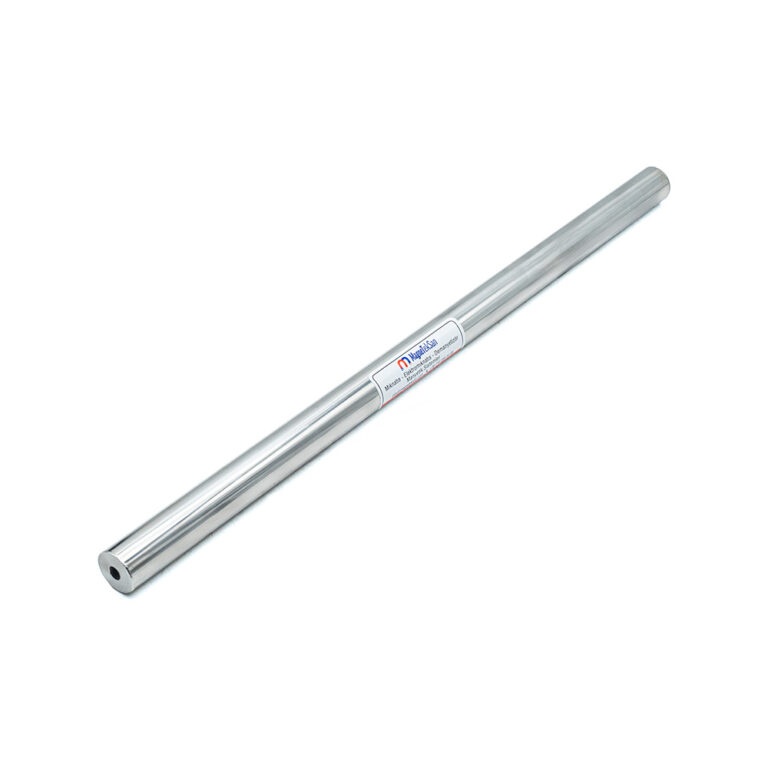
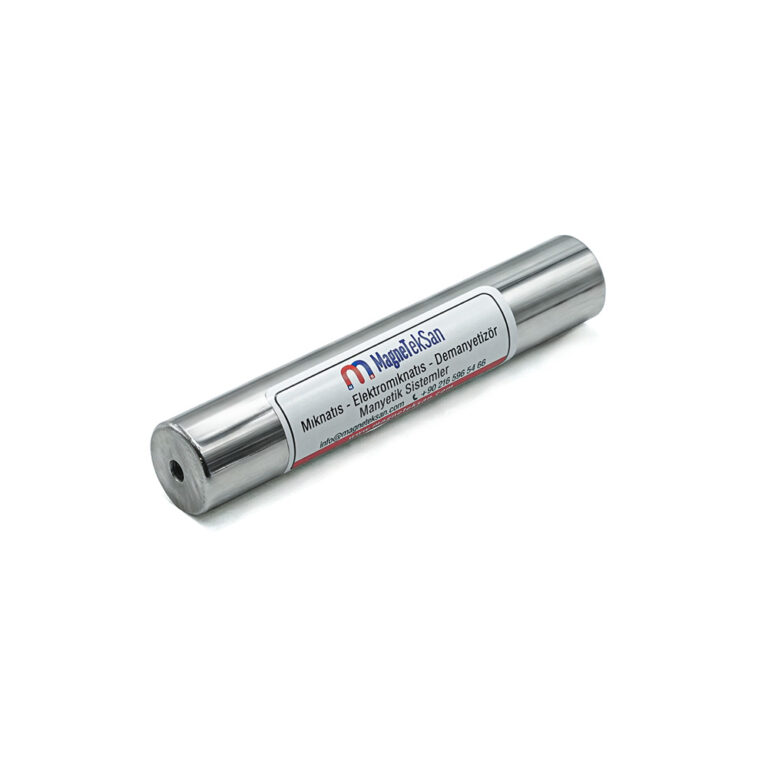
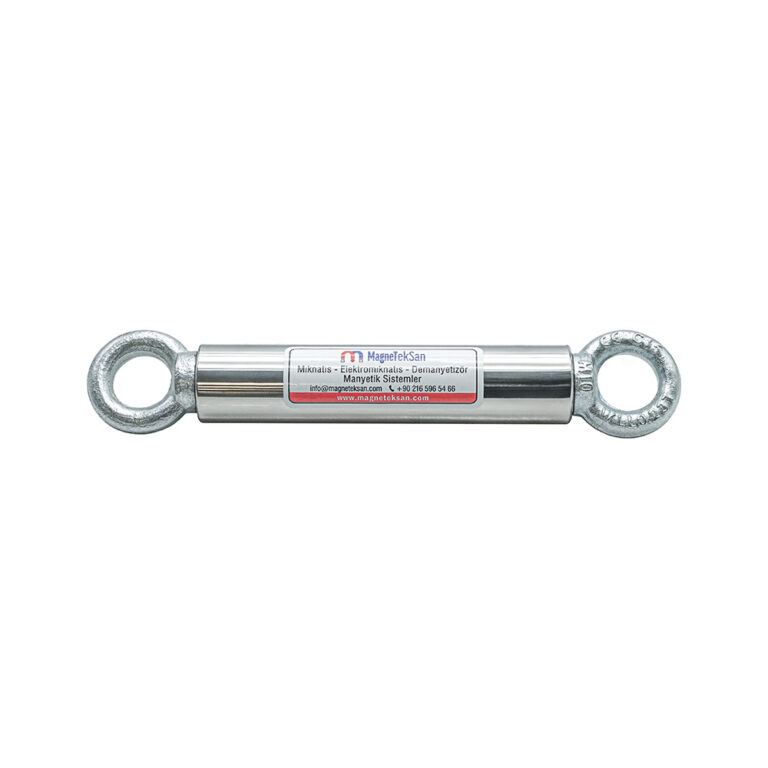
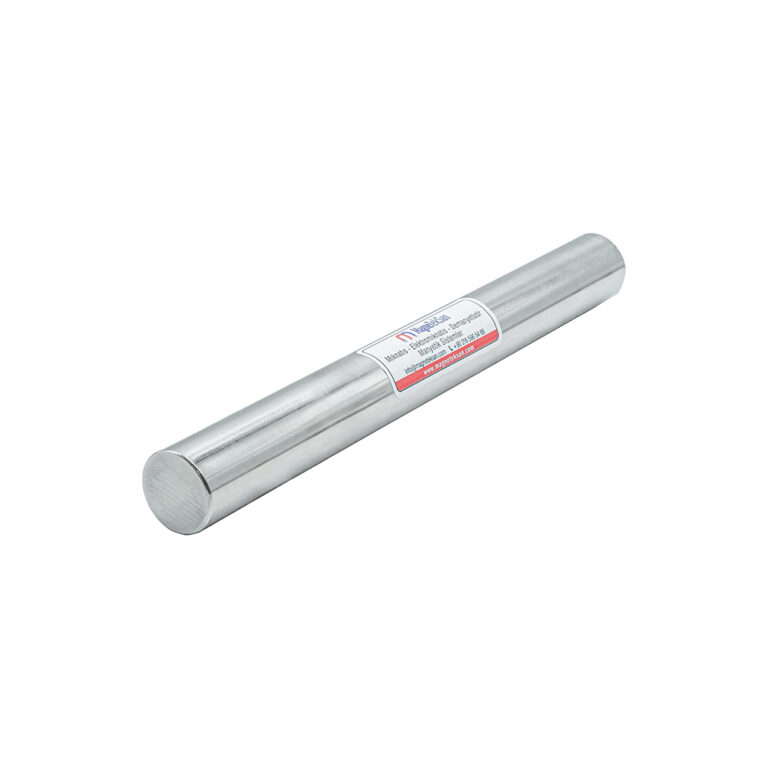
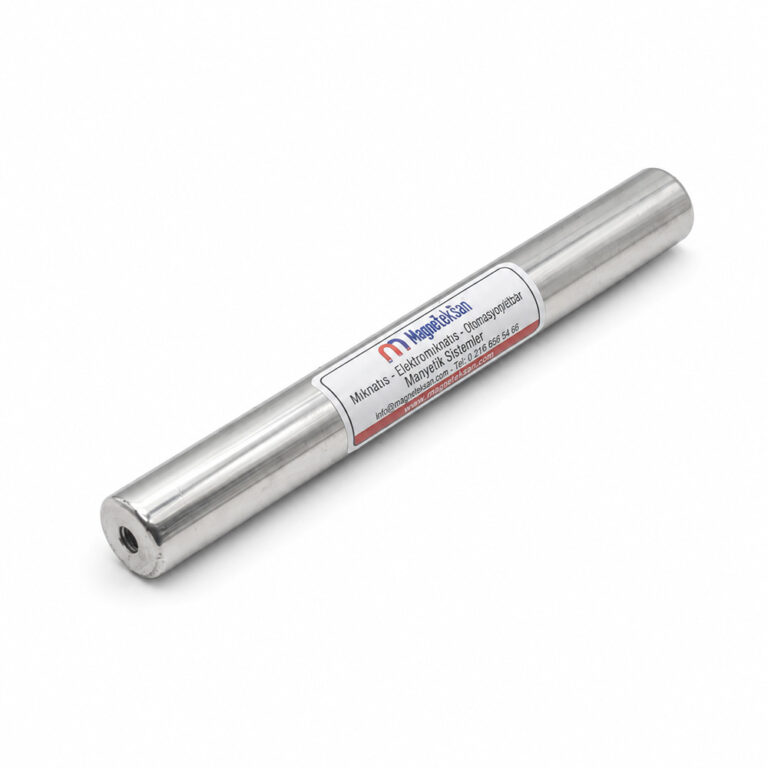
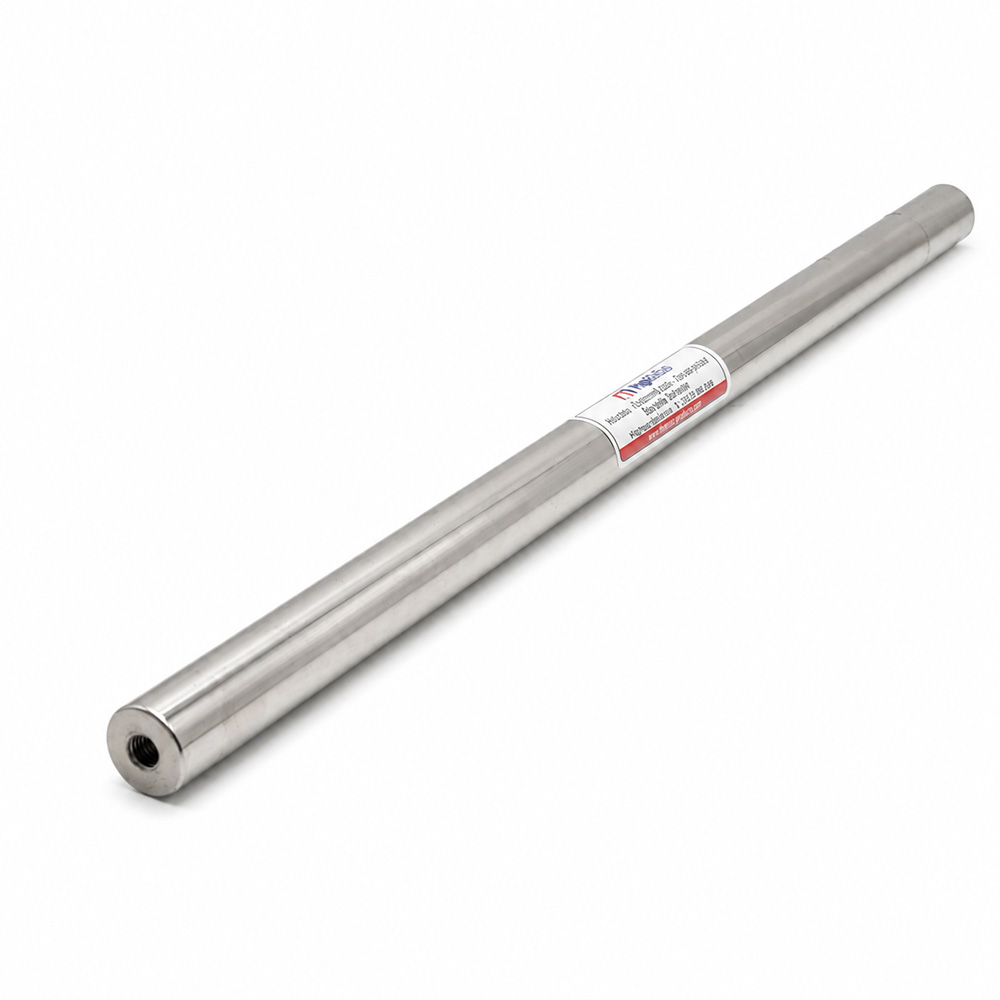
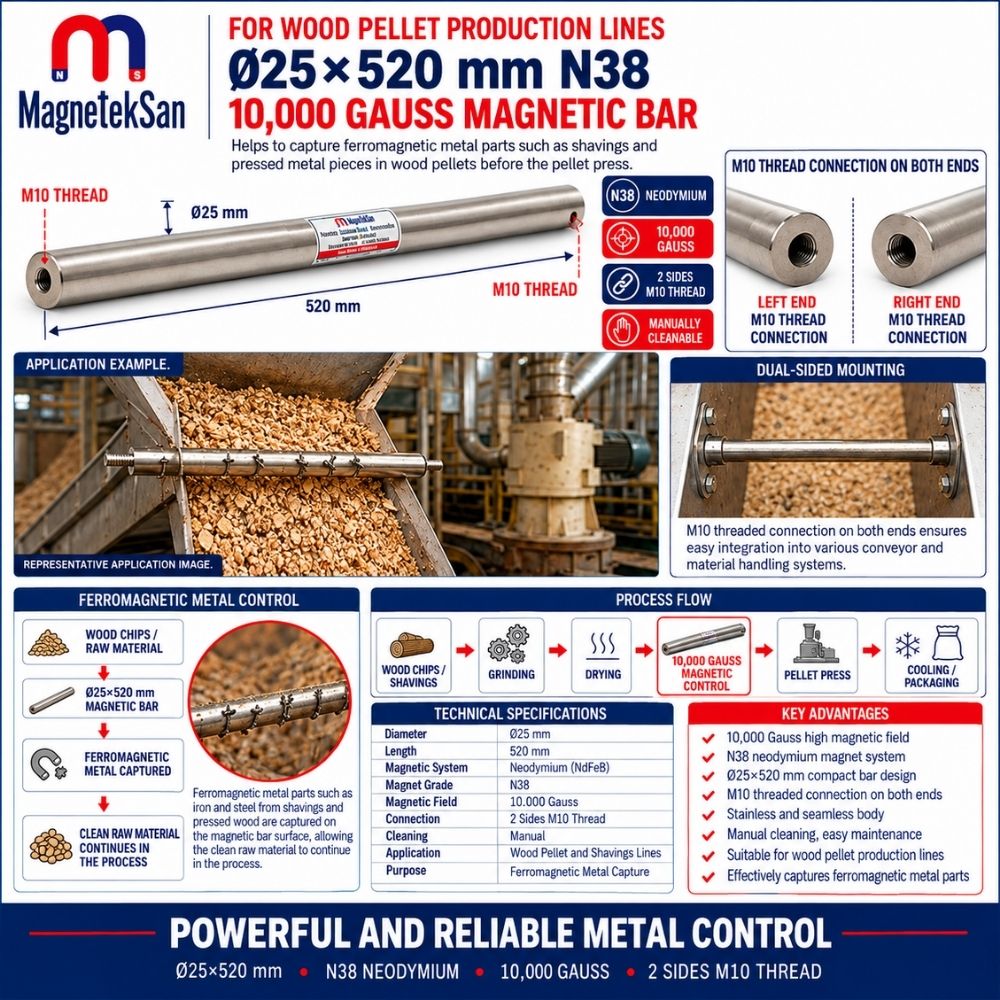
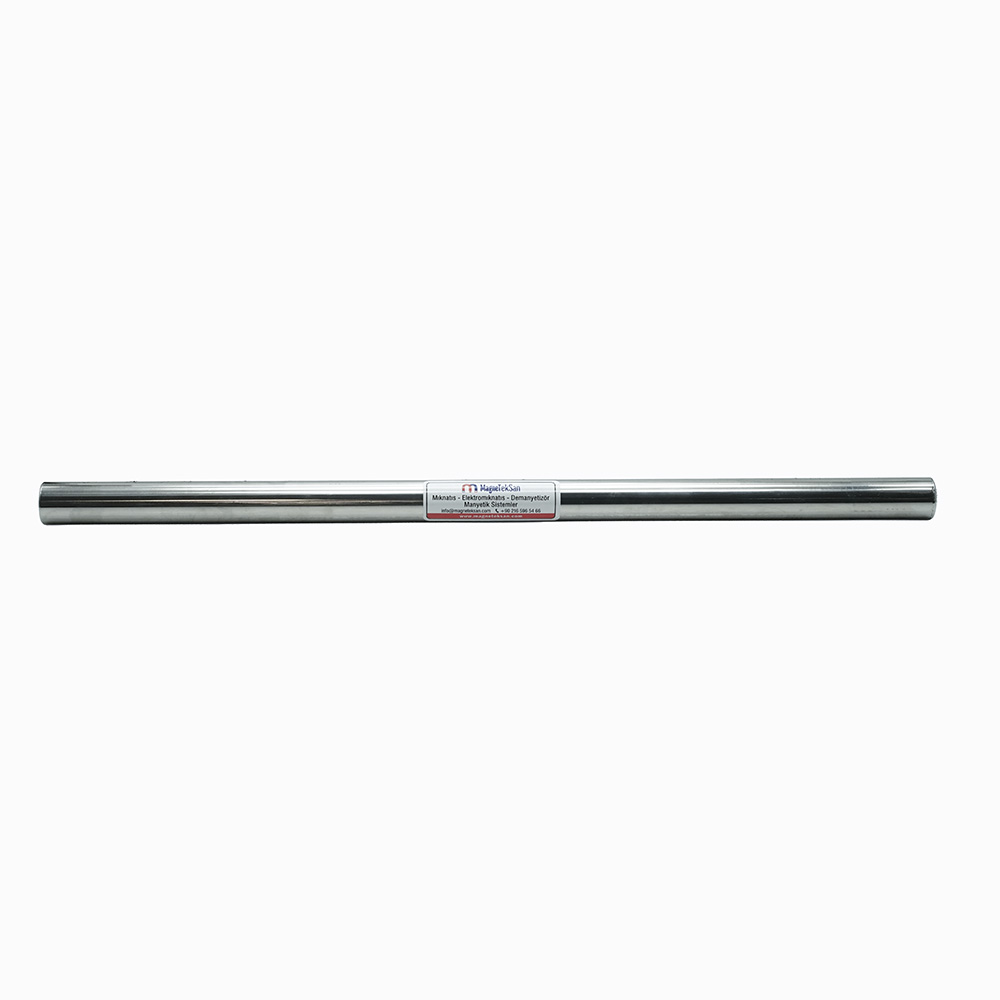
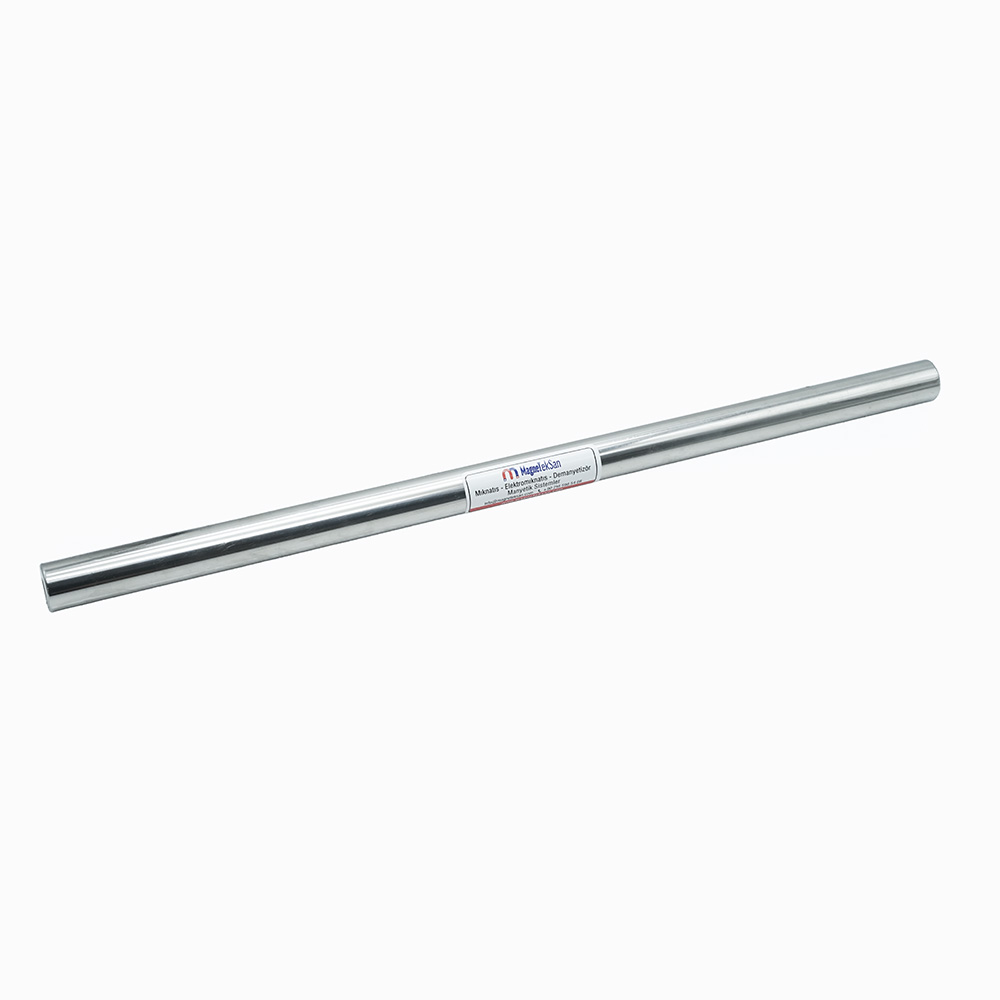
The Ø25×520 mm N38 Neodymium Magnetic Bar is designed to capture ferromagnetic metal contaminants from wood chips, sawdust and compatible biomass materials in wood pellet production lines. Featuring a specified magnetic field of 10,000 Gauss, this permanent magnetic rod can be installed at a suitable separation point before the pellet press to help reduce metal-related equipment damage and product contamination. Its Ø25 mm diameter, 520 mm length and M10 female threaded connections at both ends allow integration into appropriately engineered magnetic separation assemblies without requiring electrical power.
| Technical Specification | Description |
|---|---|
| Product Type | Permanent magnetic separation bar |
| Diameter | Ø25 mm |
| Length | 520 mm |
| Overall Dimensions | Ø25×520 mm |
| Magnetic Material | Neodymium (NdFeB) |
| Magnet Grade | N38 |
| Specified Magnetic Field | 10,000 Gauss |
| Mounting Connection | M10 female threads at both ends |
| Operating Principle | Permanent magnetic attraction |
| Electrical Power Requirement | None |
| Primary Application | Wood pellet production |
| Suitable Process Materials | Wood chips, sawdust and compatible biomass |
| Target Contaminants | Ferromagnetic metal particles |
| Recommended Installation Point | Before the pellet press |
| Integration Method | Mechanically mounted separation assembly |
| Primary Function | Capture and retain ferromagnetic contaminants |
Extra Information
1. Ø25×520 mm Magnetic Bar for Wood Pellet Production
The Ø25×520 mm magnetic bar is designed for magnetic separation applications in industrial wood pellet manufacturing.
Wood pellet production involves processing raw materials such as sawdust, wood chips and other compatible biomass feedstocks. During handling, conveying, grinding and storage, ferromagnetic metal contaminants may enter the material stream.
The magnetic bar uses permanent neodymium magnets to attract and retain suitable ferromagnetic particles that pass sufficiently close to its active surface.
When installed in a properly designed separation assembly, it can help reduce the risk of metal contamination reaching sensitive downstream machinery.
2. Why Is Magnetic Separation Important in Wood Pellet Manufacturing?
Wood pellet manufacturing relies on consistent raw material quality and reliable operation of processing equipment.
Ferromagnetic contaminants can originate from raw material handling, worn machinery, damaged conveying components or foreign objects introduced during storage and transportation.
If these contaminants reach a pellet press, they may contribute to mechanical damage, unplanned downtime and additional maintenance requirements.
Magnetic separation provides a practical method for reducing the presence of ferromagnetic particles in the production stream.
3. Ø25 mm Diameter and 520 mm Length
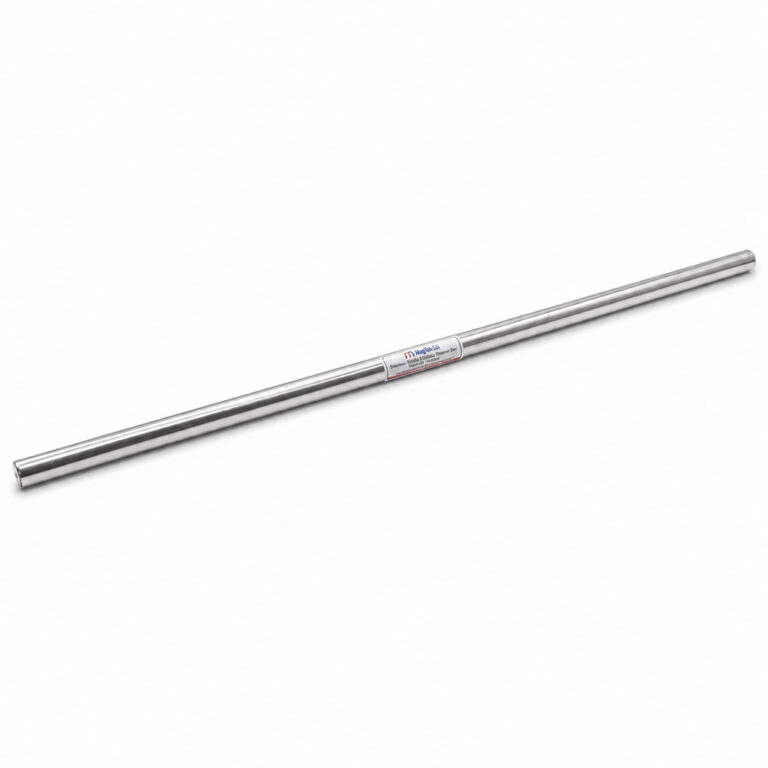
This magnetic bar has a nominal diameter of Ø25 mm and a length of 520 mm.
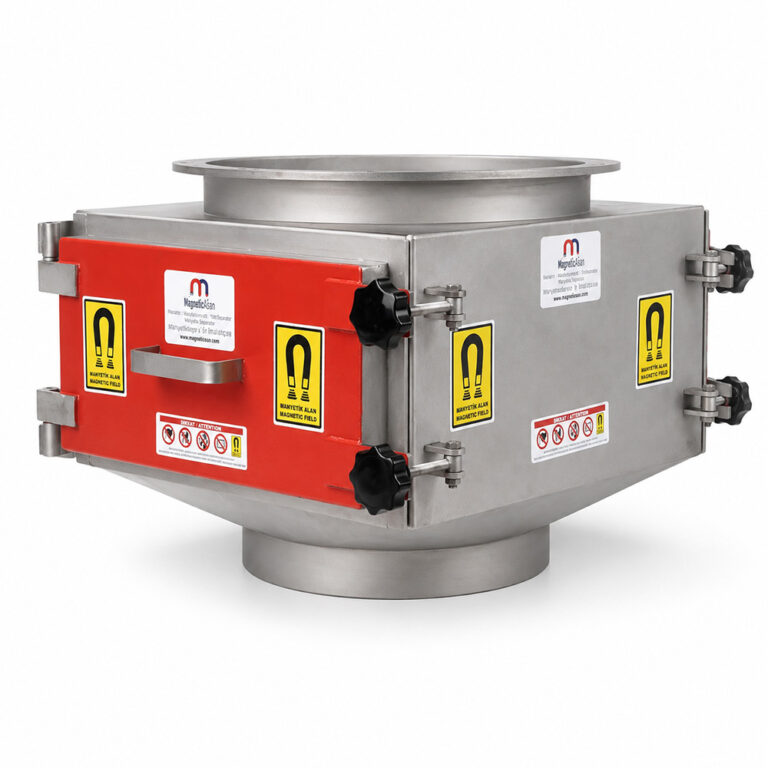
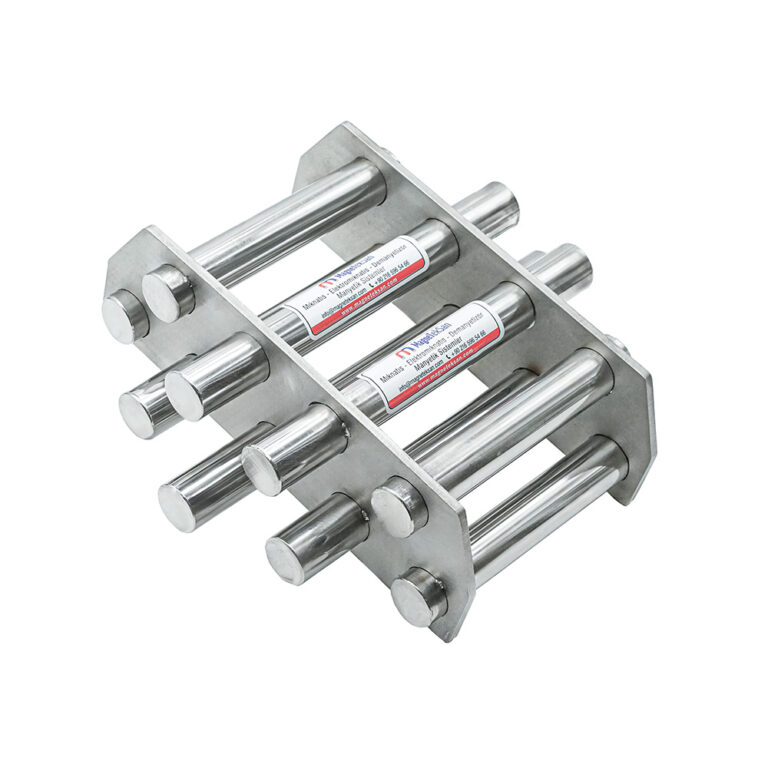
Its cylindrical geometry allows it to be incorporated into appropriately designed magnetic grids, separation housings and custom mounting structures.
The 520 mm length may be suitable for selected material flow channels, depending on the equipment dimensions and required magnetic coverage.
Before installation, the bar dimensions should be checked against the available space, mounting arrangement and material flow characteristics.
4. N38 Neodymium Magnetic Material
The magnetic system uses N38-grade neodymium magnets, also known as NdFeB magnets.
Neodymium magnets are widely used in industrial magnetic separation because they can generate strong magnetic fields within compact assemblies.
The N38 designation identifies the magnet material grade. It should not be interpreted as a direct indication of lifting capacity or guaranteed contaminant removal performance.
The effective separation result depends on the complete magnetic circuit, installation geometry and operating conditions.
5. Specified Magnetic Field of 10,000 Gauss
The product is specified with a magnetic field value of 10,000 Gauss.
Gauss is a unit used to express magnetic flux density and is commonly referenced when evaluating industrial magnetic separation equipment.
However, a Gauss value alone does not establish the distance at which particles will be captured or the amount of contamination that can be removed.
Actual performance depends on particle size, magnetic properties, material flow, separation distance and other process conditions.
6. How Does the Magnetic Bar Work?
The magnetic bar contains a permanent magnetic system that generates a magnetic field without an external electrical supply.
As wood particles or other compatible process materials move past the bar, ferromagnetic contaminants sufficiently close to the magnetic surface may be attracted and retained.
The nonmagnetic bulk material can continue through the processing system, depending on the separator design.
Collected metal particles must be removed periodically through an appropriate cleaning and maintenance procedure.
7. Removing Ferromagnetic Contaminants from Wood Pellets
Wood pellet production can involve raw materials that contain unwanted ferrous metal fragments.
Examples may include iron filings, small steel fragments, ferromagnetic wear particles and other magnetic contaminants.
The magnetic bar can help capture these materials when they pass within its effective collection region.
It is not designed to guarantee removal of every metallic contaminant, particularly non-ferromagnetic materials or particles that do not approach the active magnetic field sufficiently closely.
8. Installation Before the Pellet Press
A suitable location for magnetic separation in wood pellet manufacturing is upstream of the pellet press.
At this stage, the raw material may be conveyed through a chute, hopper or other feeding mechanism before entering the pressing equipment.
Positioning the magnetic bar within an appropriately engineered separation system can help intercept ferromagnetic contaminants before they reach the press.
The installation must be designed to provide adequate material exposure to the magnetic field without creating unacceptable restrictions to the process flow.
9. Protection of Pellet Press Equipment
Pellet presses contain mechanical components that operate under demanding production conditions.
Ferromagnetic metal fragments entering the equipment may contribute to damage, wear or unexpected interruptions.
A magnetic separator installed upstream can reduce the likelihood of suitable ferromagnetic contaminants reaching these components.
The magnetic bar is a preventive separation component and does not replace other equipment protection measures or scheduled maintenance.
10. Magnetic Separation in Sawdust Processing
Sawdust is a common feedstock in wood pellet manufacturing.
During cutting, grinding, storage and transport, it may become mixed with ferromagnetic metal particles.
A magnetic bar can be installed in a suitable material transfer section to capture contaminants from the moving sawdust stream.
The effectiveness of the separation depends on how closely the sawdust and entrained particles pass the magnetic surface.
11. Magnetic Separation in Wood Chip Processing
Wood chips may pass through several processing stages before being converted into pellets.
These stages can include conveying, screening, grinding and temporary storage.
Ferromagnetic contaminants may be introduced through contact with equipment or through incoming raw materials.
The Ø25×520 mm magnetic bar can be considered for suitable separation assemblies used in wood chip handling systems.
For larger material pieces or deeper flow layers, the magnetic separator must be designed so that potential contaminants can enter the effective magnetic capture zone.
12. Magnetic Separation for Biomass Materials
In addition to conventional wood pellet applications, the magnetic bar may be considered for compatible biomass handling processes.
Biomass materials vary in particle size, moisture content, bulk density and flow behaviour.
These characteristics affect the way materials move around magnetic separation components.
The separator arrangement should therefore be evaluated for the specific biomass feedstock and processing conditions.
13. M10 Female Threaded Connections at Both Ends
The magnetic bar features M10 female threaded connections at both ends.
These connections allow the bar to be mechanically attached to suitable mounting components, support frames or custom separation assemblies.
Correct thread engagement, alignment and secure fastening are important for reliable installation.
The M10 thread designation alone does not define the permissible structural load or the required tightening torque.
14. Integration into Magnetic Grid Assemblies
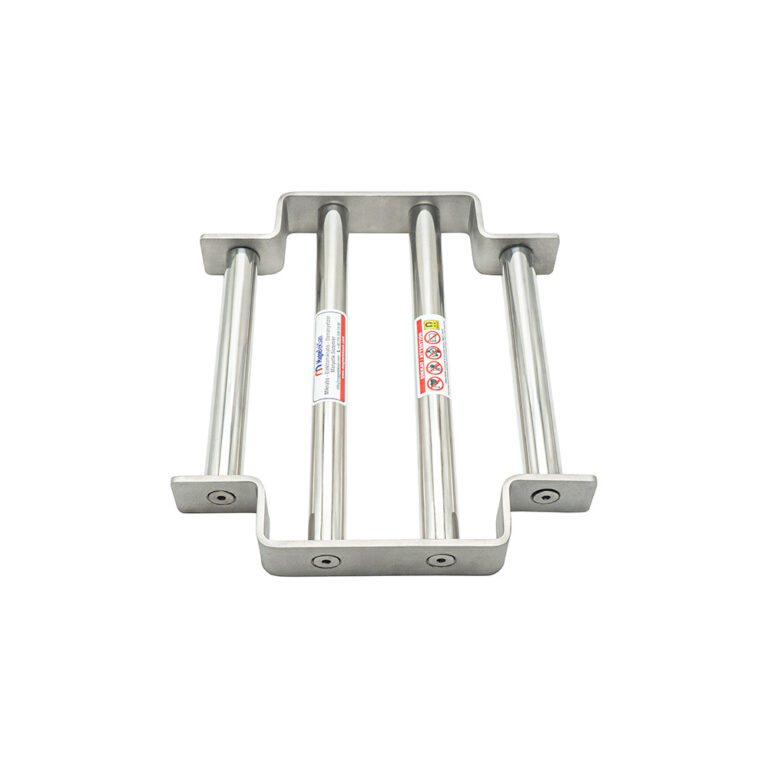
Magnetic bars are frequently incorporated into grid-style magnetic separation systems.
In these assemblies, multiple bars may be arranged to increase the opportunity for ferromagnetic contaminants to pass near an active magnetic surface.
The Ø25×520 mm bar can be considered as a component in a suitably designed grid assembly.
Bar spacing, support design, material flow distribution and accessibility for cleaning should be determined according to the application.
15. Installation in Material Chutes
Material chutes are common transfer points in pellet manufacturing.
A magnetic bar may be installed in a chute-based separation assembly where the flowing material can pass close to the active magnetic surface.
The location should allow access for inspection and cleaning.
Care must be taken to prevent excessive material accumulation, bridging or flow obstruction around the installed bar.
16. Installation in Feeding Hoppers
Feeding hoppers can provide potential installation points for magnetic separation equipment.
The bar may be mounted within a specially designed magnetic assembly that exposes incoming material to the magnetic field.
The installation should not interfere with the intended feeding process.
Hopper geometry, material level and flow distribution can significantly influence magnetic separation performance.
17. Permanent Magnetic Operation Without Electricity
The Ø25×520 mm magnetic bar uses permanent neodymium magnets.
Unlike an electromagnet, it does not require electrical power to generate its magnetic field.
This can simplify integration into industrial systems where electrical switching of the magnetic field is unnecessary.
The magnetic attraction remains present during normal operation, so cleaning and handling procedures must account for the continuously active magnetic field.
18. Difference Between Magnetic Bars and Electromagnets
A permanent magnetic bar generates its magnetic field without electrical power.
An electromagnet generates a controllable magnetic field when its coil is energized.
For passive ferromagnetic contaminant capture in a wood pellet production line, a permanent magnetic bar may provide a practical solution.
Applications requiring electrically controlled attraction and release may require a different magnetic system.
19. What Types of Metal Can the Magnetic Bar Capture?
The magnetic bar is intended primarily for ferromagnetic contaminants.
These may include particles made from iron, carbon steel and other materials with suitable magnetic properties.
The ability to capture a particle depends on its composition, size, geometry and proximity to the magnetic field.
Not every metal is ferromagnetic, and magnetic separation should not be treated as a universal method of removing all metallic contamination.
20. Can It Capture Aluminium, Copper or Brass?
Aluminium, copper and brass do not respond to conventional permanent magnetic separators in the same way as iron or magnetic carbon steel.
Consequently, this magnetic bar should not be selected as a solution for reliably capturing those non-ferromagnetic materials.
Where removal of a broader range of metallic contaminants is required, additional detection or separation technologies may be necessary.
The correct approach depends on the contamination risk and the materials involved.
21. Can It Capture Stainless Steel Particles?
The magnetic properties of stainless steel vary according to alloy grade and metallurgical condition.
Some stainless steel grades exhibit significant magnetic attraction, while others are weakly magnetic or effectively nonmagnetic in the intended application.
Therefore, stainless steel contamination cannot be assumed to be removable solely because the separator uses strong neodymium magnets.
Testing with representative contaminants is recommended when stainless steel separation is a critical requirement.
22. Factors Affecting Magnetic Separation Efficiency
Magnetic separation efficiency depends on more than the nominal Gauss value.
Important factors include the magnetic properties and dimensions of the contaminant, distance from the magnetic surface, material flow rate, flow depth and separator geometry.
Material accumulation on the magnetic bar can also affect continued separation performance.
The complete installation should be evaluated under realistic production conditions.
23. Importance of Distance from the Magnetic Surface
Magnetic attraction generally decreases as the distance from the magnetic surface increases.
Ferromagnetic particles travelling close to the bar are more likely to experience useful magnetic attraction than particles moving farther away.
For this reason, magnetic separation assemblies should be designed to expose the material stream effectively to the active magnetic field.
The bar’s nominal magnetic field value does not guarantee capture at a particular distance.
24. Magnetic Bar Cleaning and Maintenance
During operation, captured ferromagnetic contaminants accumulate on the magnetic surface.
These contaminants should be removed at intervals appropriate to the material contamination level and production conditions.
Cleaning procedures should prevent collected particles from falling back into the product stream.
Personnel should also account for magnetic attraction during handling, particularly when working near steel tools or other ferromagnetic components.
25. Why Is Regular Inspection Important?
Regular inspection helps determine whether the magnetic bar remains correctly mounted and suitable for continued use.
Inspection may include checking the mounting connections, physical condition, cleanliness and accumulated contamination.
The inspection frequency should reflect the operating environment and contamination risk.
A documented maintenance procedure can support consistent operation of the magnetic separation system.
26. Selecting a Magnetic Bar for Pellet Production
Selecting a magnetic bar requires consideration of the production line rather than only the nominal magnetic strength.
Relevant factors include material type, particle size, flow rate, chute or hopper dimensions, installation space and the contaminants that must be captured.
The Ø25×520 mm N38 magnetic bar with a specified 10,000 Gauss field may be suitable for applications where its dimensions and magnetic performance match the process requirements.
Representative testing is recommended before finalizing a critical industrial separation installation.
27. Custom Magnetic Separation Systems
Some pellet production lines require more than a single magnetic bar.
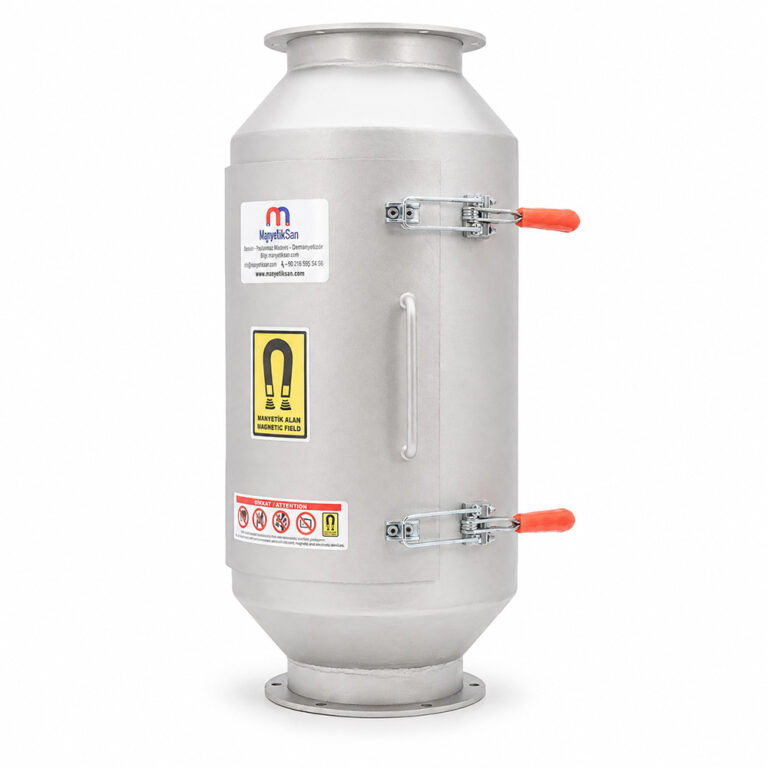
Depending on the material flow and contamination risk, an application may benefit from multiple magnetic bars or a specially designed separator housing.
The arrangement should be selected to provide appropriate exposure to the magnetic field while maintaining the required material throughput.
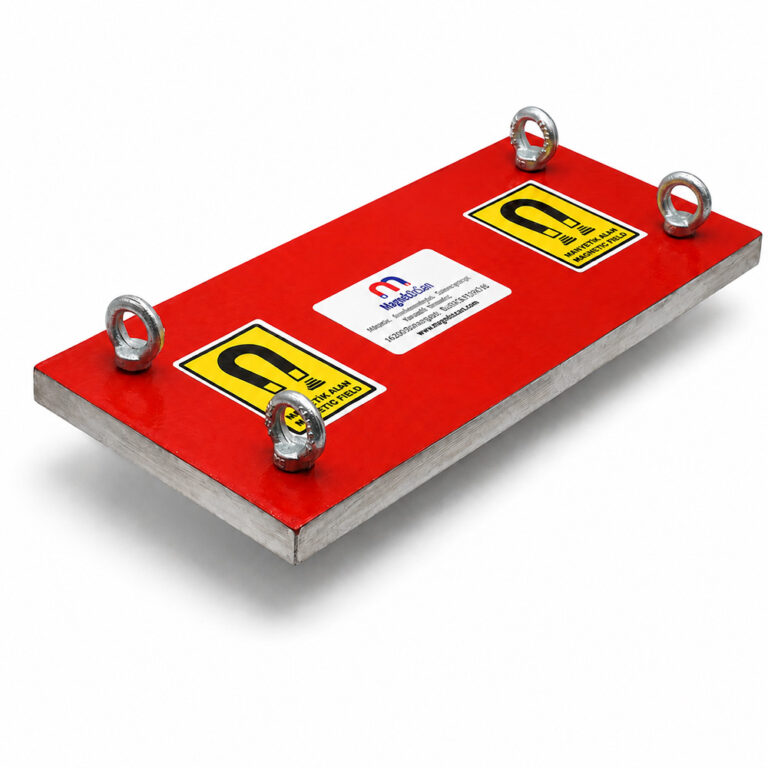
Custom solutions may incorporate magnetic grids, mounting frames, access covers or other application-specific components.
28. Magneteksan – Magnetic Separation Solutions for Wood Pellet Production
Magneteksan develops magnetic separation solutions for industrial production processes, including wood pellet manufacturing, sawdust handling and wood chip processing.
The Ø25×520 mm N38 Neodymium Magnetic Bar combines a specified magnetic field of 10,000 Gauss with a compact cylindrical design and M10 female threaded connections at both ends.
Its permanent magnetic operation enables the capture of suitable ferromagnetic contaminants without an electrical power supply.
When integrated into a properly designed separation assembly, it can help reduce metal contamination and protect downstream equipment in wood pellet production lines.
Magneteksan can also evaluate custom magnetic separation configurations based on the material characteristics, equipment dimensions and operating requirements of the production process.
Contact Magneteksan for technical consultation or a quotation for your wood pellet magnetic separation application.