
Product Information
Extra Information
Product Information
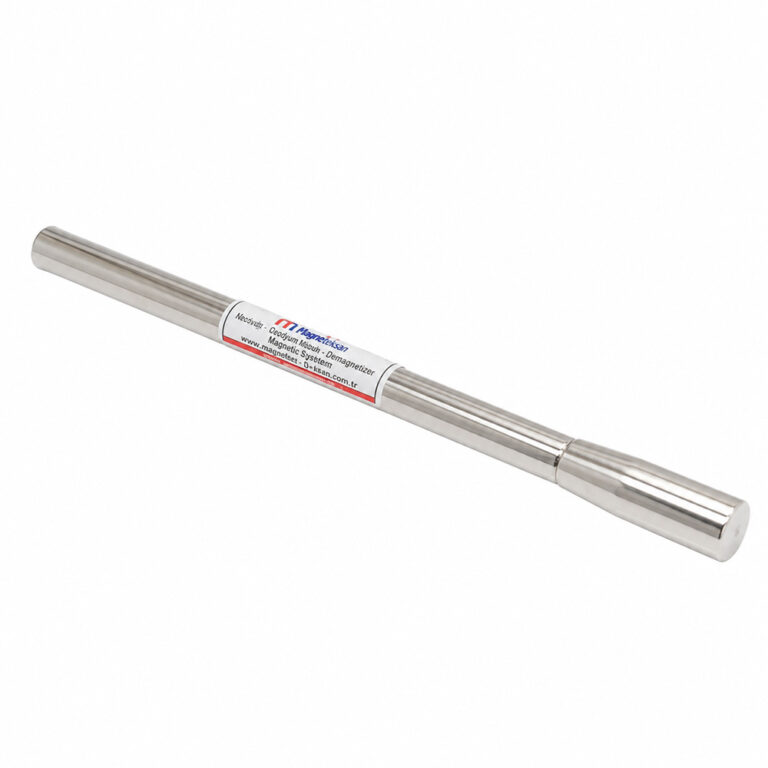
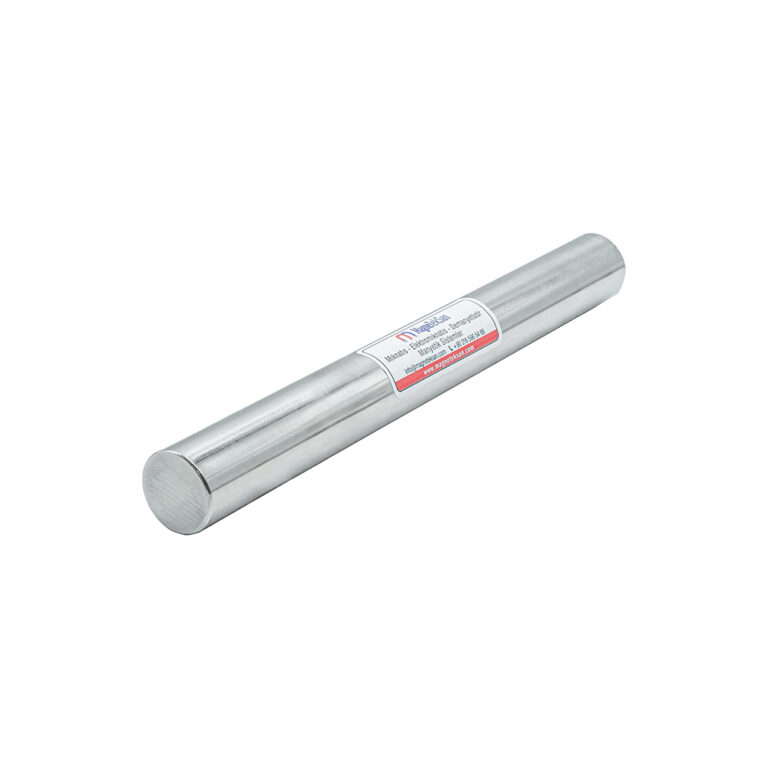
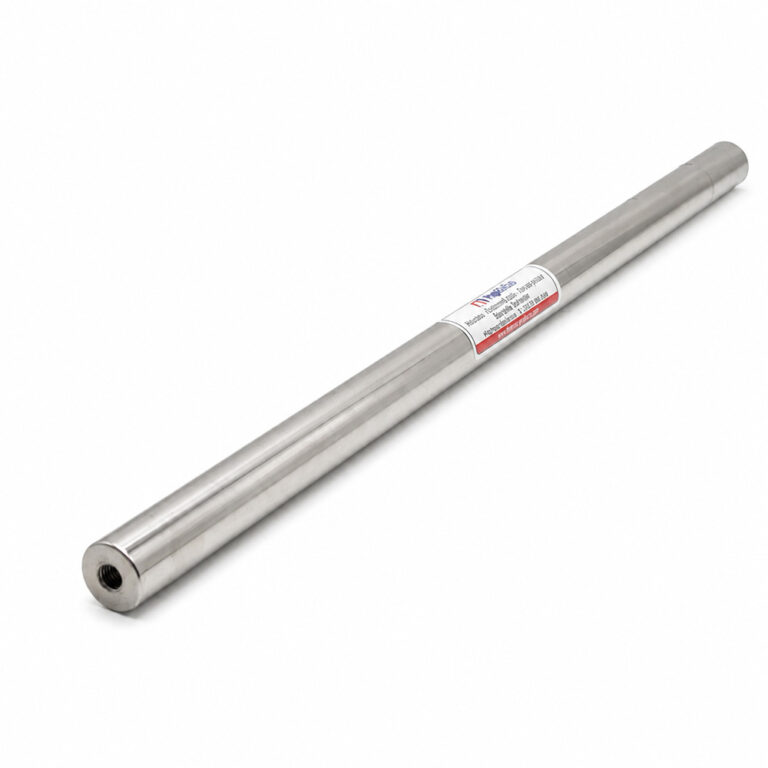
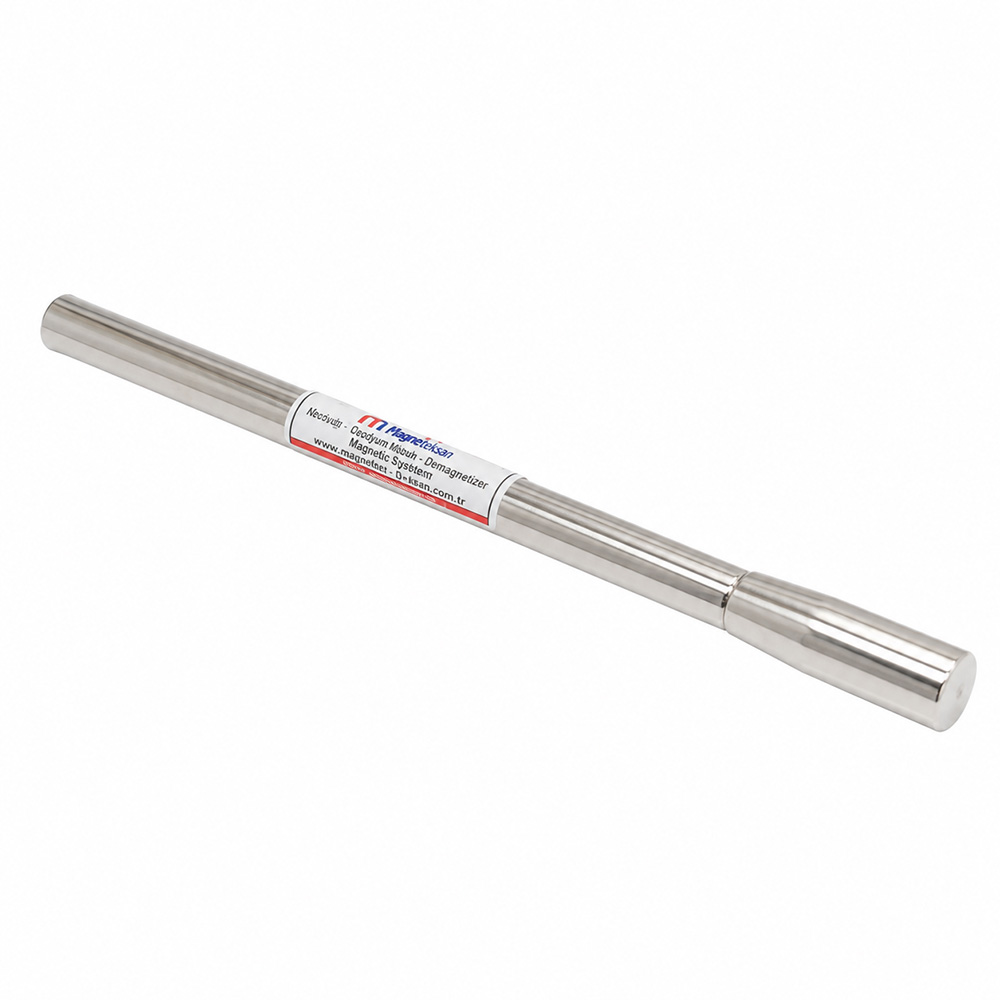
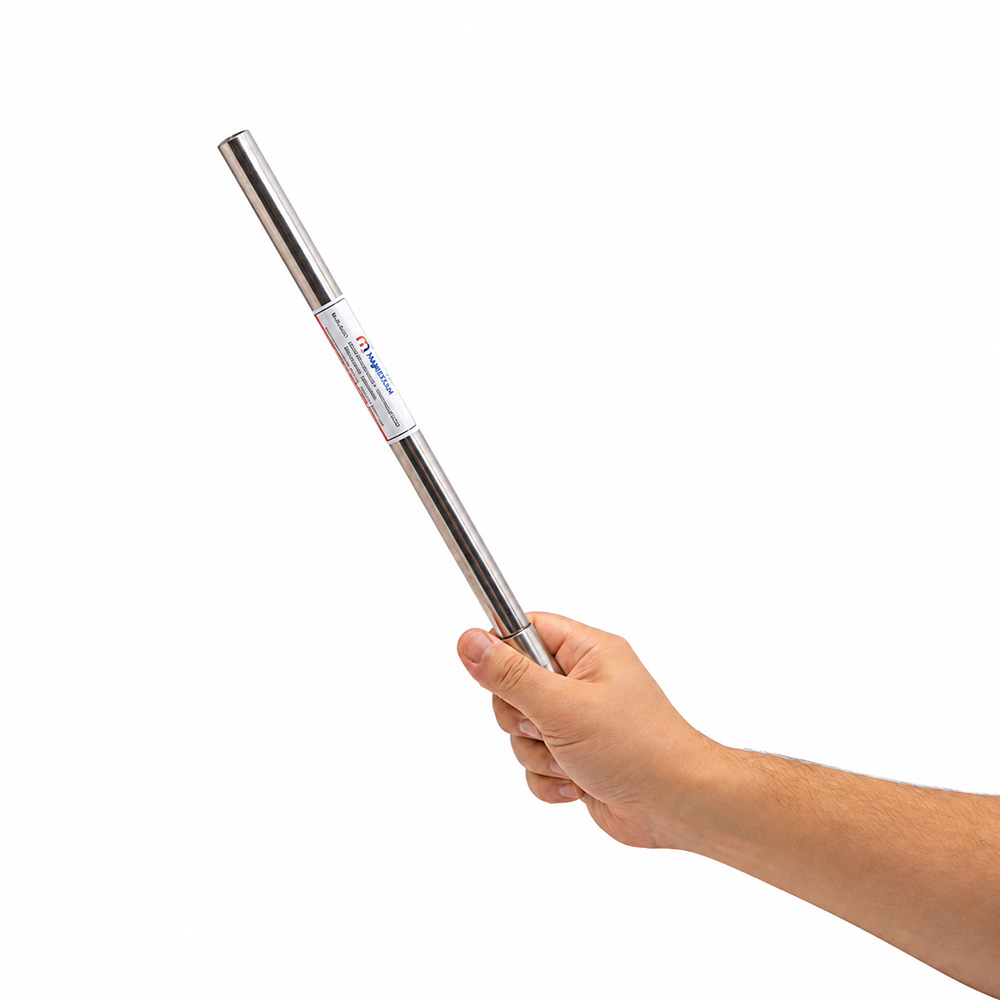
The Ø18×290 mm N32 Neodymium Magnetic Inspection Rod is designed for manual ferromagnetic particle checks in flour samples collected from flour milling operations. Its permanent N32 neodymium magnets are enclosed in an AISI 304 stainless steel housing, with a single-ended stainless steel handle for convenient handling during quality control procedures. The rod helps operators examine samples for magnetically responsive contamination without requiring electricity or installation as an in-line magnetic separator.
| Technical Specification | Description |
|---|---|
| Product Type | Magnetic inspection rod |
| Primary Application | Flour mill quality control |
| Rod Dimensions | Ø18×290 mm |
| Rod Diameter | 18 mm |
| Rod Length | 290 mm |
| Magnet Material | Neodymium (NdFeB) |
| Magnet Grade | N32 |
| Outer Housing | AISI 304 stainless steel |
| Handle Material | Stainless steel |
| Handle Configuration | Single-ended |
| Inspection Material | Flour samples |
| Target Contamination | Suitable ferromagnetic particles |
| Operating Method | Manual magnetic inspection |
| Magnetic System | Permanent magnets |
| Electrical Requirement | None for magnetic operation |
| Typical Users | Flour mills and food quality control personnel |
Extra Information
1. Ø18×290 mm N32 Magnetic Inspection Rod for Flour Mills
The Ø18×290 mm N32 Neodymium Magnetic Inspection Rod is a manually operated inspection tool developed for checking flour samples for the presence of suitable ferromagnetic particles.
It is intended for use in flour milling environments where product sampling and contamination checks form part of routine quality control procedures.
The rod combines permanent neodymium magnets, an AISI 304 stainless steel outer housing and a single-ended stainless steel handle.
Unlike a fixed magnetic separator installed in a processing line, this product is used directly by an operator to inspect collected samples.
2. Magnetic Inspection in Flour Milling
Flour production involves several processing stages, including raw material handling, cleaning, milling, conveying and packaging.
During these operations, ferromagnetic particles may be introduced through raw materials or originate from wear, maintenance activities and metal components within the production environment.
A magnetic inspection rod provides a practical method for checking collected flour samples for magnetically responsive contamination.
It can be incorporated into a documented quality control process alongside other inspection and preventive measures.
3. Purpose of Manual Flour Sample Inspection
Manual sample inspection is used to examine a selected quantity of flour under controlled conditions.
The magnetic inspection rod is brought into contact with or moved through the sample according to the facility’s established inspection procedure.
Suitable ferromagnetic particles may be attracted to the stainless steel surface of the rod by the permanent magnets inside it.
Any particles collected should be examined and documented according to the facility’s quality control requirements.
4. Ø18 mm Rod Diameter
The magnetic inspection rod has a nominal diameter of Ø18 mm.
This compact diameter makes it suitable for manual manipulation within appropriately sized flour samples and inspection containers.
The diameter is an important consideration when selecting sample containers and determining how the operator will move the rod through the material.
The nominal rod diameter does not, by itself, establish a guaranteed magnetic capture distance or contamination detection limit.
5. 290 mm Rod Length
The rod has a nominal length of 290 mm.
Its elongated configuration allows the operator to position and move the magnetic inspection surface within the sample.
The appropriate inspection technique depends on the sample quantity, container geometry and the facility’s written procedure.
The stated length should not be interpreted as a confirmed active magnetic length unless separately established through technical documentation.
6. N32 Neodymium Magnet Grade
The internal magnetic system uses N32-grade neodymium magnets.
Neodymium magnets belong to the NdFeB family of permanent magnetic materials and are widely used in industrial magnetic equipment.
The N32 designation identifies a magnet material grade, rather than a direct measurement of the magnetic field at the finished rod surface.
Surface Gauss, magnetic holding force and particle capture performance cannot be determined reliably from the grade designation alone.
7. Permanent Magnetic Operation
The rod operates using permanent magnets enclosed within its stainless steel housing.
The magnetic field is continuously present and does not require electrical activation.
When suitable ferromagnetic material approaches the rod, magnetic attraction may cause the material to adhere to the inspection surface.
Because the magnetic field remains active, care is required during cleaning, handling and storage.
8. AISI 304 Stainless Steel Housing
The outer housing of the magnetic inspection rod is made from AISI 304 stainless steel.
This material is commonly used in industrial and food-processing equipment because of its corrosion resistance and cleanable surface.
The stainless steel housing provides a physical barrier between the internal magnets and the inspected flour sample.
Its condition should be checked regularly for damage, cracks, deformation or surface defects that could compromise the inspection process.
9. Single-Ended Stainless Steel Handle
The product includes a stainless steel handle positioned at one end of the rod.
The handle allows the operator to hold and control the inspection tool during sample examination.
A defined gripping point helps keep handling consistent and limits unnecessary contact with the inspection surface.
The handle and its connection to the rod should be inspected as part of routine equipment checks.
10. Inspection of Ferromagnetic Particles
The primary purpose of the rod is to attract suitable ferromagnetic particles that may be present in flour samples.
Potential target materials include small iron or carbon-steel fragments and other particles with sufficient magnetic response.
Whether a particle is collected depends on its magnetic properties, dimensions, shape, location within the sample and proximity to the rod.
The rod should not be described as capable of detecting or removing every type of metallic contamination.
11. Iron and Steel Contamination in Flour
Ferromagnetic contamination can arise from several potential sources within industrial processing environments.
Examples include wear from steel components, maintenance-related debris and metal particles introduced with incoming raw materials.
A magnetic inspection rod may help reveal the presence of suitable particles in a collected sample.
If contamination is found, the facility should follow its established procedures for investigating the source and determining the appropriate corrective action.
12. Difference Between Inspection and Separation
A magnetic inspection rod and an in-line magnetic separator serve different operational purposes.
An in-line separator is installed within a material flow path to capture suitable ferromagnetic contaminants during processing.
A magnetic inspection rod is used manually to examine a selected sample.
This product is therefore an inspection aid and should not be represented as a substitute for a correctly engineered magnetic separation system in the production line.
13. Quality Control Sampling Procedures
Reliable sample inspection begins with a defined sampling procedure.
The facility should establish where samples are collected, the sample quantity, inspection frequency and the method used to examine the material.
The magnetic rod can then be used consistently as part of that procedure.
Inspection findings should be recorded in accordance with the facility’s internal quality management requirements.
14. Sample Container Selection
The container used for magnetic inspection should be suitable for the flour sample and the inspection method.
Its dimensions must allow the rod to be moved safely and effectively through the sample.
The container should be clean and should not introduce additional contamination.
Container material, geometry and the amount of flour being examined can influence the ease and consistency of the inspection.
15. Manual Inspection Technique
During inspection, the operator moves the magnetic rod through or across the flour sample using a repeatable technique.
The objective is to expose suitable ferromagnetic particles to the magnetic field generated by the rod.
The inspection movement, duration and number of passes should be defined by the facility’s validated procedure rather than assumed from the product dimensions.
Care should be taken to avoid introducing contamination from the surrounding environment or from the inspection tool itself.
16. Examination of Collected Particles
If ferromagnetic particles adhere to the rod, they should be examined according to the facility’s contamination investigation procedure.
The presence of particles may indicate contamination in the inspected sample, but it does not automatically establish the contamination level of an entire production batch.
The quantity, appearance and nature of collected material may be relevant to subsequent investigation.
The findings should be assessed by authorized quality control personnel.
17. Recording Inspection Results
Documenting inspection results supports traceability and consistent quality control.
Relevant information may include the sample identification, collection point, inspection date, operator and observations.
When contamination is detected, the facility may also record the characteristics of the recovered particles and the actions taken.
The magnetic inspection rod provides a physical inspection method; recordkeeping remains part of the facility’s quality management system.
18. Use in Incoming Raw Material Checks
Flour mills may carry out quality checks on incoming raw materials before processing.
Where a suitable sample is collected, the magnetic inspection rod can be considered as one method for checking for ferromagnetic particles.
The sampling method must reflect the characteristics of the material being examined.
A result obtained from a limited sample should not be treated as proof that the entire delivery is free from contamination.
19. Use During Production Quality Checks
Samples may also be collected at selected stages of the milling process.
Manual magnetic inspection can help quality control personnel investigate whether suitable ferromagnetic particles are present in those samples.
The choice of sampling points depends on the process layout and the facility’s contamination risk assessment.
Inspection should complement, rather than replace, preventive maintenance and properly selected in-line separation equipment.
20. Use Before Packaging
Flour samples collected before packaging may be examined as part of a defined final product quality control procedure.
The inspection rod can be used to check the selected sample for suitable ferromagnetic particles.
Any finding should be assessed according to the facility’s product control and corrective action procedures.
A clean inspection result does not guarantee that all flour produced during the same period is free from metallic contamination.
21. Electrical Independence
The magnetic inspection rod does not require electricity to generate its magnetic field.
Its N32 neodymium magnets remain magnetically active without an external power source.
This makes the rod suitable for manual inspection stations where a powered magnetic system is not necessary for the intended task.
Electrical independence does not eliminate the need for safe handling, regular cleaning and controlled inspection procedures.
22. Cleaning After Inspection
The inspection rod should be cleaned after use in accordance with the facility’s approved hygiene and maintenance procedures.
Any collected metal particles must be removed carefully to avoid reintroducing contamination.
The rod’s magnetic field remains active during cleaning, so ferromagnetic debris may continue to be attracted to its surface.
Cleaning methods and materials should be compatible with the stainless steel housing and the complete rod assembly.
23. Hygiene and Food Processing Environments
The AISI 304 stainless steel housing makes the rod suitable for consideration in food-processing quality control applications.
However, material selection alone does not establish compliance with every food-contact regulation or hygiene requirement.
The complete assembly, including joints, surface finish and cleaning procedures, must be assessed against the facility’s applicable requirements.
The inspection tool should be maintained in a clean condition and stored to prevent contamination between uses.
24. Inspection and Maintenance of the Rod
Regular visual inspection helps maintain the condition of the magnetic inspection rod.
The operator should check the outer housing, handle and connection points for visible damage or abnormal wear.
The rod should be removed from use if damage could compromise hygiene, handling safety or inspection reliability.
Any formal magnetic performance verification should use an appropriate documented method and defined acceptance criteria.
25. Magnetic Performance and Gauss Values
The N32 magnet grade is a material designation and must not be confused with a measured surface magnetic field.
The finished rod’s magnetic performance depends on the magnet arrangement, housing geometry, wall thickness and other construction factors.
A verified Gauss value would require measurement at a specified location under defined conditions.
No unverified surface Gauss, pull force or guaranteed particle capture distance should be assigned to this product.
26. Limitations of Magnetic Sample Inspection
Magnetic inspection is selective and primarily addresses materials with sufficient ferromagnetic properties.
Aluminium, copper, brass and some grades of stainless steel may not respond adequately to the magnetic field.
Very small particles, particles embedded within material or particles that do not approach the rod sufficiently closely may also remain undetected.
For this reason, magnetic inspection should form part of a broader contamination control strategy rather than being treated as a universal detection method.
27. Integration into Flour Mill Quality Management
The inspection rod can be incorporated into a flour mill’s established quality control and contamination monitoring procedures.
Its role may include checking selected samples, investigating suspected contamination and supporting documented inspection activities.
The facility should determine the appropriate sampling frequency, inspection method, acceptance criteria and corrective actions.
Where relevant, the procedure can be integrated with the facility’s HACCP-based food safety management system.
28. Magneteksan Magnetic Inspection Solutions for Flour Mills
Magneteksan develops magnetic equipment for industrial applications, including solutions used in food production and quality control environments.
The Ø18×290 mm N32 Neodymium Magnetic Inspection Rod combines a compact inspection geometry, permanent neodymium magnets, an AISI 304 stainless steel housing and a single-ended stainless steel handle.
It is intended for manual examination of collected flour samples for suitable ferromagnetic particles, rather than continuous separation within a processing line.
For correct technical selection and implementation, the facility should evaluate the sampling procedure, inspection container, contamination characteristics, cleaning requirements, applicable hygiene standards and any magnetic performance verification requirements.