Product Information
Extra Information
Product Information
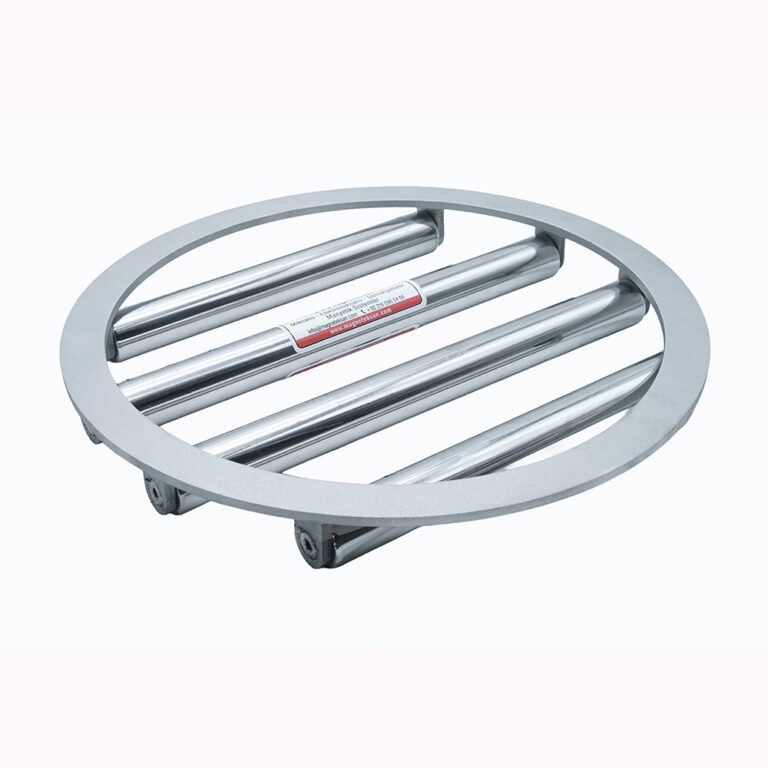
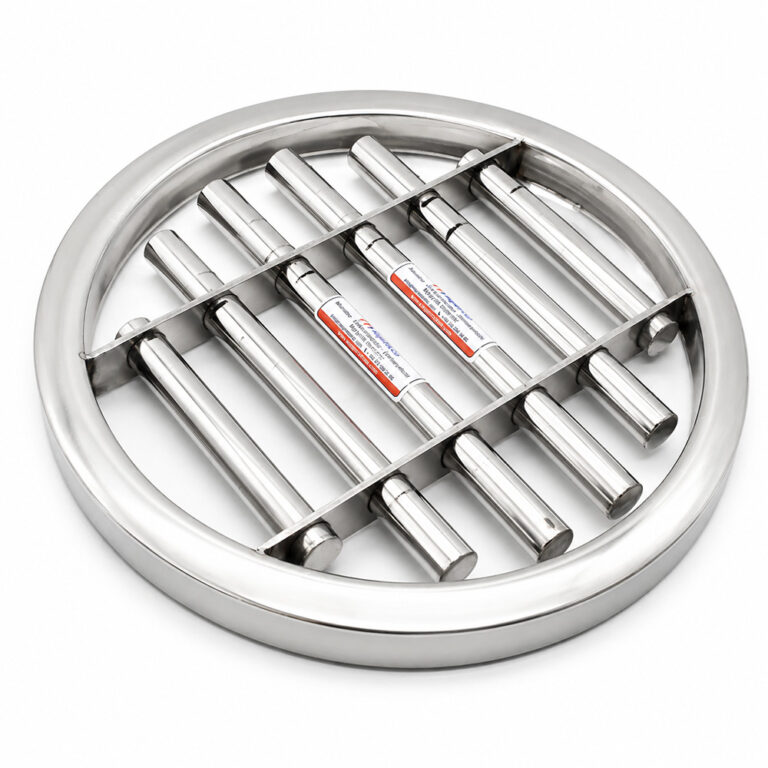
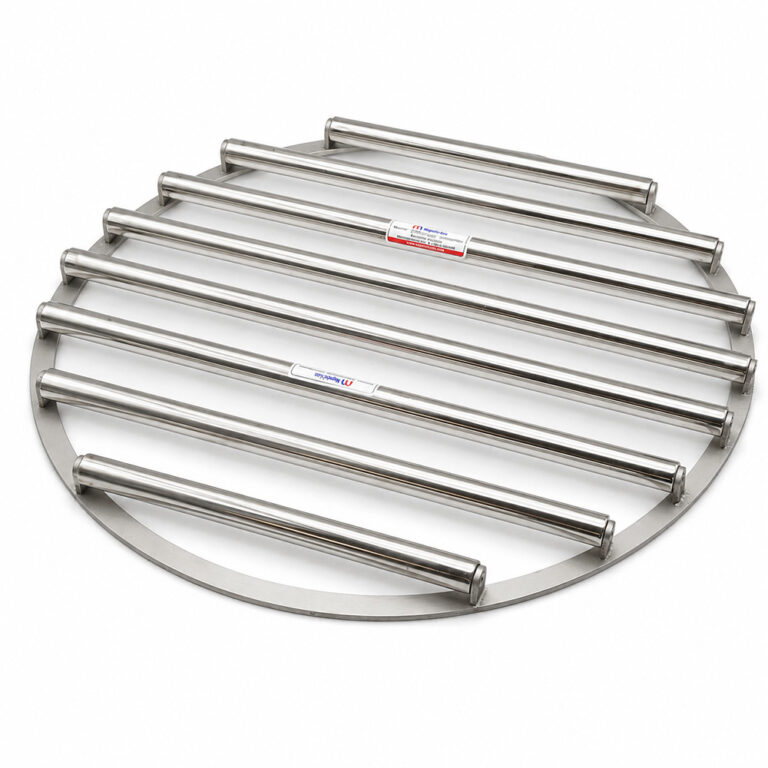
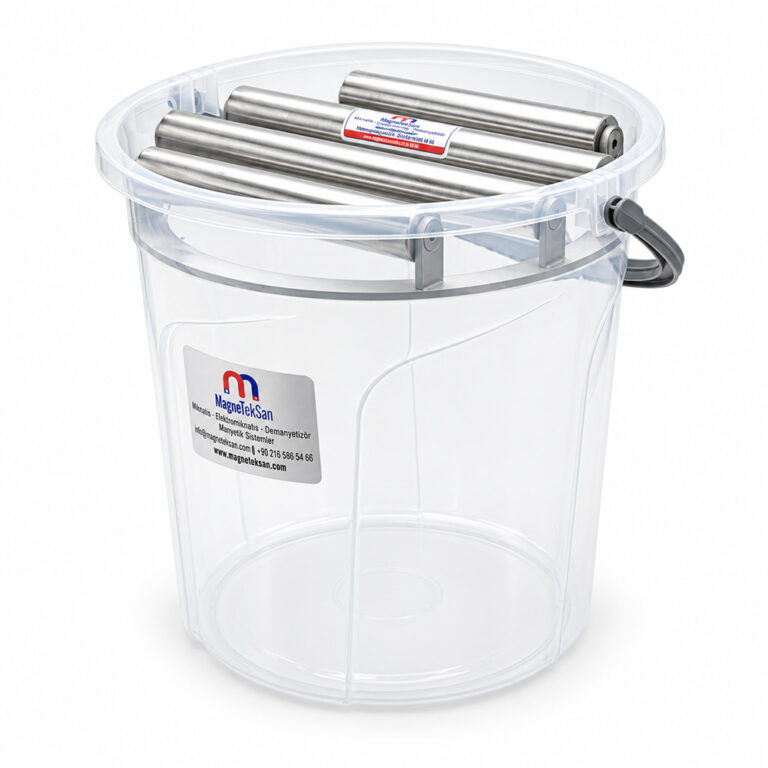
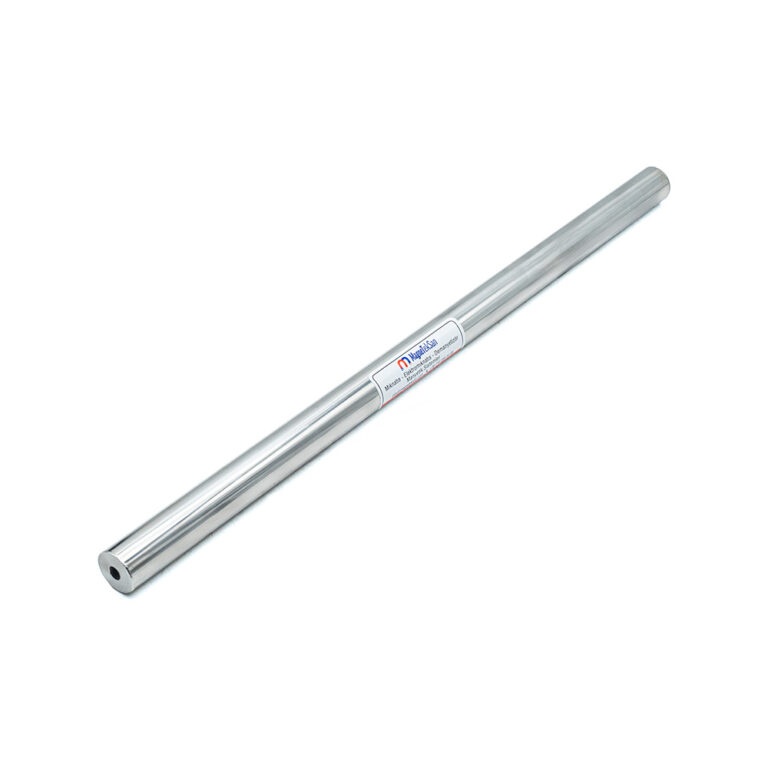
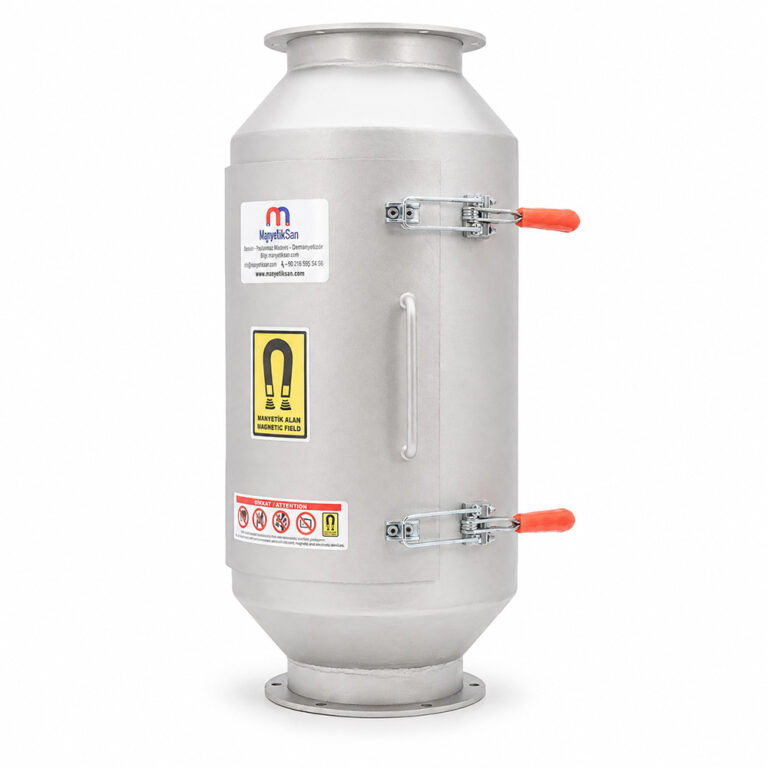
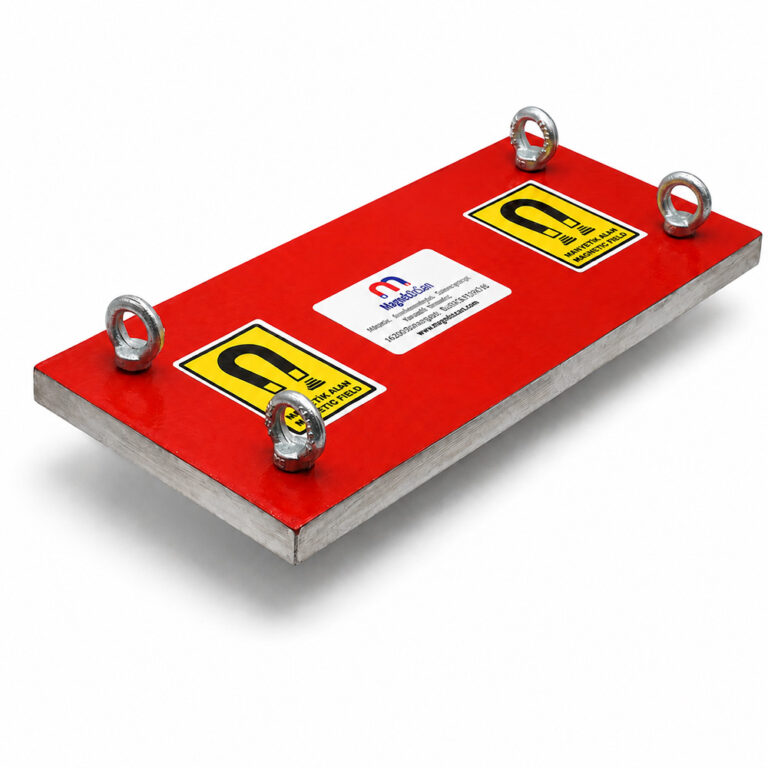
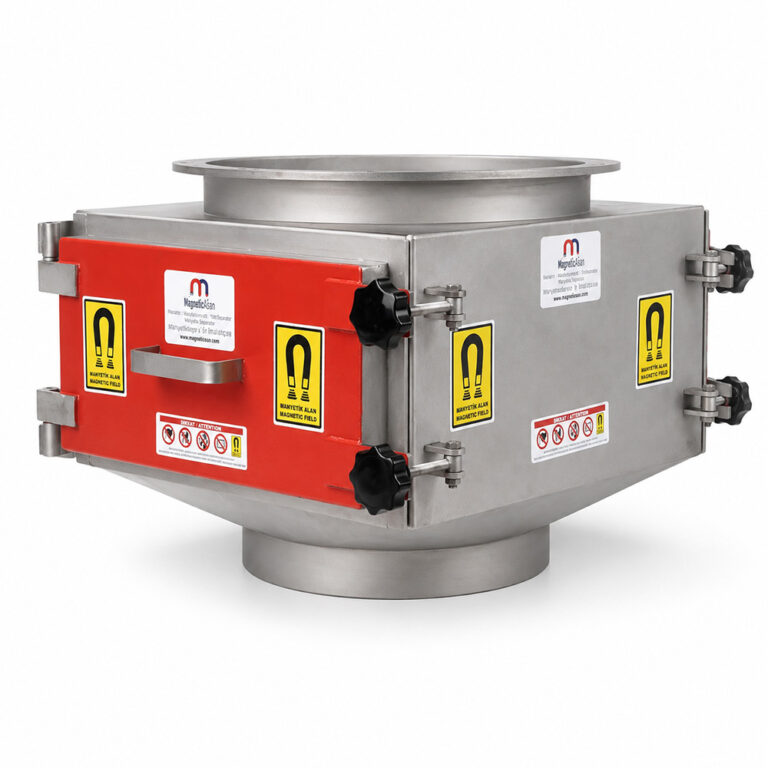
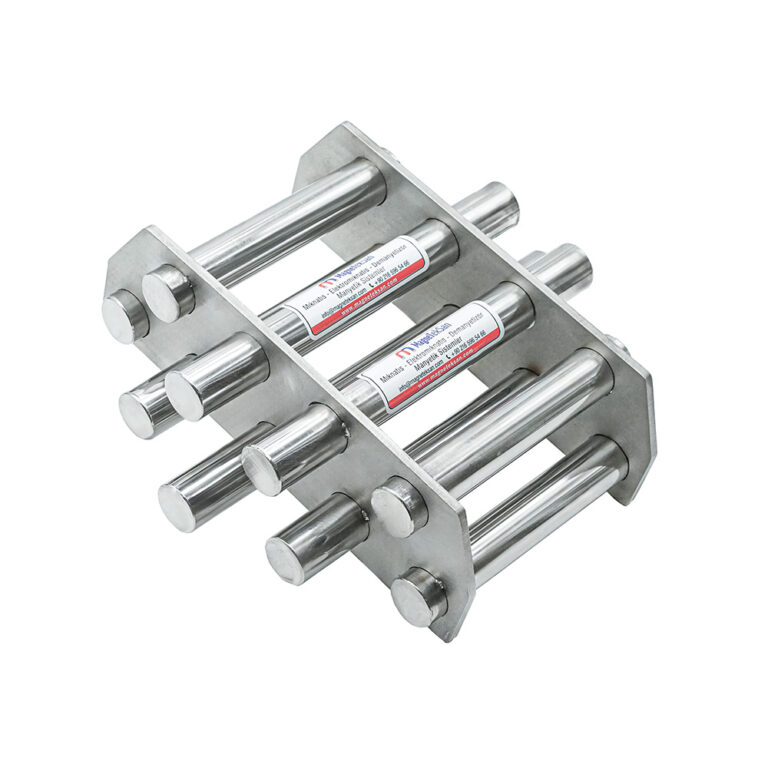
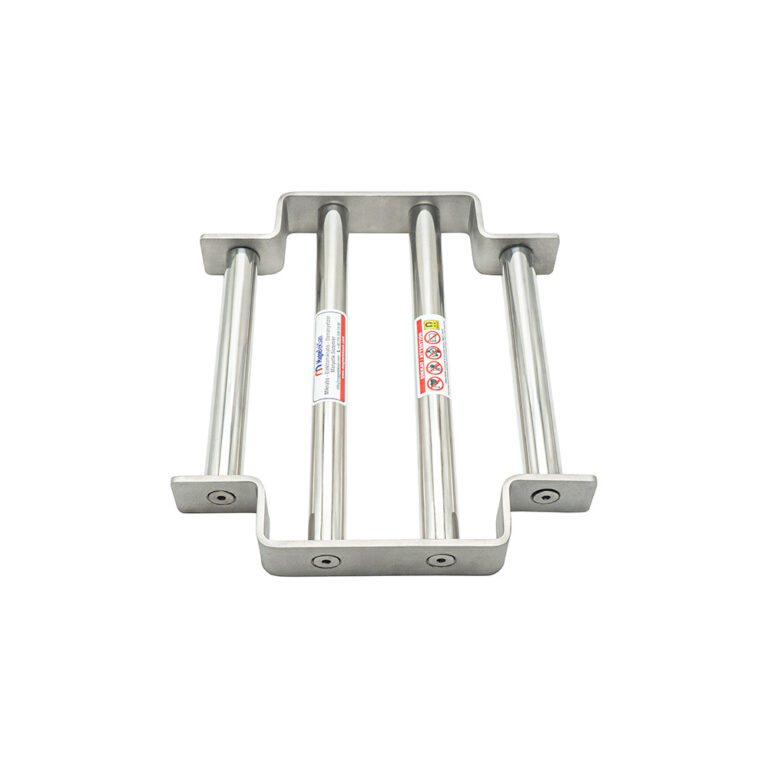
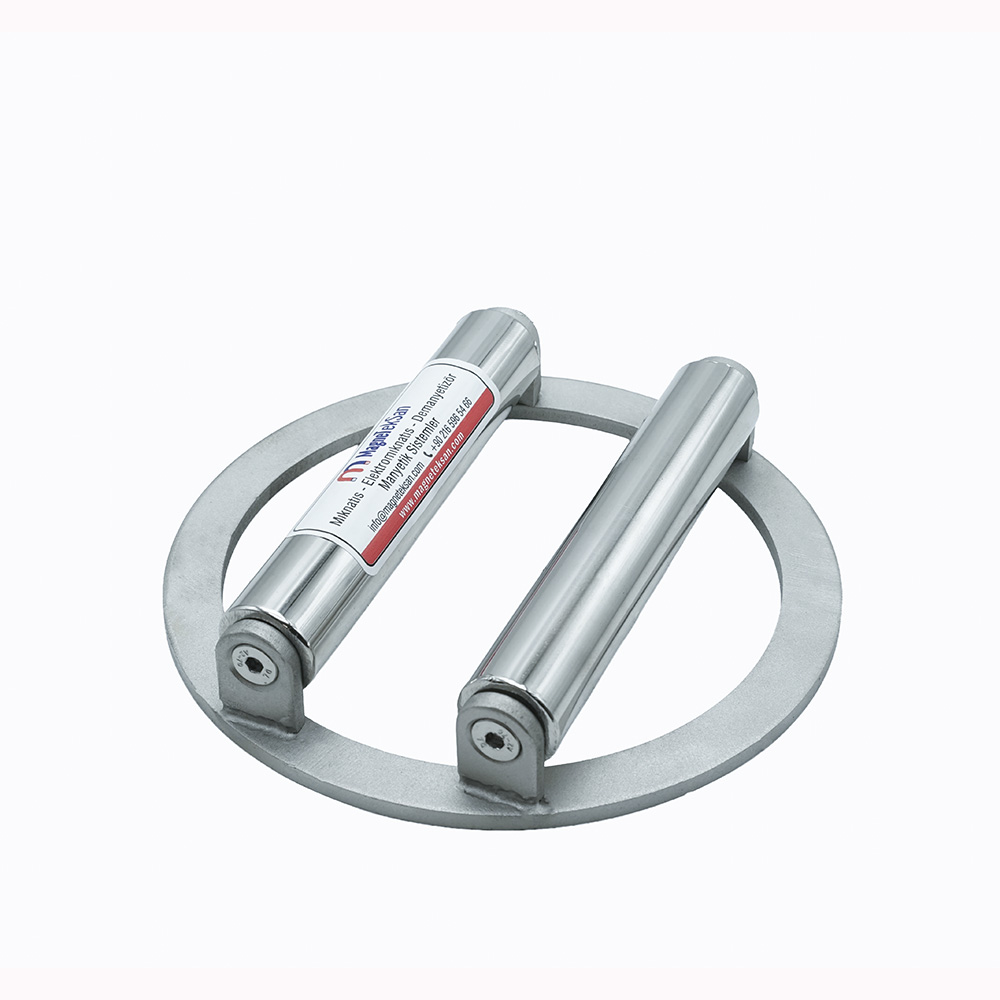
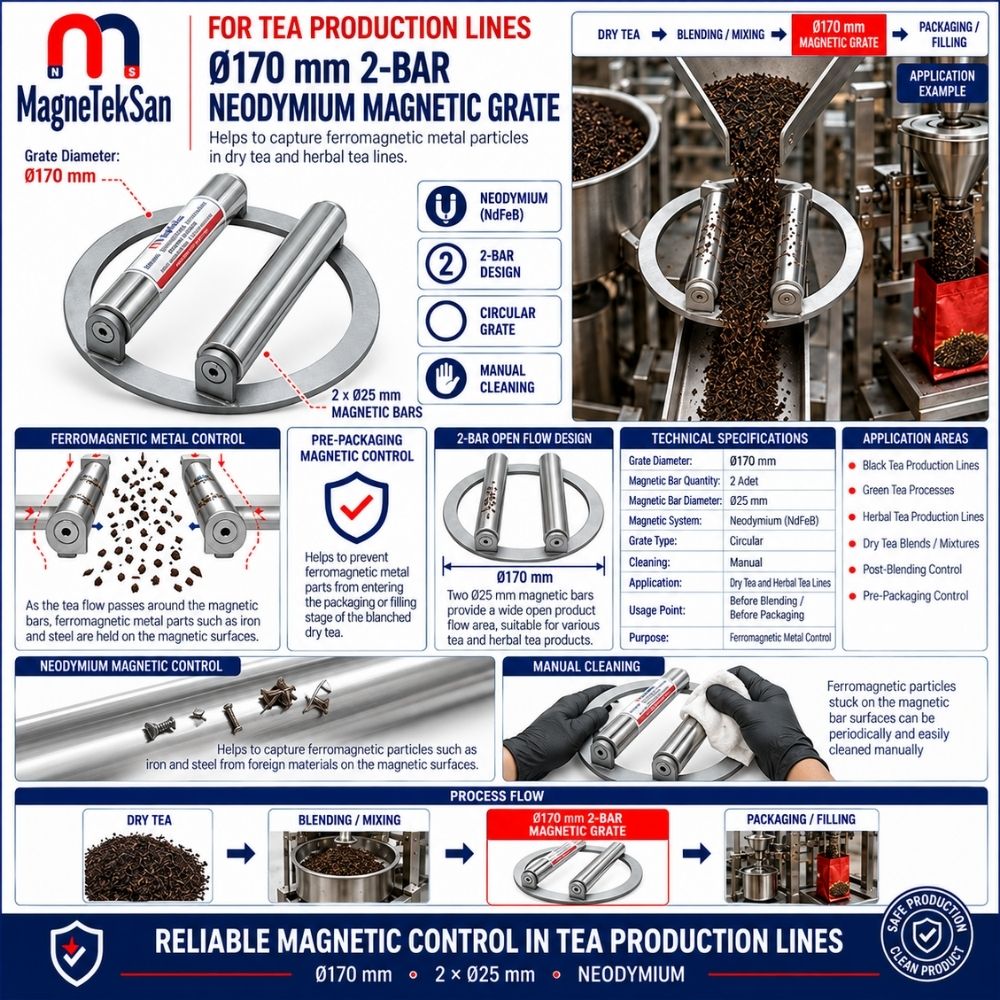
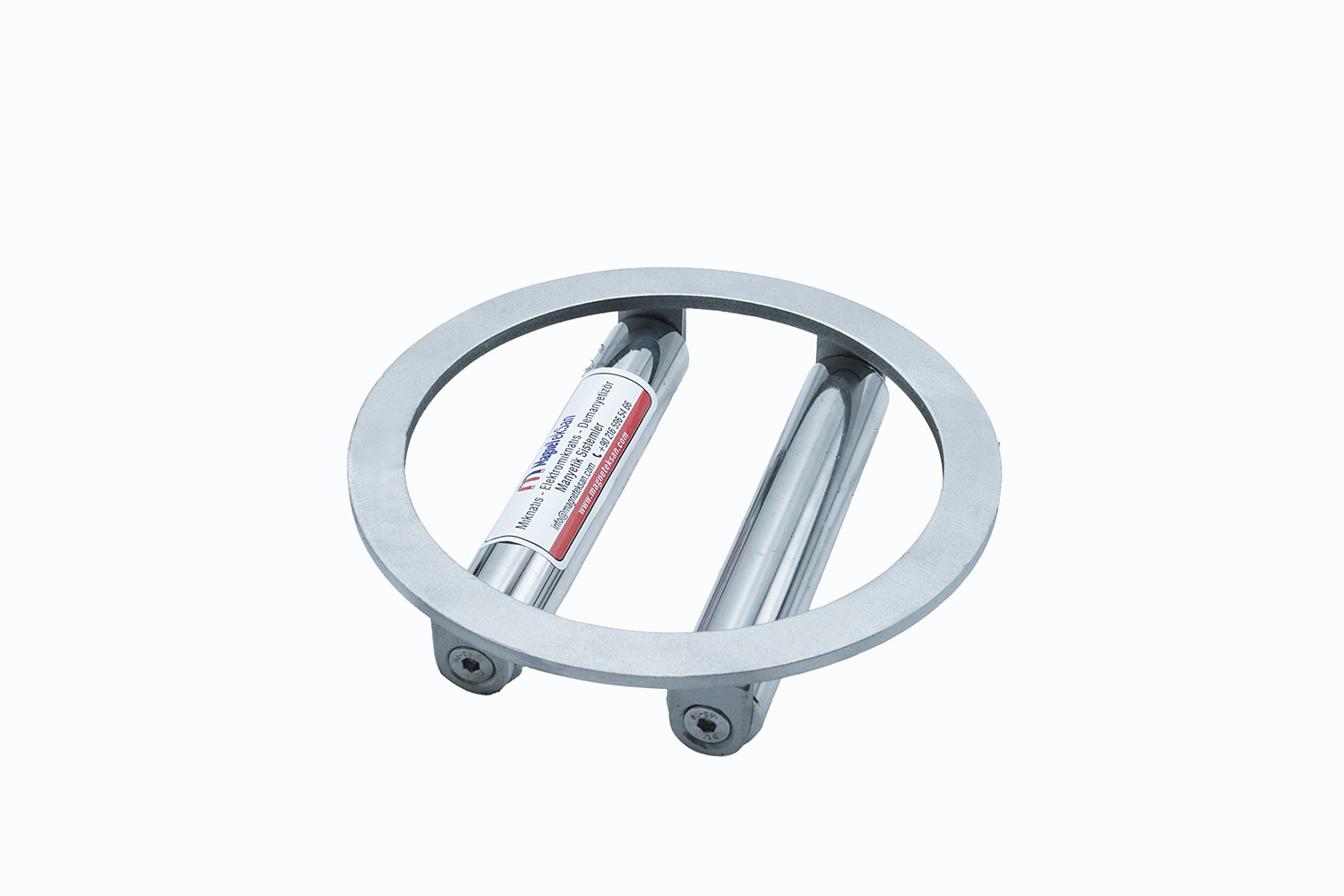
The Ø170 mm Neodymium Magnetic Grid is designed to help capture ferromagnetic metal particles from dry tea leaves, blended tea and suitable herbal tea products. Equipped with two Ø25 mm neodymium magnetic rods, it can be installed at appropriate product transfer points, particularly after blending and before packaging. Its compact round design provides open passages for suitable dry leaf materials while retaining attractable ferromagnetic contaminants on the magnetic rod surfaces.
| Technical Specification | Description |
|---|---|
| Product Type | Round Neodymium Magnetic Grid |
| Grid Outer Diameter | Ø170 mm |
| Number of Magnetic Rods | 2 |
| Magnetic Rod Diameter | Ø25 mm |
| Magnetic Material | Neodymium (NdFeB) |
| Grid Geometry | Round |
| Cleaning Method | Manual |
| Primary Application | Tea Production Lines |
| Suitable Products | Dry Tea and Herbal Tea |
| Recommended Installation | Before Packaging |
| Process Stage | After Tea Blending |
| Product Flow | Dry Tea Leaves and Herbal Materials |
| Target Contaminants | Ferromagnetic Metal Particles |
| Operating Principle | Permanent Magnetic Attraction |
| Electrical Power | Not Required |
| Main Function | Ferromagnetic Contamination Control |
Extra Information
1. Magnetic Grid for Tea Production Lines
The Ø170 mm Neodymium Magnetic Grid is designed to provide an additional ferromagnetic contamination control point in dry tea and herbal tea production lines.
Its two Ø25 mm neodymium magnetic rods help capture suitable iron and magnetic steel particles as dry tea materials pass through the grid.
The compact round construction can be considered for installation after tea blending and before the packaging stage.
2. Why Is Magnetic Separation Important in Tea Processing?
Tea production may involve drying, crushing, screening, grading, blending, conveying and packaging.
During these operations, tea materials can come into contact with processing equipment, conveyors and metal components.
Mechanical wear, damaged equipment or contaminated raw materials may introduce ferromagnetic particles into the product stream.
Magnetic separation provides an additional control measure at suitable stages of the production process.
3. Magnetic Contamination Control Before Packaging
The stage immediately before packaging is an important location for checking the product stream.
Installing a magnetic grid after blending allows the final tea mixture to pass through an additional magnetic control point before filling.
An example process arrangement is:
Dry Tea → Screening / Blending → Ø170 mm Magnetic Grid → Filling / Packaging.
The suitability of this arrangement depends on the actual equipment layout and product flow conditions.
4. Round Magnetic Grid with Ø170 mm Outer Diameter
The magnetic grid features a round construction with an outer diameter of Ø170 mm.
This geometry may be suitable for compatible circular chutes, hopper outlets, product transfer openings and packaging machine feed points.
Before installation, the actual mounting dimensions and available clearance should be verified.
5. Two Neodymium Magnetic Rods with Ø25 mm Diameter
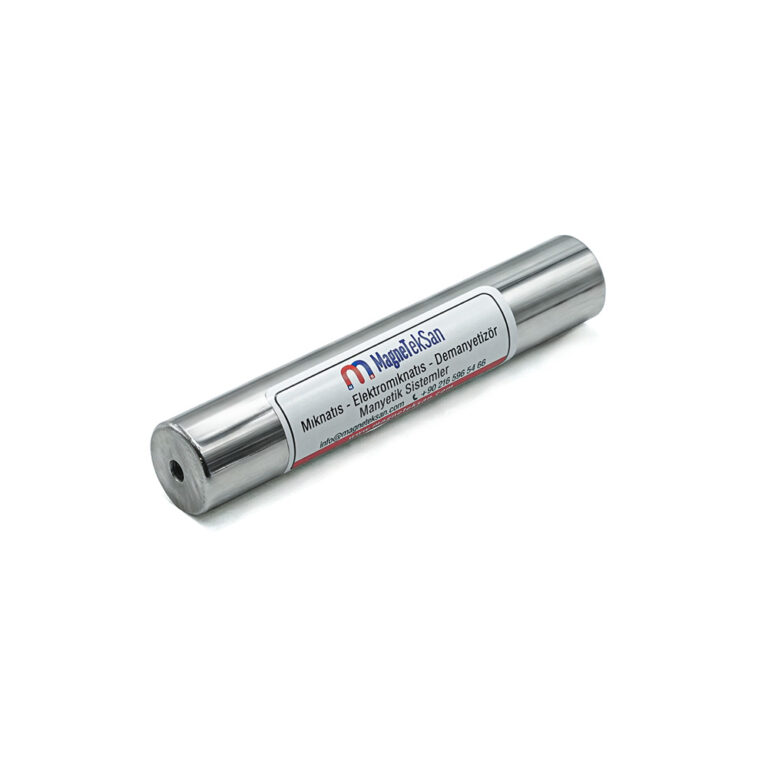
The grid contains two neodymium magnetic rods, each with a diameter of Ø25 mm.
These rods provide magnetic collection surfaces while leaving open passages for dry tea leaves and suitable herbal materials.
The two-rod arrangement may be beneficial where maintaining product passage area is an important design consideration.
6. Neodymium NdFeB Magnetic Technology
The magnetic system uses permanent neodymium-iron-boron (NdFeB) magnets.
These magnets generate a magnetic field without requiring continuous electrical power.
Ferromagnetic particles passing sufficiently close to the rods may be attracted and retained on their magnetic surfaces.
The actual capture performance depends on the contaminant properties and operating conditions.
7. How Does the Magnetic Grid Work?
Dry tea leaves or herbal materials pass through the open spaces between and around the magnetic rods.
Suitable ferromagnetic particles are attracted towards the magnetic surfaces, while the main tea product continues through the grid.
The magnetic grid is intended to capture ferromagnetic contaminants rather than retain the tea itself.
Its effectiveness depends on particle size, magnetic properties, distance from the rods and product flow characteristics.
8. Sources of Metal Contamination in Tea Production
Ferromagnetic metal particles can enter tea production lines from several sources.
Examples include worn processing equipment, small iron fragments, damaged steel components, wire pieces, fastening components and conveyor wear particles.
The purpose of the magnetic grid is to help reduce the transfer of suitable ferromagnetic contaminants to subsequent processing stages.
9. Which Ferromagnetic Metals Can Be Captured?
The magnetic grid is designed to attract suitable ferromagnetic contaminants such as iron particles, magnetic carbon steel fragments and magnetic steel wire pieces.
Capture performance varies according to the size, shape and magnetic properties of the metal particles.
The distance between the particles and magnetic rod surfaces is also an important factor.
10. Which Metals Are Not Reliably Captured?
Conventional permanent magnetic separators do not reliably capture non-ferromagnetic metals such as aluminium, copper and brass.
Some stainless steel grades may also have insufficient magnetic response for effective capture.
For this reason, the magnetic grid should not be described as a system that removes every type of metal contaminant.
11. Application in Black Tea Production
Black tea processing may involve drying, grading, blending, conveying and packaging.
A magnetic grid can be installed at an appropriate transfer point to help capture ferromagnetic contaminants before the final packaging stage.
The actual suitability depends on tea leaf size, moisture content, bulk density and product flow behaviour.
12. Application in Green Tea Processing
Green tea production lines may also benefit from an additional magnetic control point at a suitable stage.
The Ø170 mm magnetic grid can be considered for dry green tea materials where the installation geometry and flow characteristics are compatible.
Product testing may be necessary to confirm satisfactory passage through the grid.
13. Application in Herbal Tea Production
Herbal tea products may include dried mint, sage, chamomile, linden and various dried botanical mixtures.
These materials can have different leaf sizes, shapes and flow characteristics.
The two-rod magnetic grid may be suitable for selected herbal tea applications, provided the material can pass through the open grid structure without unacceptable accumulation.
14. Application in Blended Tea Production
Tea blending operations combine different tea grades, batches or botanical ingredients.
Installing the magnetic grid after the blending stage allows the combined product stream to pass through a common magnetic control point.
This arrangement may help manage ferromagnetic contamination before weighing, filling or packaging.
15. Magnetic Separation After Screening and Grading
Tea screening and grading operations separate materials according to particle or leaf size.
During these operations, products may pass through mechanical screens, vibrating equipment and metal handling components.
Where appropriate, a magnetic grid can be positioned downstream of these processes to provide additional ferromagnetic contamination control.
16. Installation After Tea Blending
Installing the magnetic grid after the tea blender is one of the main proposed applications for this product.
An example equipment arrangement is:
Tea Blender → Ø170 mm Magnetic Grid → Packaging Hopper → Filling Machine.
This configuration provides an additional magnetic control stage for the blended dry tea product.
The actual mounting arrangement must be evaluated according to the production line.
17. Installation at Hopper Outlets
The round magnetic grid may be considered for installation at compatible hopper outlets and gravity-fed product transfer points.
The Ø170 mm outer diameter provides a reference for evaluating possible mounting locations.
However, hopper dimensions, connection geometry, available space and required throughput must be checked before installation.
18. Installation at Packaging Machine Inlets
A magnetic grid can be installed upstream of a packaging machine where the mechanical design allows it.
This provides an additional opportunity to capture suitable ferromagnetic particles before tea enters the filling system.
The installation must maintain adequate product flow and safe access for cleaning.
19. Open Passage Design for Dry Tea Leaves
The two-rod configuration leaves a substantial portion of the grid opening available for product passage.
This can be useful when processing light, bulky or leafy materials that require sufficient open flow area.
However, the design does not guarantee blockage-free operation under all conditions.
Leaf dimensions, moisture, bulk density and material flow behaviour must be considered.
20. How Does Tea Leaf Size Affect Performance?
Tea products may contain whole leaves, broken leaves, fine particles or blended botanical ingredients.
Larger leaf materials may require sufficient space between magnetic rods to avoid accumulation.
Smaller particles may flow differently depending on their density, moisture and cohesion.
The grid should be evaluated using the actual tea material intended for processing.
21. Moisture Content and Product Flowability
Moisture content can affect the way tea leaves and dried botanical materials flow through processing equipment.
Materials with higher cohesion or a tendency to form bridges may accumulate around the magnetic rods.
This can reduce the available passage area and affect production flow.
The suitability of the grid should therefore be assessed under actual operating conditions.
22. How Does Product Flow Rate Affect Magnetic Separation?
The flow rate influences how long ferromagnetic particles remain within the effective magnetic field.
At higher flow rates, some particles may have less opportunity to approach the magnetic rod surfaces.
Product loading, flow direction and material distribution also influence capture conditions.
The magnetic grid should be selected with consideration of the actual production capacity rather than diameter alone.
23. Why Does This Model Use Two Magnetic Rods?
The Ø170 mm magnetic grid uses two Ø25 mm neodymium rods to provide magnetic collection surfaces while maintaining open passages.
For leafy and relatively bulky tea products, preserving sufficient product flow area can be important.
Increasing the number of rods may provide additional magnetic surfaces but can also reduce the free passage area.
The appropriate rod arrangement depends on the application and separation requirements.
24. Magnetic Grid vs. Metal Detector
A magnetic grid and a metal detector perform different functions.
The magnetic grid physically attracts and retains suitable ferromagnetic metal particles.
A metal detector electronically identifies detectable metal contamination and may be integrated with a rejection system.
Depending on the production process and quality requirements, both technologies can be used as complementary control measures.
25. Manual Cleaning Procedure
The Ø170 mm magnetic grid has a manually cleanable design.
Before cleaning, the production line must be safely stopped and secured against unintended restart.
The grid can then be removed from its installation point, and accumulated ferromagnetic particles can be cleaned from the rod surfaces using an appropriate method.
After cleaning and inspection, the grid can be reinstalled according to the applicable operating procedures.
26. Cleaning Frequency and Maintenance
The required cleaning frequency depends on the amount of ferromagnetic contamination, production volume, operating hours and material characteristics.
During initial operation, more frequent inspections can help establish an appropriate cleaning interval.
Regular removal of accumulated metal particles helps keep the magnetic collection surfaces accessible.
The rods and mounting arrangement should also be inspected as part of routine maintenance.
27. How to Select the Right Magnetic Grid for a Tea Production Line
Selecting a magnetic grid requires more than checking its outside diameter.
Important factors include the tea type, hourly production capacity, product transfer diameter, leaf size, flow direction, moisture content, contamination characteristics and available cleaning access.
The Ø170 mm two-rod design may be suitable for certain applications, while other production lines may require different diameters, rod arrangements or magnetic separator configurations.
The final selection should be based on the actual process requirements.
28. Magneteksan – Magnetic Separation Solutions for Tea Processing
Magneteksan develops magnetic separation solutions for dry tea processing, herbal tea production, blending operations and other industrial material handling applications.
The Ø170 mm Neodymium Magnetic Grid with two Ø25 mm rods can be considered as a compact ferromagnetic contamination control solution, particularly after blending and before packaging.
Depending on the production capacity, transfer opening and installation requirements, alternative grid dimensions, rod configurations and customised magnetic systems can also be evaluated.
Contact Magneteksan for technical consultation or a tailored quotation for your tea production line.