Product Information
Extra Information
Product Information
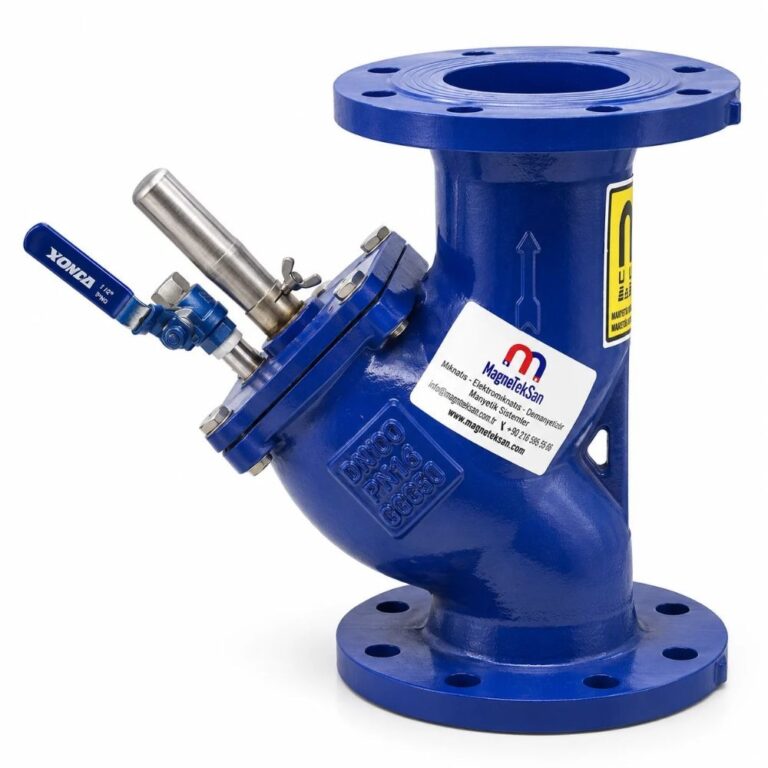
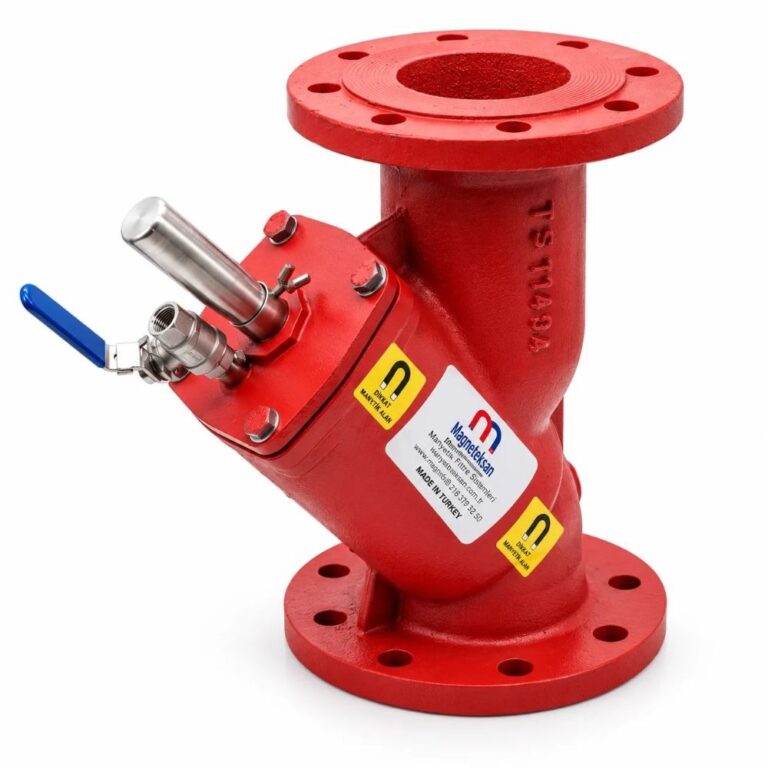
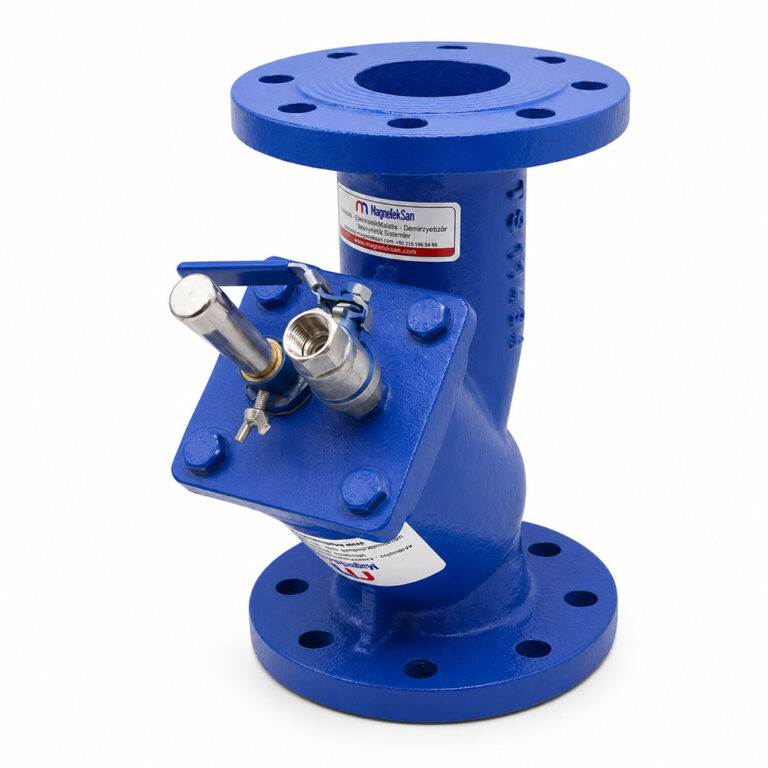
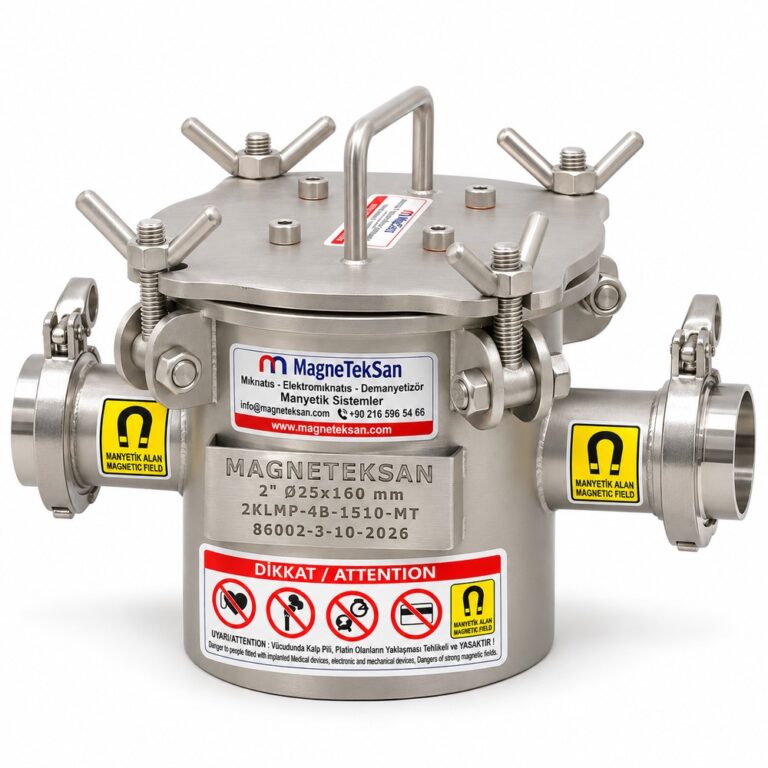
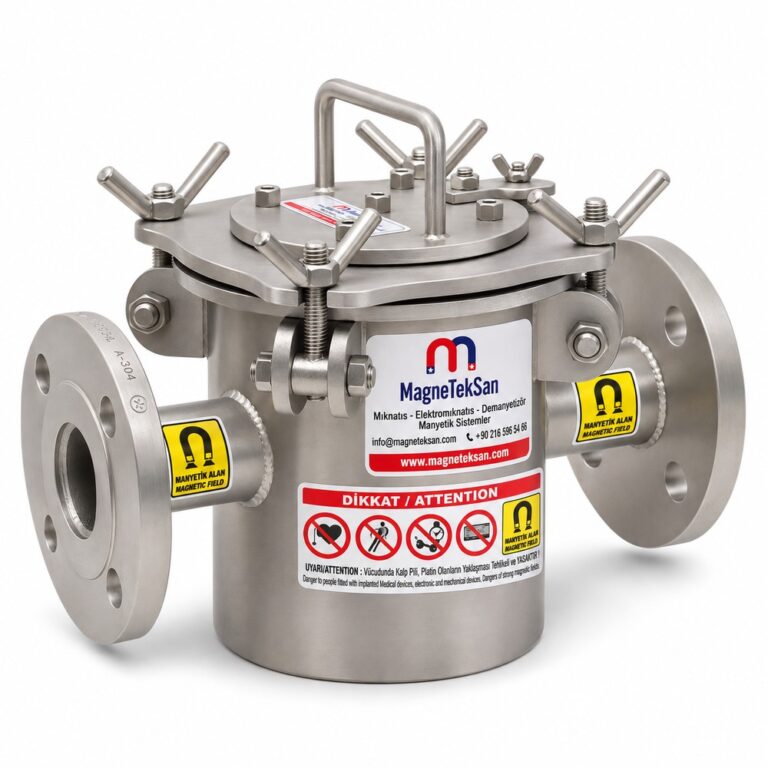
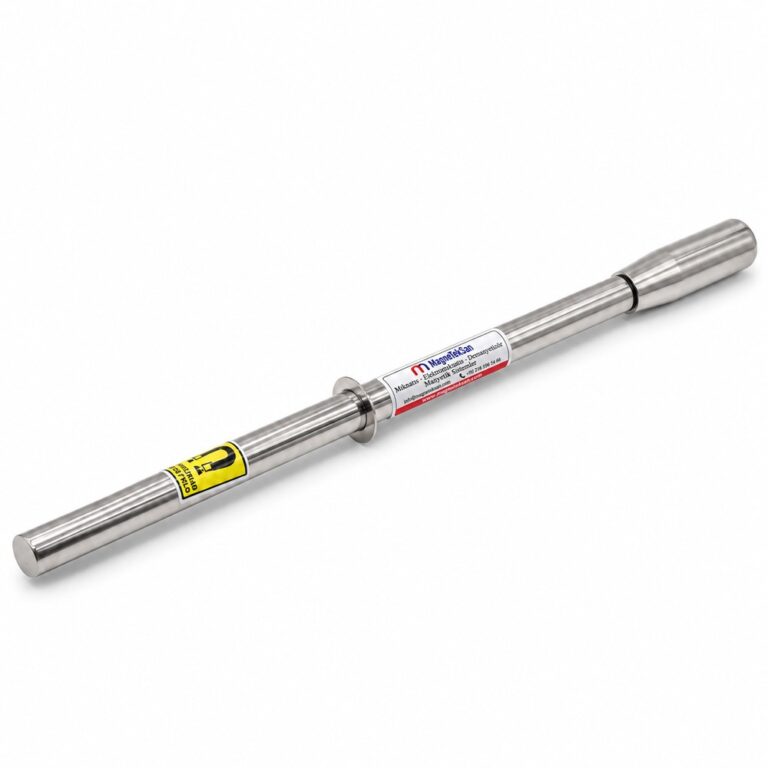
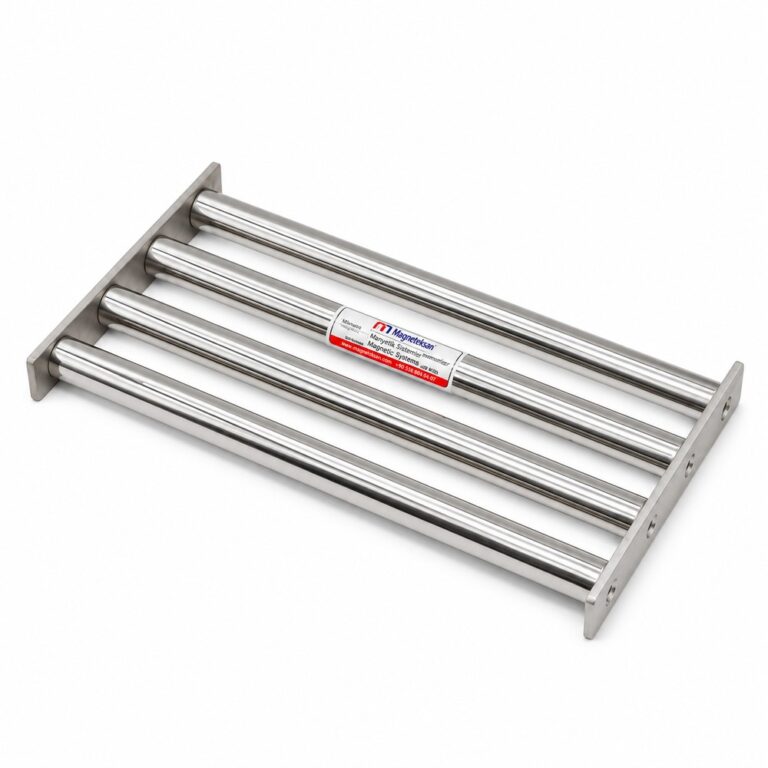
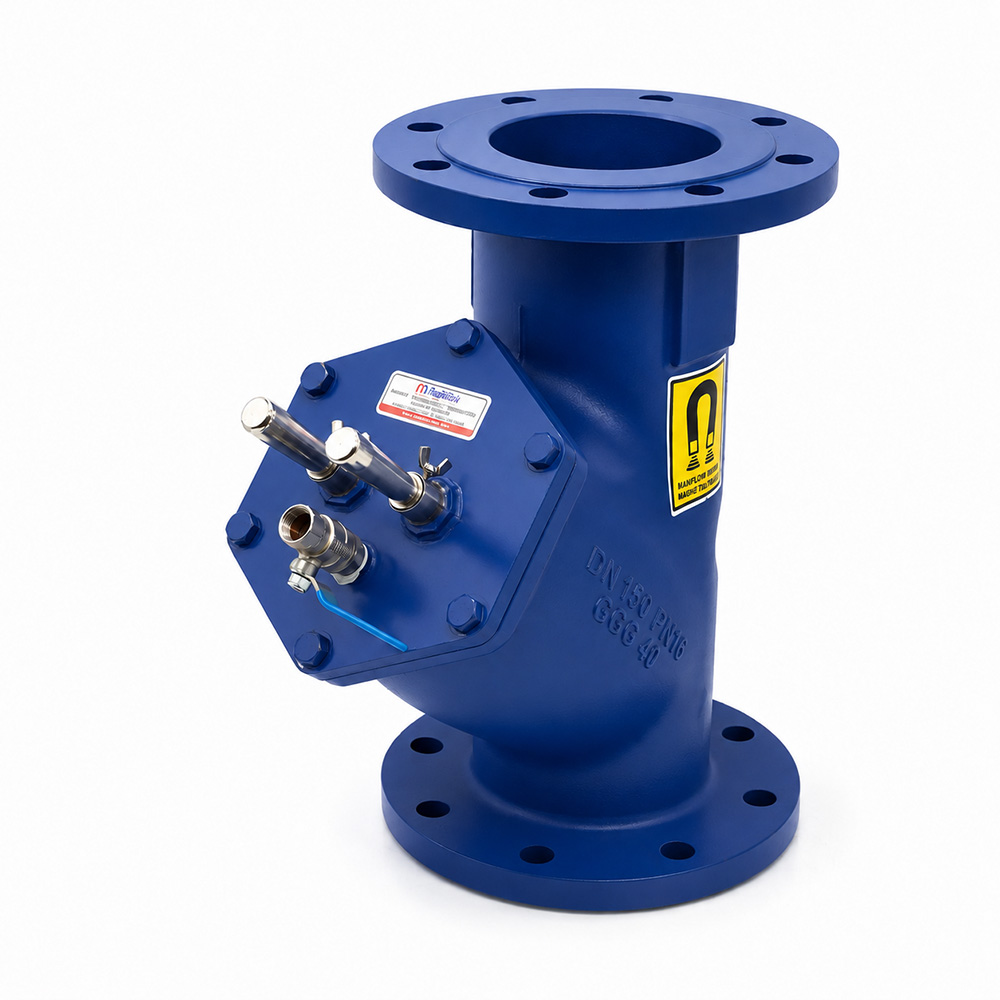
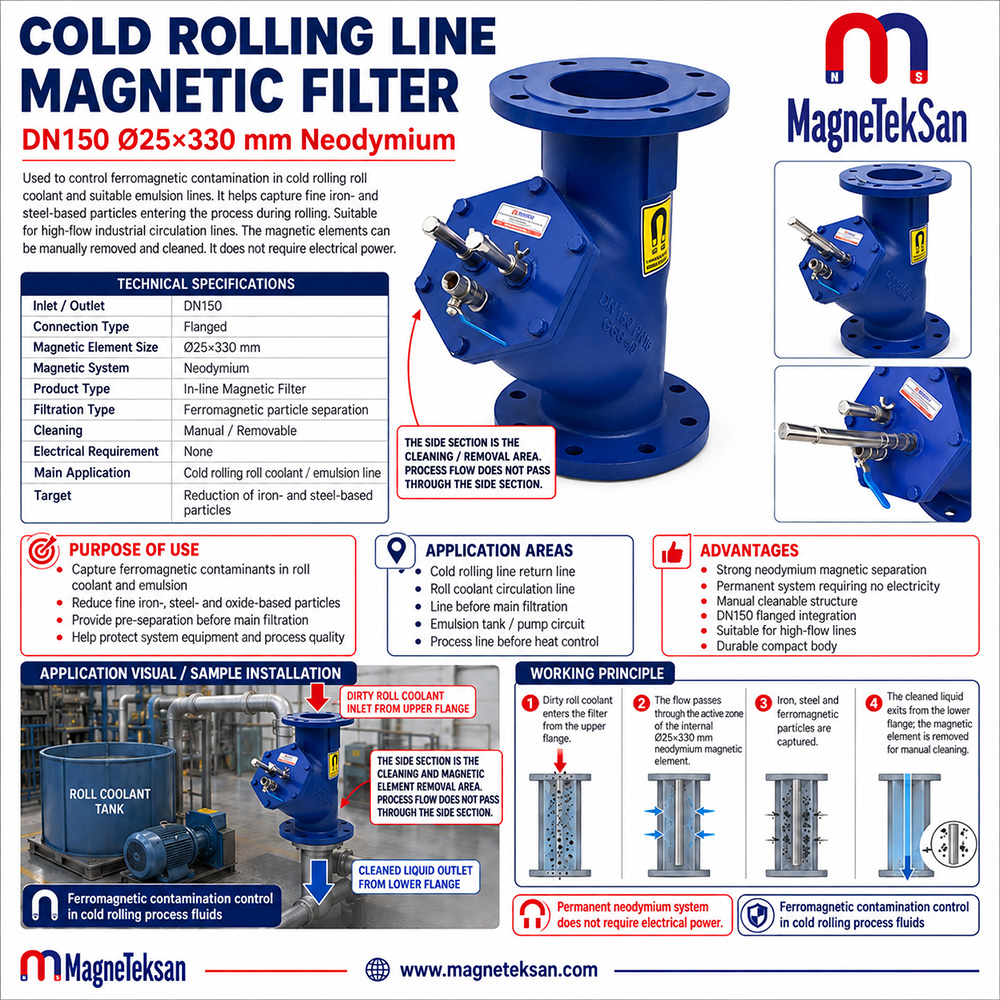
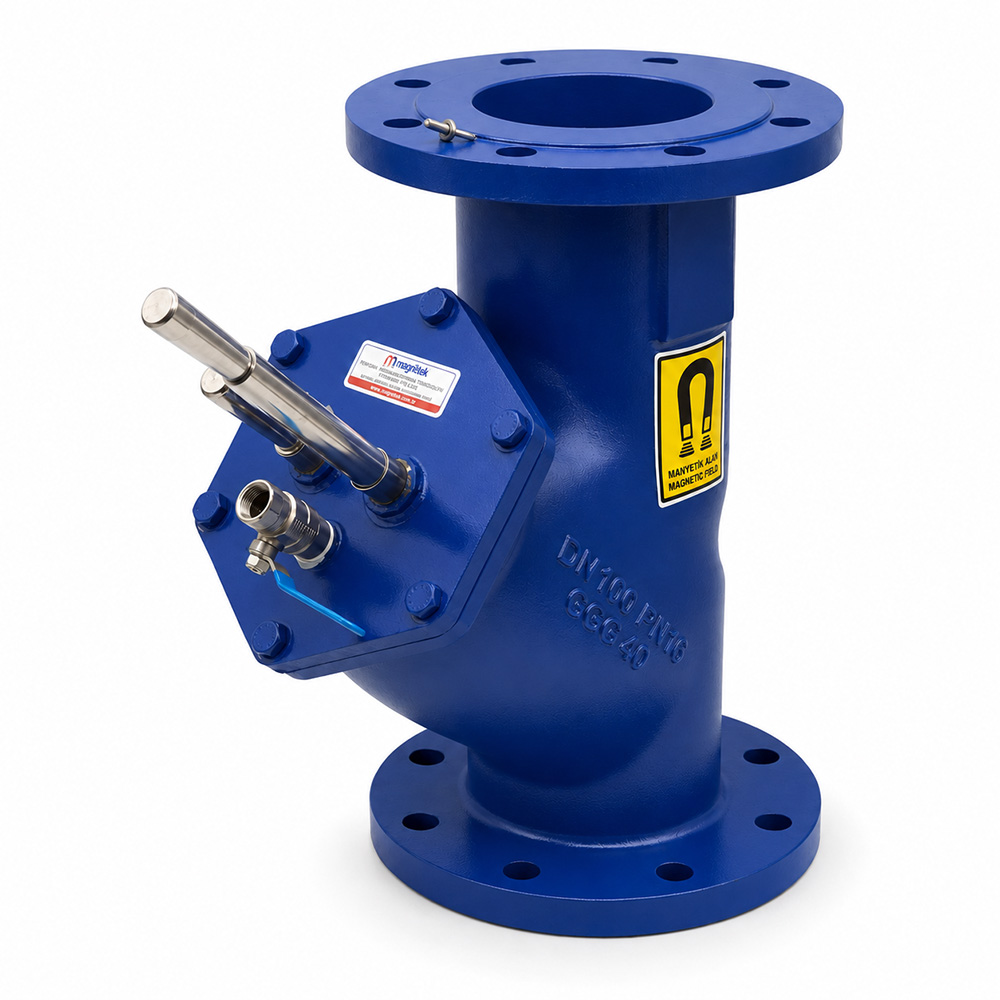
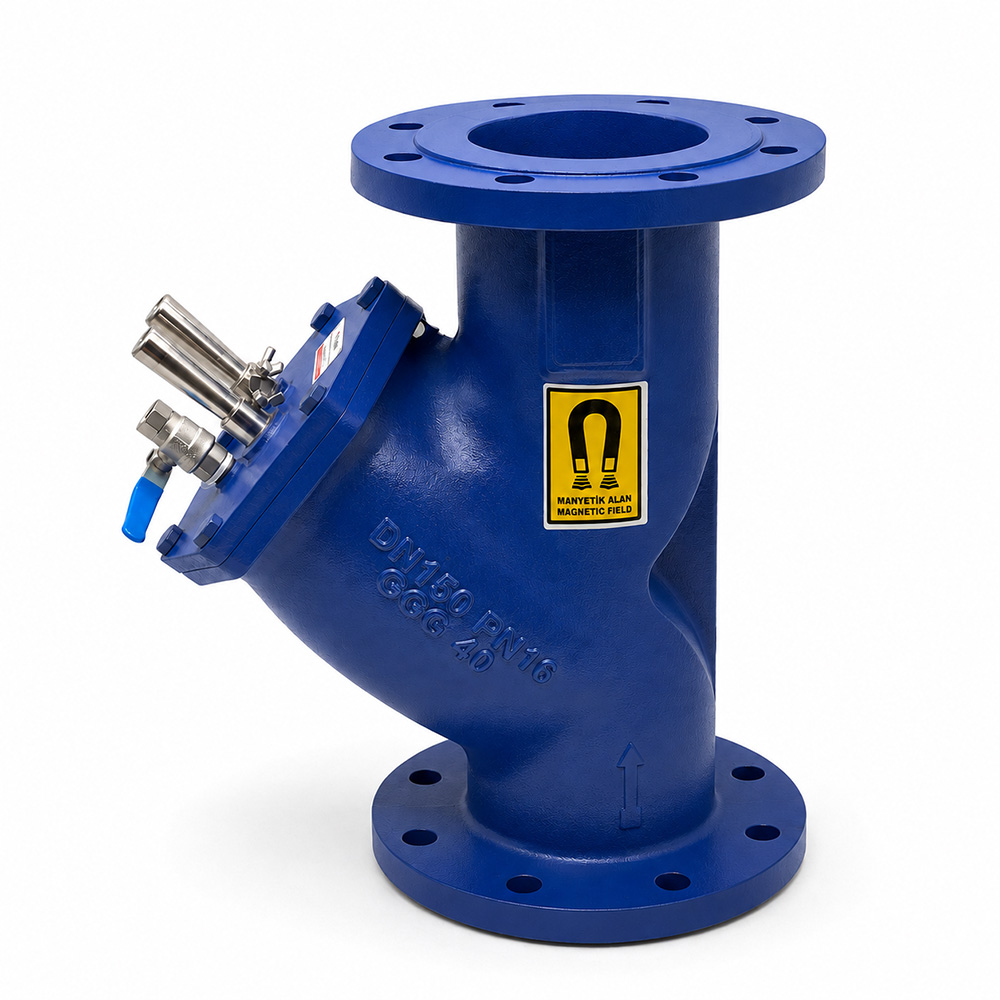
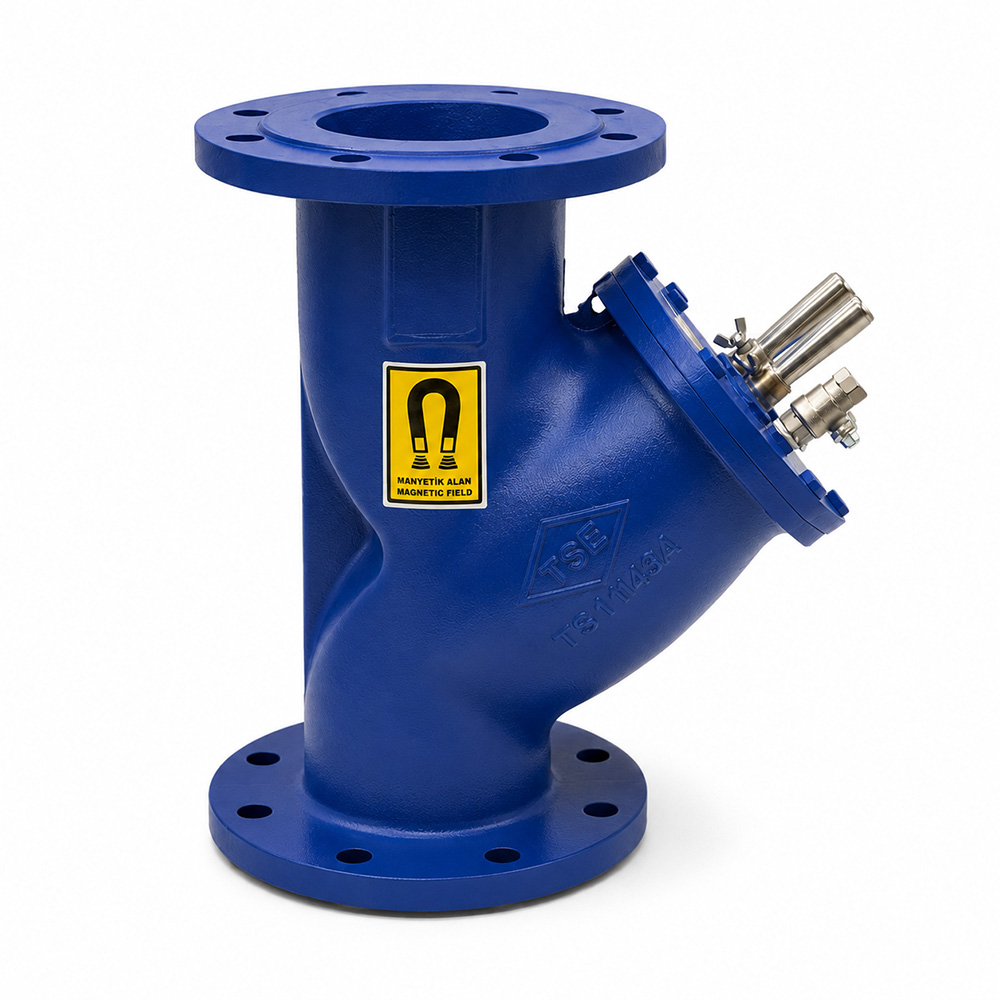
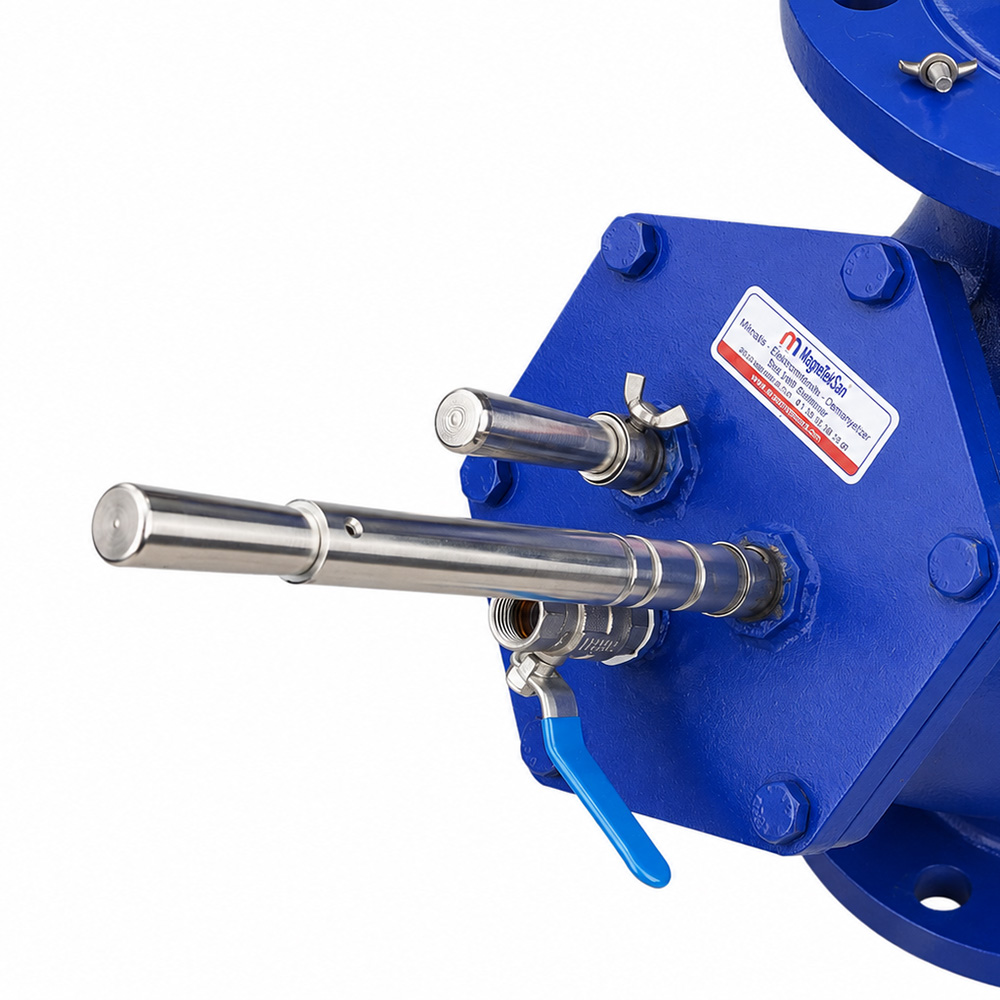
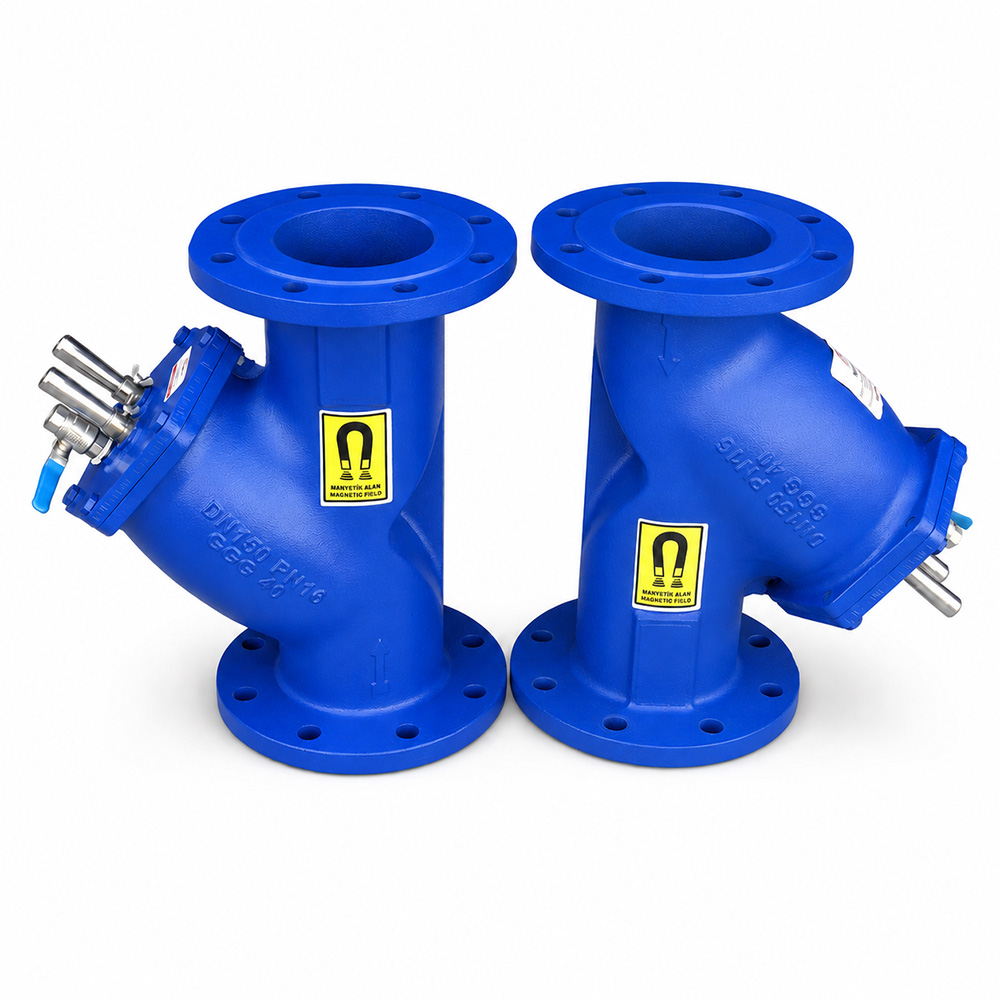
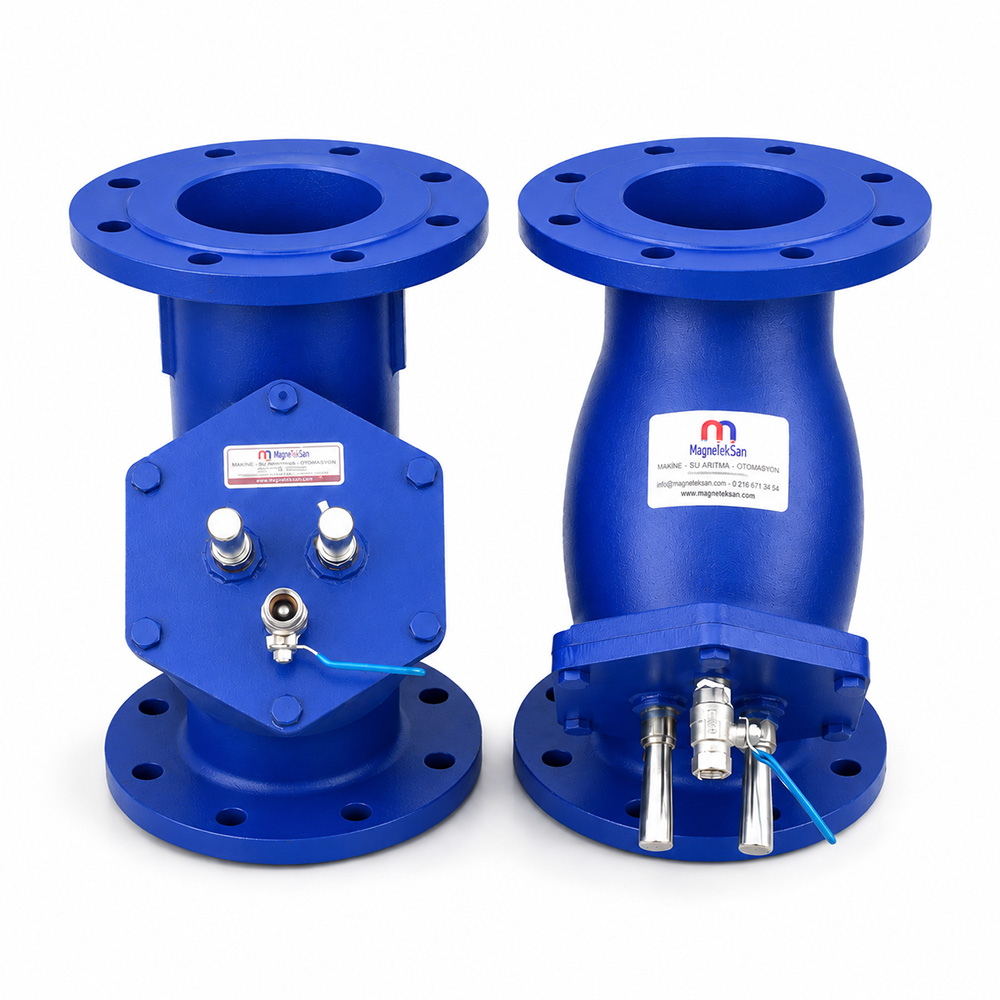
The cold rolling magnetic filter is an inline magnetic separation unit designed to help remove ferromagnetic contaminants from compatible roll coolant and emulsions used in steel sheet and strip cold rolling operations. Featuring DN150 flanged connections and a Ø25×330 mm neodymium magnetic element, it captures suitable iron and steel particles from circulating process fluids. Its removable magnetic element allows manual cleaning, while the permanent magnetic system operates without electrical power.
| Technical Parameter | Specification |
|---|---|
| Product Type | Neodymium Magnetic Filter |
| Main Application | Cold Rolling Mill Line |
| Inlet | DN150 |
| Outlet | DN150 |
| Connection Type | Flanged |
| Magnetic Element Dimensions | Ø25×330 mm |
| Magnetic System | Neodymium |
| Operating Principle | Ferromagnetic Particle Separation |
| Cleaning Method | Manual / Removable |
| Electrical Power | Not Required |
| Process Fluid | Compatible Roll Coolant / Emulsion |
| Target Contaminants | Iron, Steel and Ferromagnetic Oxide Particles |
| Installation Application | Rolling Coolant Circulation Line |
Extra Information
What Is a Cold Rolling Magnetic Filter?
A cold rolling magnetic filter is an industrial inline magnetic separation device used to help remove ferromagnetic metal particles from process fluids circulating in steel cold rolling mills.
During cold rolling, steel sheets and strips pass between rotating rolls under significant mechanical pressure. Friction and mechanical contact can generate fine iron and steel particles that become mixed with roll coolant or rolling emulsions.
The Magneteksan DN150 Cold Rolling Magnetic Filter uses a permanent neodymium magnetic element measuring Ø25×330 mm to attract and retain suitable ferromagnetic contaminants.
The filter is designed for installation in compatible industrial coolant circulation systems where magnetic separation can complement conventional filtration.
What Is Cold Rolling?
Cold rolling is a metalworking process in which steel sheets or strips pass between rollers at temperatures below the material’s recrystallization temperature.
The process is commonly used to:
- Reduce steel sheet or strip thickness.
- Improve dimensional accuracy.
- Achieve tighter thickness tolerances.
- Control surface characteristics.
- Produce steel products for subsequent industrial processing.
Mechanical contact between the rolling rolls and the steel strip creates friction and heat.
Roll coolant and suitable lubricating emulsions are therefore used to support temperature control, lubrication and process stability.
Why Do Metal Particles Form During Cold Rolling?
During cold rolling, the steel strip and rolling rolls are subjected to continuous mechanical contact.
Depending on the process, particles entering the coolant may include:
- Fine iron particles
- Steel fines
- Ferromagnetic wear debris
- Iron-based metal fragments
- Certain iron oxide particles
- Ferromagnetic scale-like contaminants
These particles may circulate through the coolant system if they are not adequately removed.
A magnetic filter can provide an additional separation stage to help reduce the concentration of suitable ferromagnetic contaminants.
Why Is Roll Coolant Filtration Important?
Roll coolant performs several important functions in cold rolling operations.
Depending on the process and fluid formulation, these functions may include:
- Cooling the rolling rolls
- Reducing friction between contacting surfaces
- Supporting lubrication
- Removing process debris from the rolling area
- Assisting with stable rolling conditions
As the coolant circulates, it may collect metal particles and other contaminants.
If these contaminants remain in circulation, they can be transported repeatedly through pumps, valves, nozzles and other process equipment.
Filtration helps manage the contamination load of the circulating fluid.
How Does the DN150 Cold Rolling Magnetic Filter Work?
The operating principle is based on permanent magnetic attraction.
- Contaminated roll coolant or compatible rolling emulsion enters the magnetic filter through the DN150 inlet.
- The process fluid flows through the filter housing.
- The fluid passes through the magnetic influence zone of the Ø25×330 mm neodymium element.
- Suitable ferromagnetic particles are attracted toward the magnetic surface.
- Captured particles remain on the magnetic element while the fluid continues through the system.
- The magnetic element is removed and cleaned manually during scheduled maintenance.
The actual separation performance depends on the properties of the contaminants, fluid velocity, viscosity and internal flow conditions.
Example Cold Rolling Coolant Filtration Process
A possible process arrangement is:
Cold Rolling Mill → Contaminated Roll Coolant → DN150 Magnetic Filter → Main Filtration → Temperature Control → Circulation Pump → Cold Rolling Mill
In this arrangement, the magnetic filter acts as an additional separation stage before conventional filtration.
The final equipment sequence must be determined according to the existing hydraulic and coolant treatment system.
Where Can the Magnetic Filter Be Installed?
The appropriate installation point depends on the configuration of the cold rolling mill.
Possible locations include the following.
1. Rolling Mill Coolant Return Line
The filter can be evaluated for installation in a coolant return line where contaminated fluid flows away from the rolling equipment.
Example:
Rolling Mill → Magnetic Filter → Coolant Collection Tank
This arrangement allows magnetic separation to take place before the coolant enters the next treatment stage.
2. Before the Main Filtration System
The magnetic filter can serve as a preliminary ferromagnetic separation stage.
Example:
Magnetic Filter → Mechanical Filter → Heat Exchanger
Removing suitable ferromagnetic particles upstream may help reduce the contamination load reaching subsequent filtration equipment.
3. Side-Stream or Bypass Filtration Line
The filter may also be evaluated for installation in a dedicated side-stream circuit.
In this configuration, a portion of the circulating coolant is directed through the magnetic filter.
This can provide an additional means of managing ferromagnetic contamination without assuming that the entire main flow passes through the unit.
The suitability of a bypass arrangement must be established through hydraulic design.
What Is the Main Function of the Neodymium Magnetic Element?
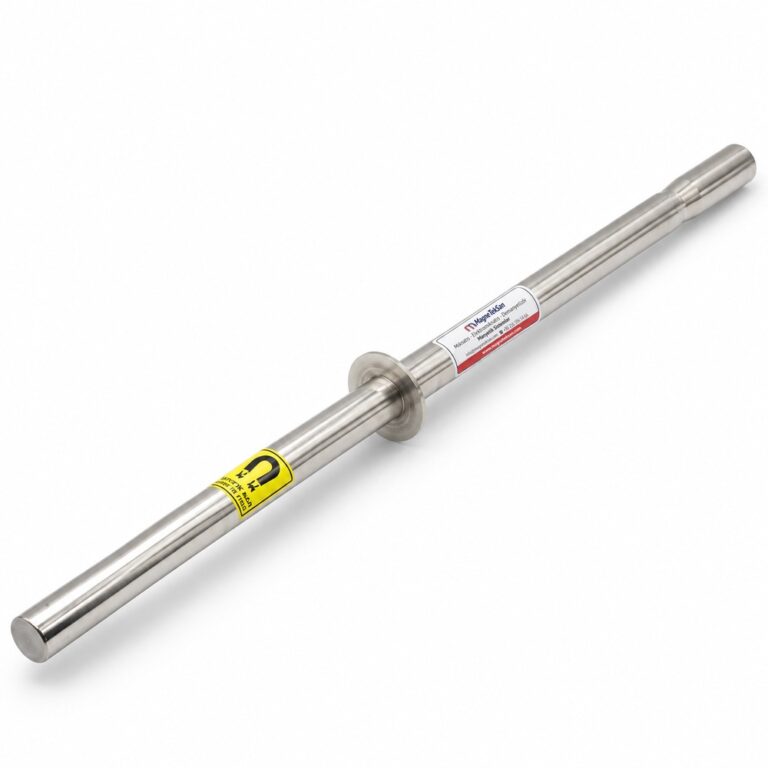
The Ø25×330 mm neodymium magnetic element provides the magnetic capture surface inside the filter.
As coolant passes through the housing, suitable ferromagnetic particles can be attracted to this surface.
Examples include:
- Fine iron debris
- Carbon steel particles
- Ferromagnetic wear fragments
- Certain magnetic iron oxides
The magnetic element can then be removed for cleaning.
Its stated dimensions describe the physical element; they do not establish a guaranteed Gauss value or particle removal efficiency.
Why Are DN150 Connections Important?
The DN150 inlet and outlet make the filter suitable for consideration in industrial circulation lines with corresponding nominal connection sizes.
Potential applications include:
- Centralized cold rolling coolant circuits
- Larger industrial emulsion circulation systems
- Main coolant return lines
- Dedicated bypass filtration systems
The filter uses flanged connections.
However, DN150 is a nominal connection size and does not by itself determine a guaranteed flow rate.
The actual installation must be checked against the existing flange specification, operating pressure and hydraulic conditions.
What Is the Flow Capacity in m³/h?
A confirmed flow capacity has not been specified for this model.
The permissible flow rate depends on several factors, including:
- Pump capacity
- Fluid viscosity
- Operating temperature
- Internal housing geometry
- Fluid velocity
- Allowable pressure drop
- Ferromagnetic particle loading
- Required separation performance
Therefore, a specific capacity in m³/h should not be assumed from the DN150 connection size alone.
The required flow rate should be supplied during the technical evaluation.
Can the Filter Capture Fine Iron Particles?
Yes, suitable fine iron particles with sufficient ferromagnetic properties may be attracted to the neodymium magnetic element.
However, capture performance depends on:
- Particle size
- Magnetic properties
- Particle shape
- Fluid velocity
- Fluid viscosity
- Distance from the magnetic surface
- Amount of accumulated contamination
No verified minimum capture size in microns has been provided for this product.
Accordingly, a guaranteed micron rating should not be claimed without appropriate testing.
What Is Mill Scale?
Mill scale is a general term for iron oxide layers formed on steel surfaces during high-temperature processing.
Some oxide particles may become detached during subsequent handling or rolling operations.
Different iron oxides have different magnetic properties.
Consequently, the filter may attract certain ferromagnetic oxide particles, but it should not be assumed to remove every type of oxide or scale.
The primary application of this product remains the cold rolling coolant and emulsion circuit, rather than general hot rolling mill scale removal.
Is Cold Rolling the Same as Hot Rolling?
No.
Cold rolling and hot rolling operate under different process conditions.
Cold rolling generally involves processing steel below its recrystallization temperature, with emphasis on dimensional control and surface characteristics.
Hot rolling involves elevated temperatures and may generate different contamination loads, including substantial amounts of scale.
Hot rolling water treatment systems can also involve large water flows, open channels and sedimentation equipment.
This DN150 magnetic filter is specifically positioned for steel cold rolling roll coolant and compatible emulsions.
It should not automatically be specified as a general-purpose hot rolling scale separator.
Can the Filter Help Protect Rolling Mill Equipment?
Reducing suitable ferromagnetic particles in circulating coolant may help lower the amount of abrasive metal contamination returning to process equipment.
Components that may benefit from improved fluid cleanliness include:
- Circulation pumps
- Valves
- Heat exchangers
- Spray nozzles
- Coolant distribution equipment
- Other components in the coolant circuit
However, magnetic filtration alone cannot guarantee the prevention of roll wear, pump damage or mechanical failures.
Can Magnetic Filtration Support Steel Surface Quality?
Coolant cleanliness is one of several factors involved in controlled cold rolling operations.
Reducing the recirculation of ferromagnetic metal particles may support the overall cleanliness of the process fluid.
It may also help reduce the contaminant load handled by downstream filtration equipment.
Nevertheless, final steel surface quality depends on many additional factors, including roll condition, lubrication, process settings and incoming strip characteristics.
The magnetic filter should therefore be considered a supporting process component rather than a complete surface-quality solution.
Does a Magnetic Filter Replace a Mechanical Filter?
Not necessarily.
The two technologies use different separation principles.
A magnetic filter captures suitable contaminants according to their ferromagnetic properties.
A mechanical filter separates particles primarily according to physical size and the characteristics of its filtration medium.
A cold rolling coolant system may therefore use both technologies.
Example:
Magnetic Separation → Mechanical Filtration → Temperature Control
This arrangement provides complementary contaminant removal mechanisms.
Comparison of Coolant Filtration Technologies
| Technology | Separation Principle | Main Function |
|---|---|---|
| Neodymium Magnetic Filter | Magnetic attraction | Captures suitable ferromagnetic metal particles |
| Mechanical Screen Filter | Particle size | Removes particles according to screen openings |
| Cartridge or Bag Filter | Filtration medium | Captures particles according to filter media characteristics |
| Centrifugal Separator | Centrifugal forces | Separates suitable particles based on density and flow conditions |
The most suitable filtration arrangement depends on the coolant characteristics and contamination profile.
Can the Filter Be Used with Oil-Based Roll Coolant?
Potentially, subject to technical evaluation.
Magnetic separation is based on the magnetic properties of contaminants, but compatibility with a specific oil-based fluid must be assessed.
Important parameters include:
- Oil formulation
- Fluid viscosity
- Operating temperature
- Chemical compatibility
- Housing material
- Sealing materials
- Required flow rate
The filter should only be used after confirming that the complete assembly is compatible with the process fluid.
Can It Be Used with Rolling Emulsions?
Yes, compatible rolling emulsions are among the intended applications.
Cold rolling lines may use water-based or oil-containing emulsions for cooling and lubrication.
A neodymium magnetic filter can be evaluated for removing suitable ferromagnetic contaminants from these fluids.
The emulsion composition, temperature, viscosity and compatibility with the filter’s wetted materials must be checked before installation.
Does the Filter Remove Aluminium Particles?
Not through conventional ferromagnetic attraction.
Aluminium is not a ferromagnetic material under normal operating conditions.
Therefore, a standard neodymium magnetic filter should not be presented as a solution for removing aluminium particles in the same manner as iron or carbon steel.
This product is primarily intended for steel cold rolling applications.
Can It Remove Copper Particles?
Copper is also not ferromagnetic under normal operating conditions.
Consequently, magnetic separation alone is not generally an appropriate method for removing copper particles from rolling fluids.
Other filtration or separation technologies may be required.
Can It Remove Stainless Steel Particles?
The result depends on the stainless steel grade and its metallurgical condition.
Some stainless steels exhibit significant magnetic response, while others are weakly magnetic or effectively non-ferromagnetic under relevant conditions.
The filter cannot be assumed to capture every stainless steel particle.
Testing with representative contaminants is recommended when stainless steel debris is a concern.
How Is the Magnetic Filter Cleaned?
The magnetic element is manually removable for cleaning.
A general maintenance procedure includes:
- Stop the relevant coolant circulation equipment.
- Isolate the filter from the process.
- Confirm that the filter is depressurized and at a safe temperature.
- Open the filter housing according to the approved maintenance procedure.
- Carefully remove the Ø25×330 mm neodymium magnetic element.
- Clean accumulated ferromagnetic particles from the magnetic surface.
- Inspect the element, housing, seals and connection areas.
- Reinstall the element, close the housing and return the system to service in a controlled manner.
Maintenance must follow the actual equipment instructions and site safety procedures.
Strong neodymium magnets can attract ferromagnetic tools and components suddenly, creating pinch hazards.
How Often Should the Magnetic Element Be Cleaned?
There is no universal cleaning interval for every cold rolling mill.
Maintenance frequency depends on:
- Rolling production volume
- Iron and steel particle concentration
- Coolant circulation rate
- Operating hours
- Rate of magnetic particle accumulation
- Site maintenance requirements
More frequent inspections during initial commissioning can help establish an appropriate cleaning schedule.
What Happens When the Magnetic Surface Becomes Covered with Metal Particles?
Excessive accumulation of metal debris may reduce the available magnetic capture surface.
This can affect the filter’s ability to retain additional particles.
Regular inspection and cleaning are therefore important, particularly in applications with high ferromagnetic contamination loads.
Does the Magnetic Filter Require Electricity?
No electrical power is required to generate the magnetic field.
The filter uses a permanent neodymium magnetic system.
Unlike an electromagnet, it does not require:
- Electrical coils
- A dedicated magnetic power supply
- Electrical switching to maintain its magnetic field
The associated coolant circulation system may still require electrically powered pumps and controls.
Is the Filter Self-Cleaning?
No.
This model uses a removable magnetic element that requires manual cleaning.
It should not be described as an automatic or self-cleaning magnetic filter.
For applications requiring continuous automatic contaminant removal, a different separation system may need to be considered.
What Is the Magnetic Strength in Gauss?
The product uses a neodymium magnetic element measuring Ø25×330 mm.
However, a verified surface magnetic flux density in Gauss has not been specified.
The element dimensions alone cannot establish:
- A guaranteed Gauss value
- A guaranteed magnetic attraction distance
- A minimum particle capture size
- A guaranteed separation efficiency
If a particular magnetic performance is required, suitable measurement and testing conditions should be defined.
What Is the Maximum Operating Pressure?
A verified maximum operating pressure has not been provided for this product.
Although the filter has flanged DN150 connections, the allowable pressure of the complete assembly must be confirmed independently.
Flange classification alone should not be treated as proof of the filter’s maximum working pressure.
Housing design, seals, closures and the complete assembly must be considered.
What Is the Maximum Operating Temperature?
A verified maximum operating temperature has not been specified.
Temperature suitability depends on the magnetic system, housing construction, seals and process fluid.
The expected operating and maximum temperatures should be supplied before confirming suitability for a particular rolling coolant circuit.
How Is This Product Different from a Chiller Magnetic Filter?
A chiller magnetic filter is typically intended for compatible closed-loop heating or cooling water systems.
Such applications may involve magnetite, iron oxide and corrosion-related debris.
This DN150 product is instead focused on:
Steel Cold Rolling → Roll Coolant / Rolling Emulsion → Ferromagnetic Particle Separation
The intended fluid, contamination source and operating conditions are different.
How Is It Different from a CNC Coolant Magnetic Filter?
CNC machining coolant filters are generally associated with metal cutting, grinding or other machining operations.
They may be used to manage fine metal debris and machining-related contamination.
The DN150 cold rolling magnetic filter is intended for a different process:
Steel Sheet and Strip Cold Rolling
Its application is based on the coolant circulation requirements of rolling equipment rather than conventional machining coolant systems.
How Is It Different from a Wire Drawing Magnetic Filter?
A wire drawing magnetic filter is intended for compatible fluids used during metal wire drawing.
This product is specifically intended for steel sheet and strip cold rolling coolant systems.
The DN150 connections also make it relevant for evaluating larger industrial circulation lines.
However, the actual flow capacity must be determined separately.
Can Magneteksan Manufacture Custom Magnetic Filters for Cold Rolling Mills?
Yes.
Magneteksan can evaluate custom neodymium magnetic filtration systems according to the requirements of a cold rolling mill.
Possible design parameters include:
- Inlet and outlet dimensions
- Connection configuration
- Required coolant flow rate
- Roll coolant or emulsion type
- Fluid viscosity
- Operating temperature
- Operating pressure
- Ferromagnetic contamination load
- Magnetic element configuration
- Existing filtration equipment
- Available installation space
- Maintenance and cleaning requirements
The final design should be based on verified operating conditions and technical requirements.
What Information Is Required for a Custom Cold Rolling Magnetic Filter?
For a technical evaluation, the following information is recommended:
- Application: Steel sheet or strip cold rolling.
- Process Fluid: Roll coolant, oil-based coolant or rolling emulsion.
- Installation Location: Return line, main filtration line or bypass circuit.
- Inlet Connection: Required nominal diameter and flange standard.
- Outlet Connection: Required nominal diameter and flange standard.
- Flow Rate: Expected circulation flow in m³/h.
- Operating Pressure: Normal and maximum process pressure.
- Operating Temperature: Normal and maximum coolant temperature.
- Fluid Properties: Viscosity, composition and relevant chemical characteristics.
- Target Contaminants: Type, approximate particle size and expected contamination load.
- Magnetic Requirements: Any specified magnetic performance or testing requirements.
- Installation Space: Available dimensions and access restrictions.
- Existing Filtration System: Screens, bag filters, cartridge filters or other equipment.
- Cleaning Requirements: Preferred maintenance interval and available access.
- Testing and Documentation: Required inspection reports, magnetic measurements and technical documentation.
These details help determine the appropriate filter geometry, magnetic element arrangement and maintenance requirements.
Magneteksan Magnetic Filtration Solutions for Cold Rolling Mills
Magneteksan designs and manufactures industrial magnetic separation equipment for metalworking and process fluid applications.
The DN150 cold rolling magnetic filter, equipped with a Ø25×330 mm neodymium magnetic element, offers an additional means of controlling suitable ferromagnetic particles in compatible steel rolling coolant and emulsion circuits.
For new installations or equipment upgrades, Magneteksan can evaluate the required connections, coolant characteristics, filtration arrangement and maintenance requirements to develop a suitable magnetic filtration solution.