Product Information
Extra Information
Product Information
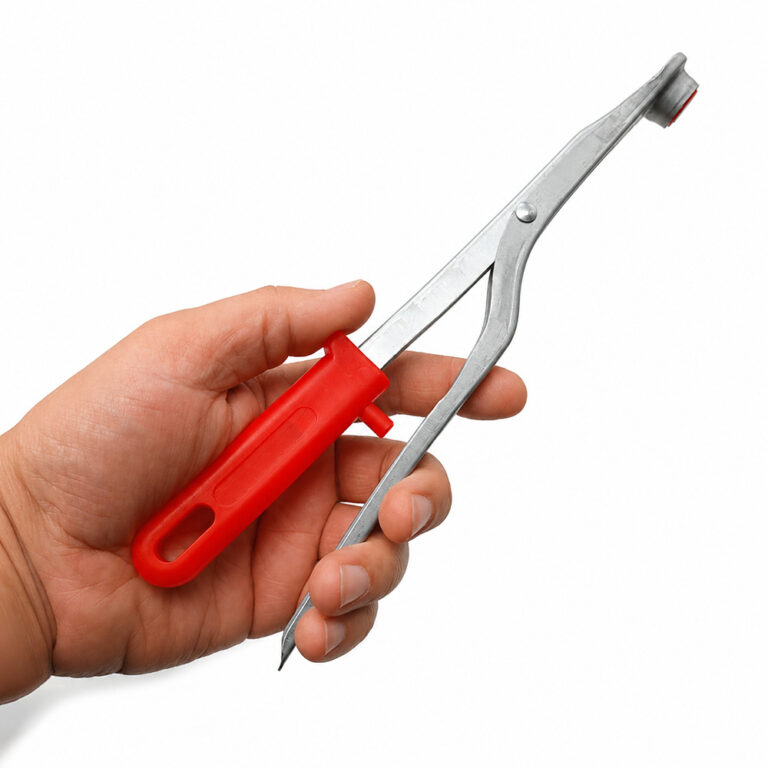
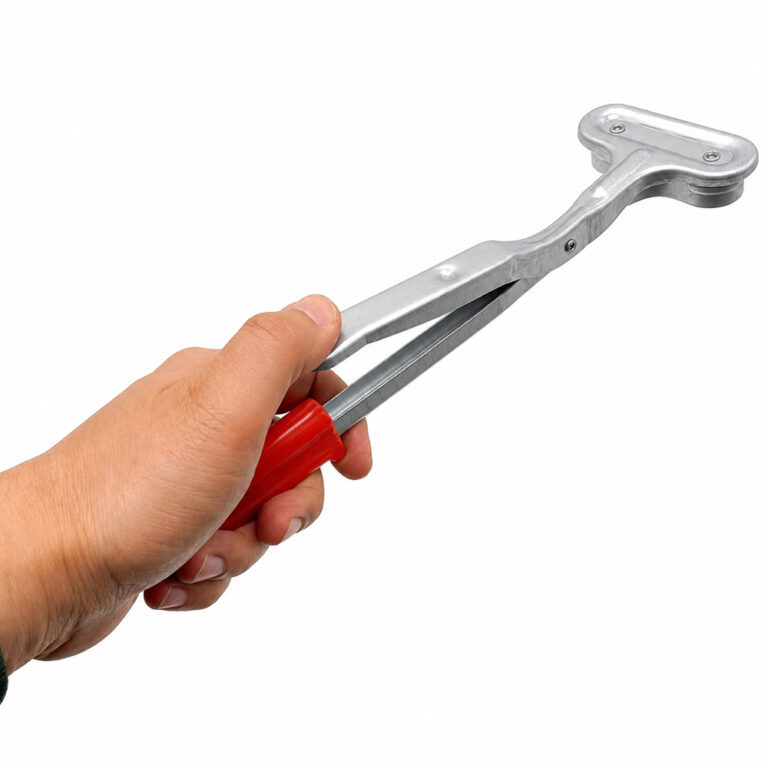
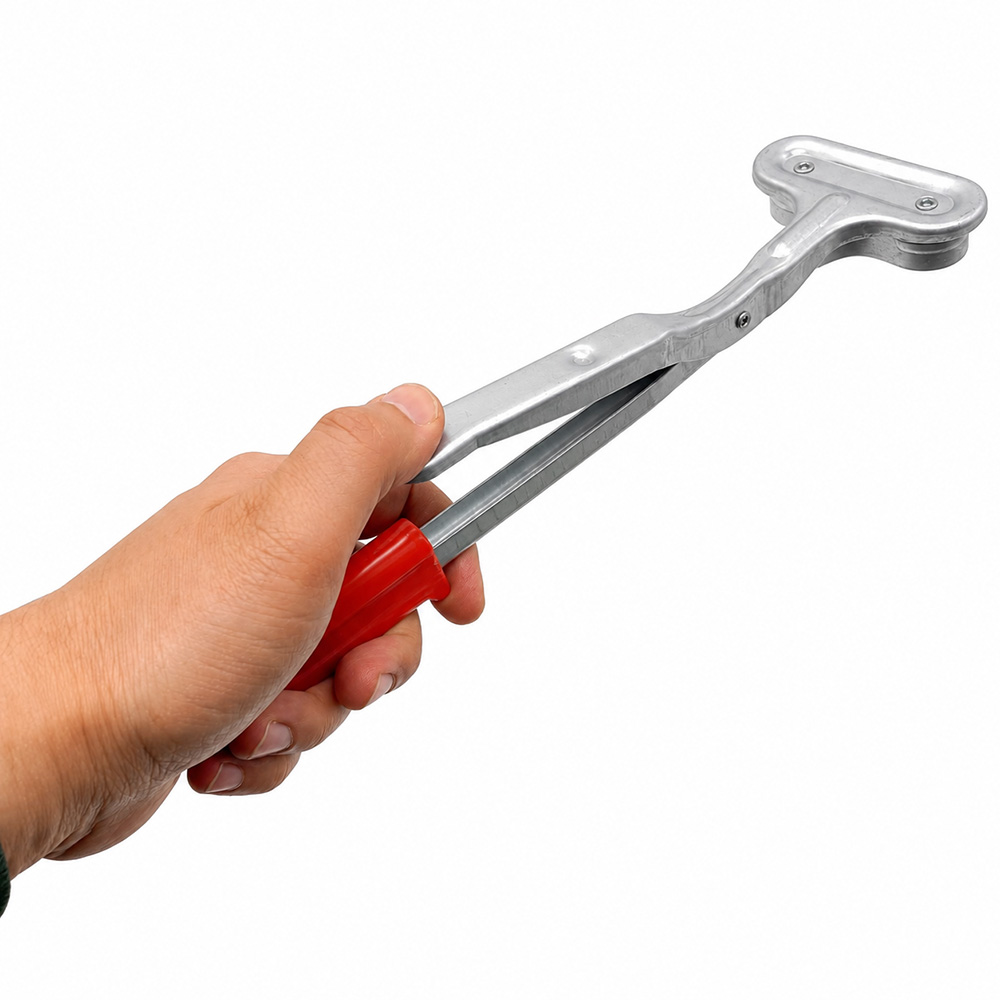
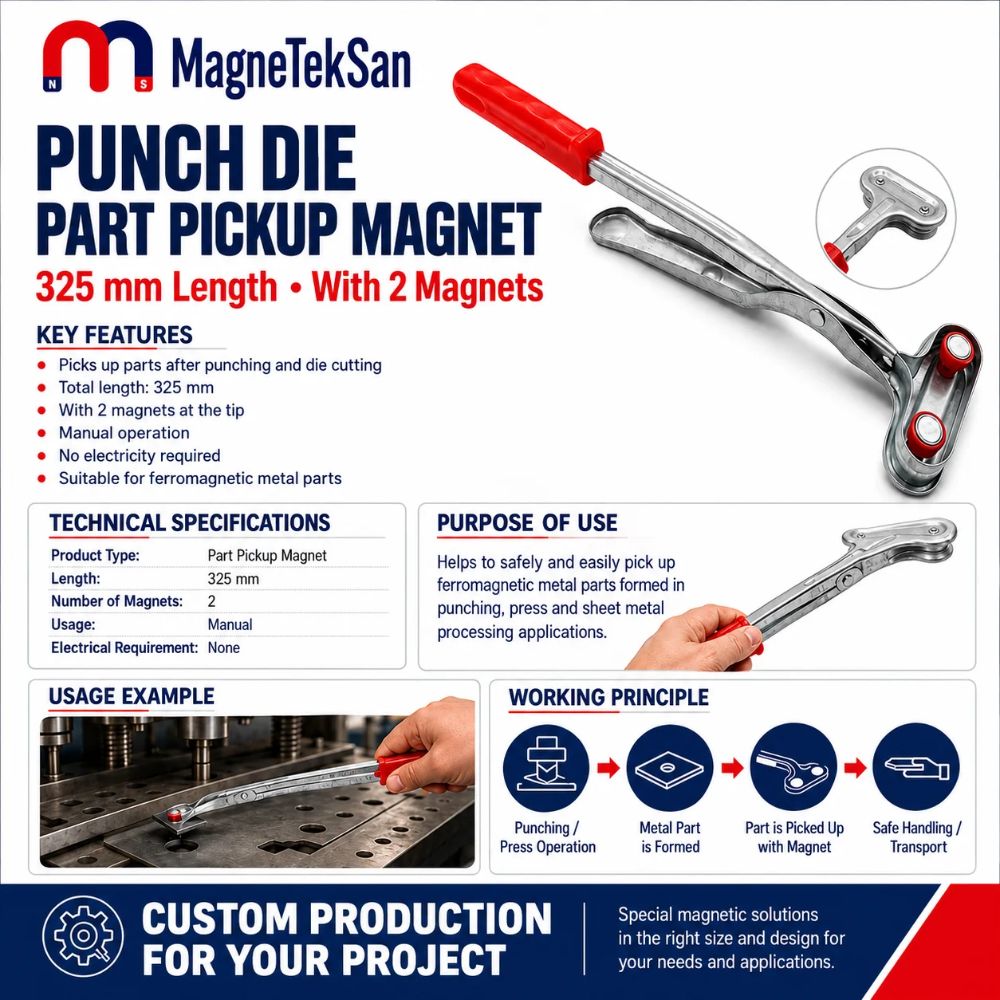
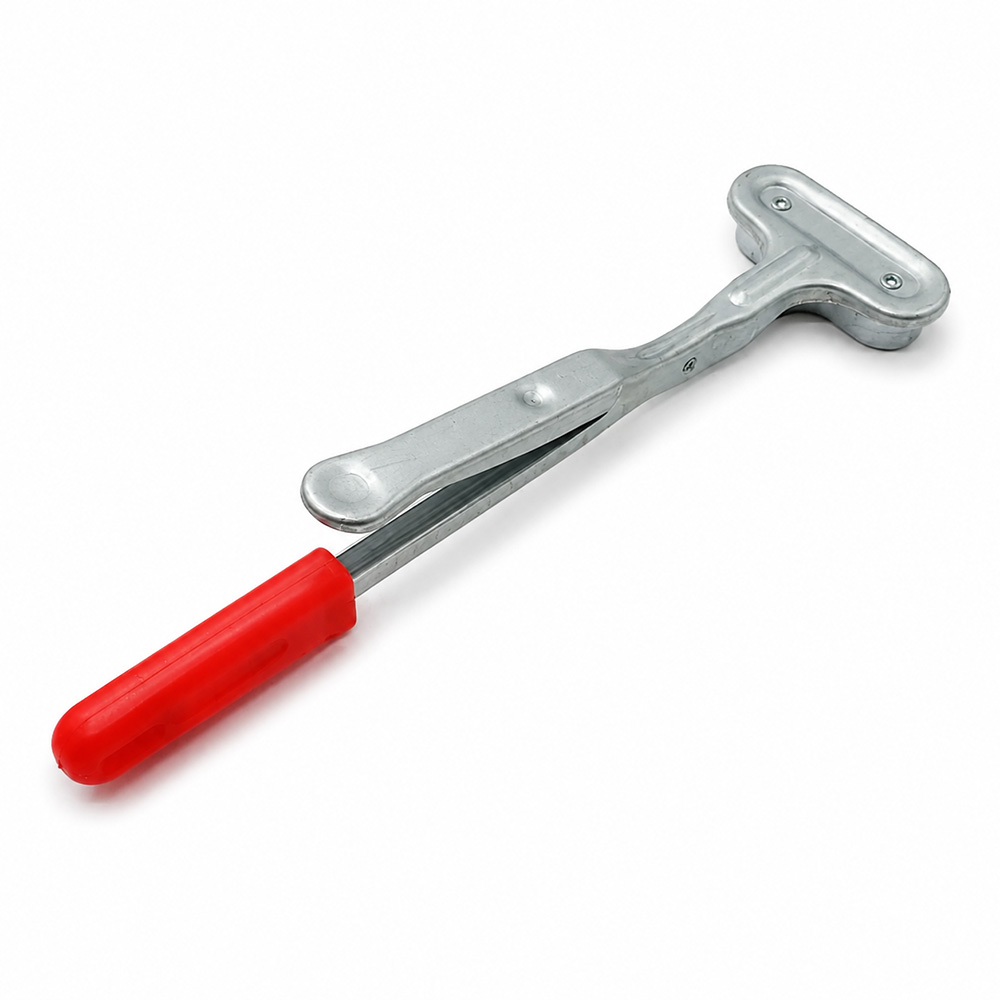
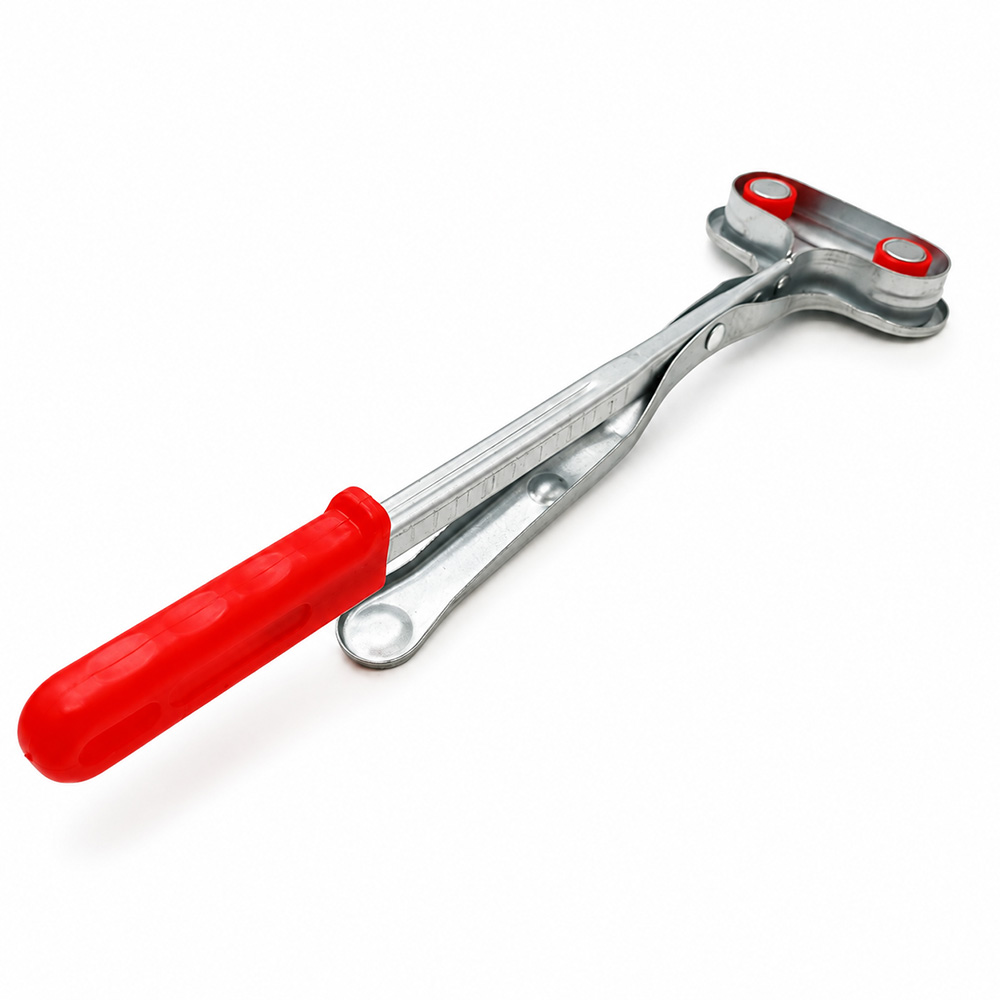
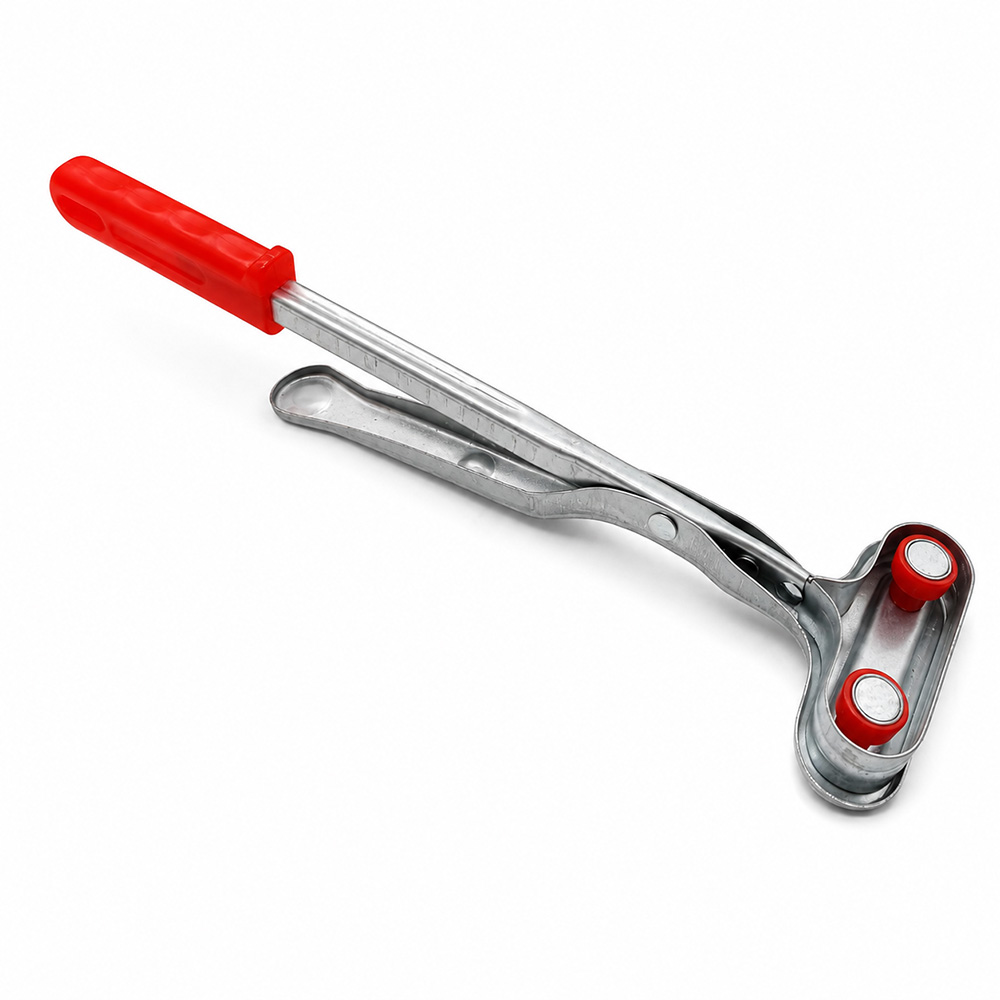
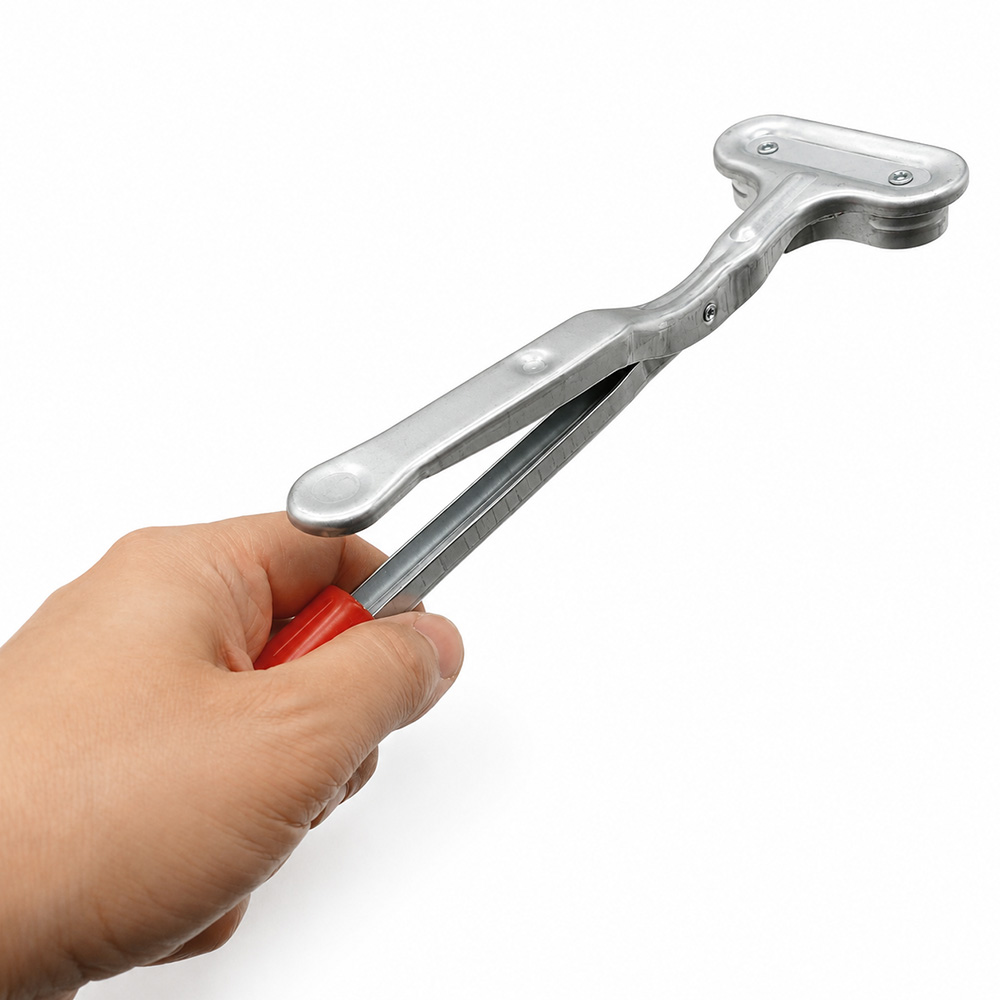
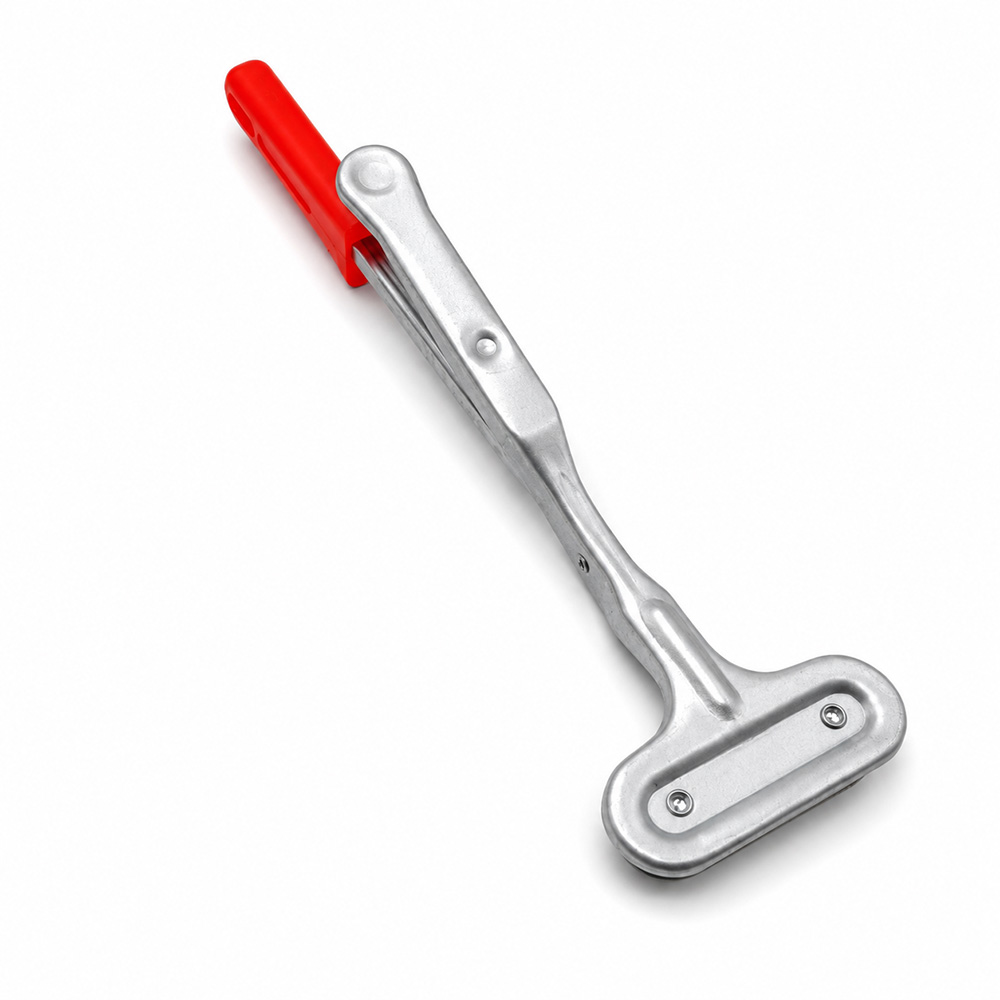
The 325 mm CNC Punch Pickup Magnet is a portable, dual-tip magnetic hand tool designed for manually retrieving suitable ferromagnetic sheet metal components after CNC punching and punch press operations. Its two magnetic contact points help grip compatible flat steel parts, while the extended body helps operators reach cut components without directly grasping sharp sheet metal edges. The tool has a nominal lifting capacity of 2 kg, requires no electricity or batteries, and delivers holding performance that depends on the material, thickness, geometry and contact conditions of each workpiece.
| Technical Specification | Value |
|---|---|
| Product Type | Manual sheet metal pickup magnet |
| Overall Length | 325 mm |
| Magnetic Configuration | Dual magnetic tip |
| Magnetic Contact Points | 2 |
| Nominal Lifting Capacity | 2 kg |
| Operating Method | Manual |
| Magnetic System | Permanent magnet |
| Electrical Requirement | None |
| Primary Application | CNC punch part retrieval |
| Secondary Application | Punch press operations |
| Compatible Materials | Ferromagnetic iron and steel |
| Preferred Workpiece Surface | Suitable flat sheet metal |
| Contact Arrangement | Two magnetic contact points where possible |
| Handling Purpose | Retrieval of cut sheet metal parts |
| Performance Conditions | Material, thickness, coating and contact area |
| Product Category | Handheld Magnets |
Extra Information
1. 325 mm CNC Punch Pickup Magnet for Sheet Metal Processing
The 325 mm CNC Punch Pickup Magnet is a manual magnetic handling tool developed to assist with retrieving cut sheet metal components after CNC punching operations. Its extended body allows an operator to reach suitable parts on a workstation without directly gripping their edges.
The tool features two magnetic contact points at its working end. These points can engage compatible flat ferromagnetic surfaces, helping the operator pick up individual components under appropriate conditions.
Its nominal lifting capacity is 2 kg, although actual holding performance depends on the workpiece material, thickness, geometry and contact quality. The stated capacity should not be interpreted as a guaranteed lifting weight for every steel component.
The pickup magnet operates using permanent magnetic attraction and requires no electricity or batteries. It is intended as an auxiliary hand tool rather than a substitute for industrial lifting equipment or machine safety procedures.
2. Magnetic Part Retrieval After CNC Punching
CNC punching machines process sheet metal through programmed punching, cutting and forming operations. Depending on the production layout, cut components may remain on the machine table after processing.
Removing these components manually can be inconvenient, particularly when parts have sharp edges or are located in areas that are difficult to reach. A magnetic pickup tool can assist with retrieval when the workpiece is made from suitable ferromagnetic material.
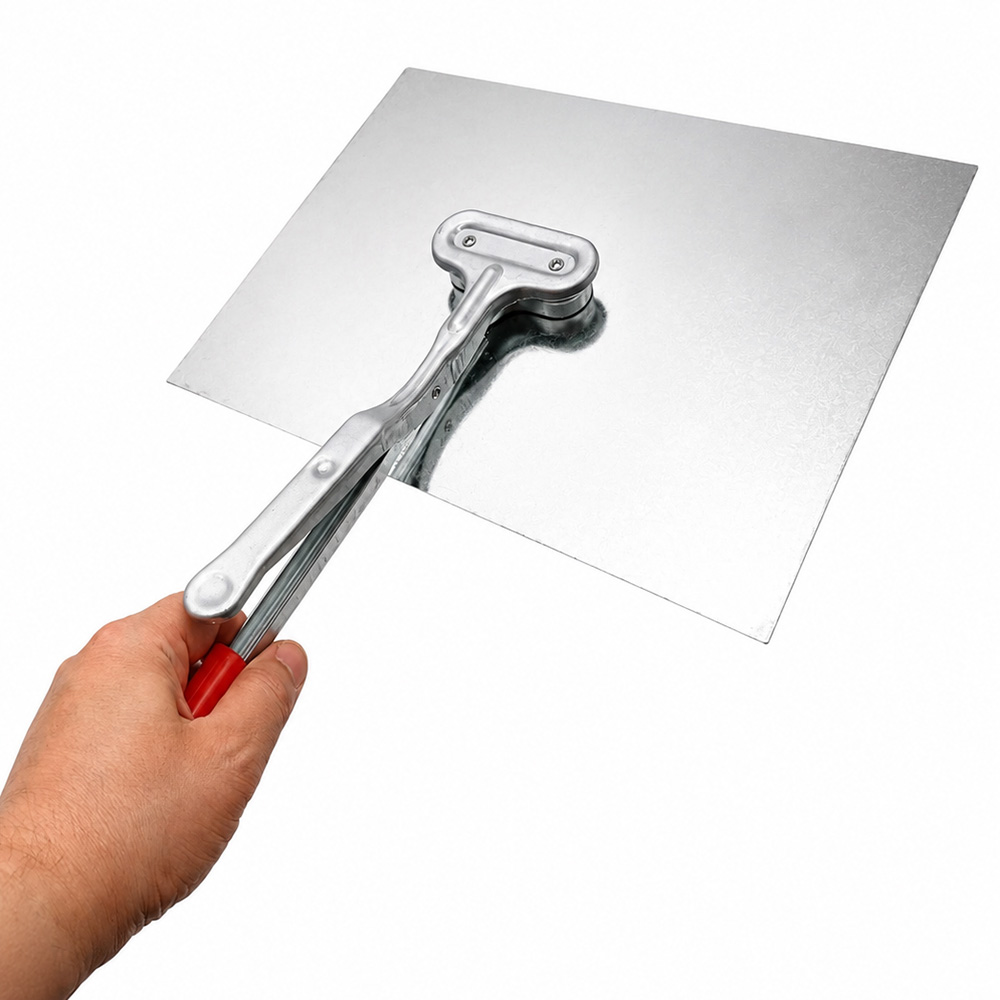
The dual magnetic tip is positioned against an accessible surface of the cut component. Once sufficient magnetic contact has been established, the operator can move the part in a controlled manner.
Retrieval must take place only after the machine has been placed in a safe condition. The tool does not permit an operator to reach into an operating punch press or bypass protective guards.
3. 325 mm Overall Length and Operator Reach
The product has an overall length of 325 mm. This dimension provides additional reach compared with directly grasping a component by hand.
The extended body can be useful when accessing cut parts on machine tables, near tooling or within suitable workstation areas. Actual accessibility depends on the surrounding equipment and the position of the workpiece.
The tool’s length does not eliminate the need for safe machine access. Operators must follow the machine manufacturer’s instructions and the workplace’s approved procedures before retrieving components.
A longer reach may reduce direct hand contact with sharp edges, but it does not remove all handling risks. Appropriate personal protective equipment and controlled movements remain important.
4. Dual Magnetic Tip Configuration
The pickup magnet is equipped with two magnetic contact points at its working end. This configuration allows magnetic attraction to be applied at two locations on a compatible workpiece.
When both tips contact a sufficiently flat ferromagnetic surface, the magnetic engagement may be distributed across two contact areas. The resulting holding behaviour depends on the dimensions and shape of the component.
Very small, curved or irregularly shaped parts may contact only one tip. In these cases, the available holding force and stability can differ from those achieved with full contact.
The dual-tip configuration should therefore be evaluated against the actual workpiece. It does not guarantee balanced handling or prevent rotation of every component.
5. Nominal 2 kg Lifting Capacity
The stated nominal lifting capacity of this magnetic pickup tool is 2 kg. This figure identifies the product’s declared capacity under suitable conditions.
Actual holding performance can change significantly with steel grade, sheet thickness, surface flatness and the area in contact with the magnetic tips. Paint, coatings, rust and air gaps may also reduce attraction.
A component weighing less than 2 kg is not automatically suitable for handling. Its shape, centre of gravity and available contact surface must also be considered.
Operators should confirm adequate holding performance before transferring a component. The product is not designed for overhead lifting or the movement of heavy industrial loads.
6. Manual Handling of Cut Sheet Metal Parts
Manual sheet metal retrieval involves locating a cut component, establishing a suitable grip and moving it to a designated collection area. Magnetic tools can assist when the material responds adequately to a permanent magnet.
The operator approaches the workpiece with the magnetic tips and positions them on an accessible surface. The component should be lifted or moved only when stable contact has been achieved.
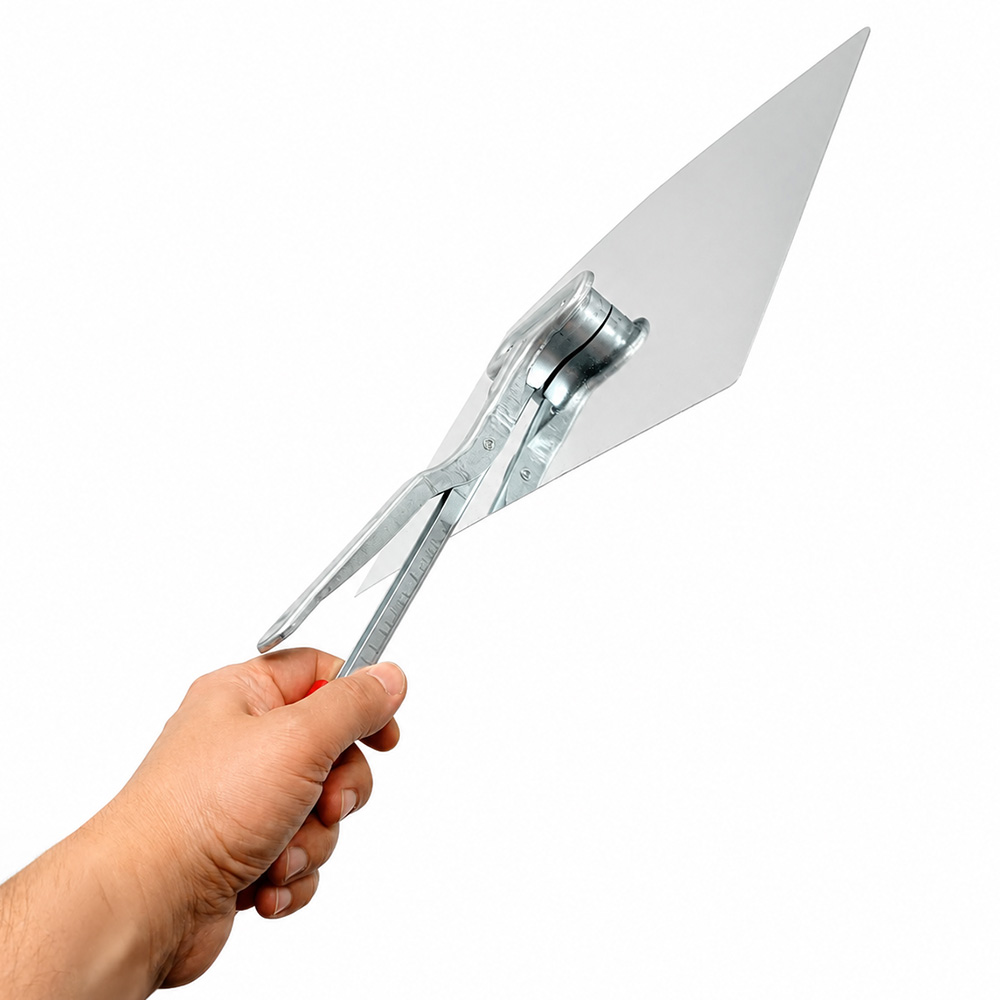
The part can then be transferred a short distance to a collection tray, workbench or inspection area. The release method should follow the actual mechanism and instructions supplied with the tool.
The process must remain controlled throughout. Operators should avoid sudden movements that could cause the component to slip or strike nearby equipment.
7. CNC Punching Machine Applications
CNC punching machines are used to produce holes, profiles and shaped components from sheet metal. Finished or partially processed parts may remain on the work surface after a machining cycle.
The 325 mm magnetic pickup tool can help retrieve compatible steel components from accessible locations. Its use is particularly relevant where manual part collection forms part of the production workflow.
Magnetic retrieval is suitable only for materials that provide adequate magnetic attraction. Aluminium, copper and brass components are not appropriate targets for this type of permanent magnetic pickup tool.
The machine must be stopped and made safe before the operator enters the working area. A magnetic hand tool must never be used as justification for intervening in moving machinery.
8. Punch Press Part Removal
Punch presses cut or form sheet metal using tooling that applies mechanical force. After an operation, smaller components may remain near the die or on a collection surface.
A handheld pickup magnet can assist in retrieving suitable ferromagnetic pieces after the equipment has been safely stopped. This can reduce the need to grip sharp cut edges directly.
The operator should ensure that the magnetic tip can reach the part without contacting sensitive tooling or creating an unsafe working position. Tool access and component movement must be assessed before retrieval.
The magnet does not replace machine guards, interlocks, isolation procedures or approved methods for clearing tooling. Safe access takes priority over convenience.
9. Reducing Direct Contact With Sharp Sheet Metal Edges
Punching and cutting operations can leave sharp edges and burrs on sheet metal components. Direct handling of these surfaces may expose workers to cuts and abrasions.
The magnetic pickup tool allows an operator to engage a compatible component through its ferromagnetic surface rather than gripping the cut edge. This may reduce certain direct-contact risks.
The effectiveness of this approach depends on whether the component can be held securely and transferred without slipping. Very thin, irregular or poorly positioned parts may require a different handling method.
Protective gloves and other appropriate equipment should still be used where required. A magnetic pickup tool is an aid to safe handling, not a complete protective system.
10. Permanent Magnet Operation Without Electricity
The pickup tool uses a permanent magnetic system to attract compatible ferromagnetic materials. It does not require an external electrical supply for magnetic attraction.
There is no need for a battery, charging connection or electrical control cabinet. This makes the tool suitable for portable use at appropriate workstations.
Permanent magnetic attraction remains present during normal handling. Operators must therefore control how the tool approaches metal surfaces and how collected components are released.
The absence of an electrical supply does not remove mechanical or magnetic handling hazards. The tool should be stored and used with attention to nearby ferromagnetic objects and sensitive equipment.
11. Ferromagnetic Iron and Steel Compatibility
The tool is intended primarily for suitable ferromagnetic iron and steel components. These materials can provide the magnetic response required for pickup.
However, magnetic behaviour varies between different grades and processing conditions. Not all materials described commercially as steel respond in the same way.
Workpiece thickness also affects magnetic engagement. Very thin components may not provide the same holding performance as thicker, appropriately shaped pieces.
Material compatibility should be checked before routine use. If the workpiece does not provide reliable magnetic contact, an alternative handling method should be selected.
12. Why Aluminium Sheet Is Not Suitable
Aluminium is not ferromagnetic under normal operating conditions. A conventional permanent magnetic pickup tool cannot grip aluminium sheet in the same manner as ferromagnetic steel.
Consequently, this product should not be selected for routine retrieval of aluminium punched components. Its magnetic contact points are intended for suitable iron and steel surfaces.
Even when aluminium parts have a similar shape or weight to steel parts, the magnetic response is fundamentally different. Physical dimensions alone cannot establish compatibility.
For aluminium sheet processing, operators should consider mechanical gripping, suction handling or other methods appropriate to the application. The selection should reflect the workpiece and machine safety requirements.
13. Copper, Brass and Non-Ferromagnetic Metals
Copper and brass are not ferromagnetic materials and are not suitable for pickup using the tool’s normal magnetic holding principle. The same limitation applies to many other non-ferromagnetic alloys.
A metal component should not be assumed to be magnetically retrievable merely because it has a metallic appearance. Its actual magnetic properties determine compatibility.
Where mixed materials are processed on the same machine, operators should identify the material before attempting retrieval. This helps avoid ineffective handling and unexpected component movement.
The pickup magnet is best regarded as a dedicated tool for compatible ferromagnetic sheet metal. Other materials require handling equipment suited to their properties.
14. Stainless Steel Magnetic Compatibility
Stainless steel includes multiple alloy families with different magnetic characteristics. Some stainless steels are strongly magnetic, while others exhibit little magnetic attraction.
The response may also be influenced by processing history and metallurgical condition. Therefore, the term stainless steel alone is insufficient to establish suitability for magnetic pickup.
A practical compatibility test can help determine whether the magnetic tips achieve reliable contact with the actual component. The test should account for its geometry and weight.
No universal holding guarantee should be made for all stainless steel sheets. Material grade and actual magnetic behaviour must be considered.
15. Importance of Flat Magnetic Contact Surfaces
The magnetic tips work most effectively when they can establish suitable contact with a ferromagnetic surface. Flat sheet metal components can provide favourable contact conditions.
Curved, uneven or distorted surfaces may reduce the effective contact area. A smaller contact area can increase the magnetic reluctance of the holding path and reduce the available attraction.
Both tips should contact the workpiece wherever its geometry permits. Nevertheless, full contact does not guarantee identical handling performance for every component.
Before moving the part, the operator should assess whether the contact is sufficiently stable. The tool should not be used to compensate for unsuitable component geometry.
16. Two-Point Contact and Workpiece Stability
The two magnetic contact points can engage a workpiece at separate locations. For suitably sized flat parts, this may help distribute the magnetic connection.
Workpiece stability also depends on the centre of gravity and the position of the contact points. A component may tilt or rotate even when both magnets are touching its surface.
If the part is narrow or irregular, one magnetic tip may carry most of the effective load. This changes the handling conditions and may reduce stability.
Operators should assess the actual pickup arrangement before lifting. Two magnetic tips should not be interpreted as an automatic anti-rotation or load-balancing mechanism.
17. Sheet Thickness and Magnetic Holding Performance
Sheet thickness is an important factor in the magnetic response of a workpiece. Thin ferromagnetic sheets may provide different holding conditions from thicker components.
The magnetic circuit depends on the material and its geometry, as well as the relationship between the magnetic tips and the workpiece. Consequently, a single capacity figure cannot describe every application.
Coatings, surface damage and contact gaps can further change the effective attraction. These factors should be considered together rather than separately.
Where parts vary significantly in thickness, pickup performance should be checked for each relevant range. A handling method validated for one thickness may not be appropriate for another.
18. Painted and Coated Sheet Metal
Paint and protective coatings do not necessarily prevent magnetic attraction when the underlying material is ferromagnetic. However, coatings create separation between the magnetic tips and the steel surface.
Increasing this separation can reduce the available holding force. The effect depends on coating thickness, material properties and the actual contact arrangement.
Painted or decorative components may also be susceptible to marking when the tool contacts or moves across the surface. The pickup magnet is not specifically designed as a surface-protection device.
Operators should evaluate both magnetic holding and cosmetic requirements before use. If surface marking is unacceptable, a different handling arrangement may be necessary.
19. Galvanised Steel Sheet Applications
Galvanised steel consists of a steel substrate protected by a zinc coating. If the substrate is sufficiently ferromagnetic, magnetic attraction may still occur.
The zinc coating introduces a separation layer between the magnetic tips and the steel. The coating thickness, sheet thickness and contact geometry may therefore influence performance.
Galvanised parts can also have different surface conditions depending on the manufacturing process. These differences should be considered during pickup testing.
The tool may be suitable for certain galvanised steel components, but reliable handling should be confirmed for the actual part. Material compatibility alone does not guarantee adequate holding capacity.
20. Rust, Surface Irregularities and Air Gaps
Rust, scale and surface irregularities can prevent the magnetic tips from making close contact with the underlying steel. This creates an effective gap in the magnetic holding path.
Even a relatively small separation can reduce magnetic attraction. The magnitude of the effect depends on the tool and the condition of the workpiece.
Uneven surfaces may also cause one tip to contact more effectively than the other. This can lead to unstable pickup or unexpected rotation during movement.
Clean, reasonably flat contact surfaces are preferable wherever practical. Components with unsuitable surfaces should be handled using an alternative method.
21. Small Sheet Metal Component Retrieval
CNC punching can produce small sheet metal parts that remain on the worktable after cutting. A magnetic pickup tool can assist in retrieving those made from suitable ferromagnetic materials.
The component must offer enough accessible surface for effective magnetic engagement. Very small parts may contact only one of the two magnetic tips.
The nominal lifting capacity does not establish a minimum compatible component size. Workpiece dimensions and contact geometry must be assessed independently.
Where a component cannot be held securely, operators should select a more suitable tool. The objective is controlled retrieval rather than maximum magnetic attraction alone.
22. Transfer to Collection Trays and Inspection Stations
After a component has been retrieved, it may need to be transferred to a collection tray, sorting container or inspection bench. The magnetic tool can assist with short-distance movement under suitable conditions.
The transfer route should be clear of obstacles and other objects that could be unintentionally attracted to the magnetic tips. The operator should maintain control of the component throughout the movement.
Release should be performed according to the tool’s actual mechanism and approved instructions. The component should be placed in a stable position before magnetic engagement is removed.
This product is not intended as a long-distance load transportation system. Its principal role is manual retrieval and short-range handling of compatible cut sheet metal parts.
23. Safe Use Around CNC and Punch Press Equipment
CNC punch machines and mechanical presses contain moving parts and hazardous working areas. Manual retrieval must never take place while the equipment is operating or while dangerous movement remains possible.
Before using the magnetic pickup tool, the machine must be brought into a safe condition in accordance with approved workplace procedures. Guards and protective systems must not be bypassed.
The tool can assist with handling suitable cut components after safe access has been established. It does not provide protection against unexpected machine movement.
Operators should receive appropriate training and follow the machine manufacturer’s safety instructions. The magnet is an auxiliary handling device, not a machine safety device.
24. Magnetic Pickup Tool Versus Industrial Lifting Magnet
A handheld sheet metal pickup magnet and an industrial lifting magnet serve different purposes. This 325 mm product is designed for manual retrieval of suitable cut components.
Its nominal lifting capacity is 2 kg, subject to appropriate contact and material conditions. This does not qualify it for lifting large plates, heavy machinery components or suspended industrial loads.
Industrial lifting applications may require dedicated equipment, engineered lifting arrangements and additional safety controls. Those requirements are outside the intended function of this manual pickup tool.
The product should therefore be selected for appropriate workshop handling tasks. Heavy or hazardous lifting must be performed with equipment specifically designed for that purpose.
25. Inspection and Maintenance of Magnetic Tips
Regular inspection helps maintain the condition of a manually operated magnetic pickup tool. Both magnetic tips should be checked for damage, contamination and signs of unusual wear.
The body, handle, mechanical connections and any moving components should also be inspected. Loose or damaged parts can affect the safe handling of workpieces.
Ferrous dust and small metal particles may accumulate on the magnetic surfaces during normal use. Such contamination should be removed using an appropriate safe cleaning method.
The tool should not be used if damage or unreliable holding behaviour is observed. Any necessary repair or replacement should be evaluated before returning it to service.
26. Storage and Protection of the Pickup Magnet
The magnetic pickup tool should be stored in a clean, dry area protected from unnecessary mechanical impact. Suitable storage helps preserve the condition of the handle and magnetic tips.
Because the tool uses permanent magnets, it can attract nearby ferromagnetic objects even when it is not being used. Storage arrangements should prevent accidental contact or unexpected movement.
Care should also be taken around equipment and items that may be sensitive to magnetic fields. The appropriate separation depends on the item and the storage environment.
Periodic inspection before use is advisable, especially after the tool has been dropped or exposed to rough handling. Visible damage or abnormal behaviour should be investigated.
27. Custom Magnetic Pickup Tools for Sheet Metal Production
Different sheet metal manufacturing operations may require alternative body lengths, magnetic tip arrangements or holding capacities. The dimensions and geometry of the actual workpiece should guide tool selection.
For some applications, a single-tip tool may be more suitable than a dual-tip configuration. Other applications may benefit from different contact spacing or a modified handle design.
Custom development should consider material grade, sheet thickness, component weight, available contact area and operator access. These parameters influence both usability and magnetic holding performance.
Magneteksan can evaluate special magnetic pickup tool configurations for industrial applications. Final specifications should be confirmed according to the intended workpieces and handling requirements.
28. Magneteksan CNC Punch Sheet Metal Pickup Solutions
Magneteksan supplies magnetic handling equipment for industrial production and metalworking applications. The 325 mm dual-tip pickup magnet is intended for manual retrieval of suitable ferromagnetic sheet metal components.
Its principal specifications are a 325 mm overall length, two magnetic contact points and a nominal lifting capacity of 2 kg. The permanent magnetic system operates without electricity or batteries.
Potential applications include CNC punching, punch press operations, sheet metal fabrication and compatible part retrieval tasks. Actual suitability depends on workpiece properties and safe access conditions.
For operations involving different component sizes or handling requirements, alternative magnetic pickup designs may be considered. Product selection should be based on practical handling conditions rather than nominal capacity alone.