Product Information
Extra Information
Product Information
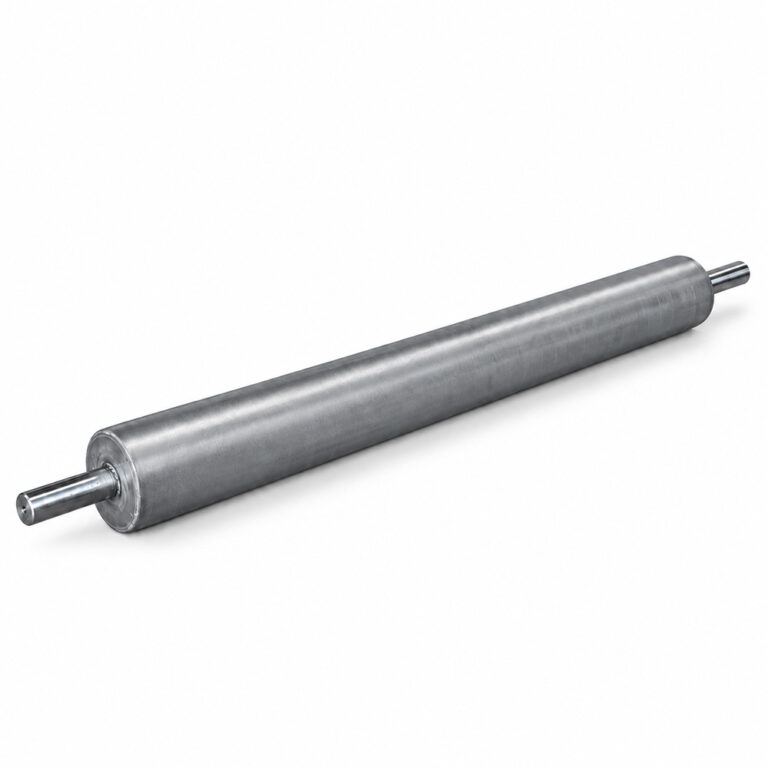
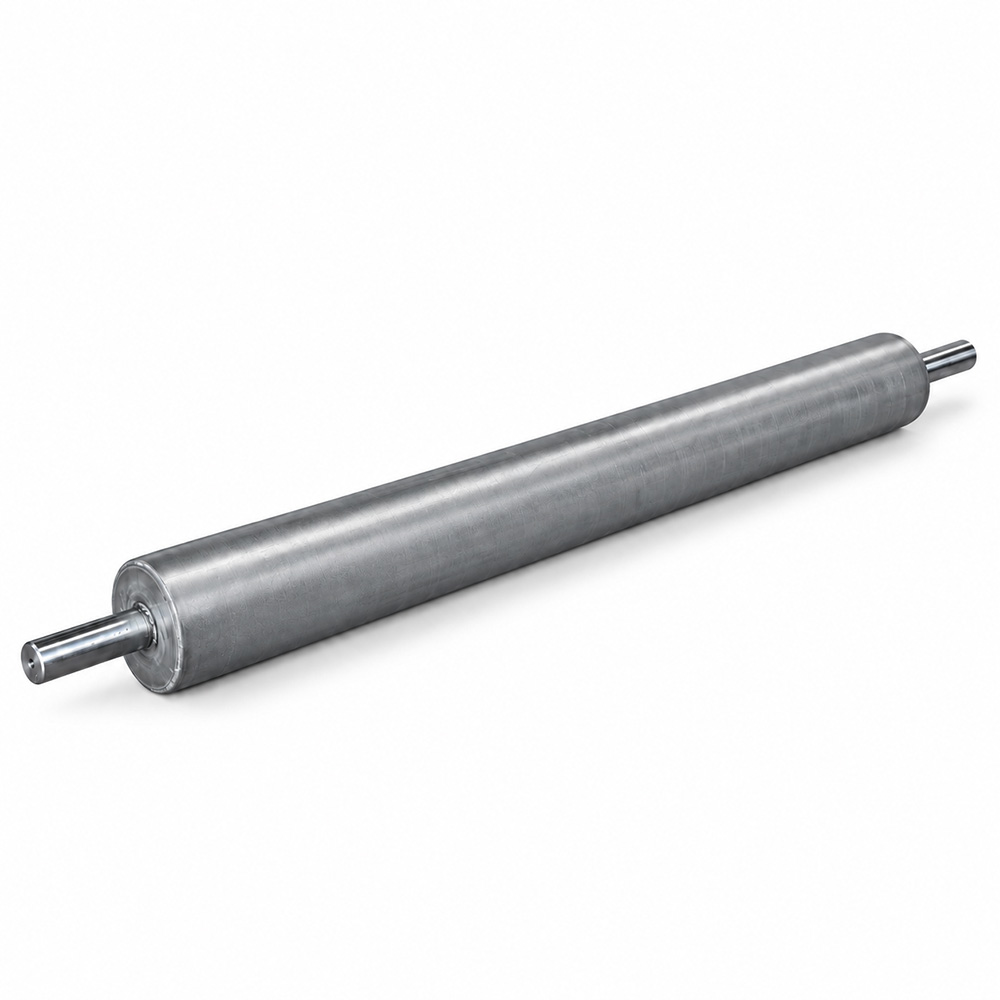
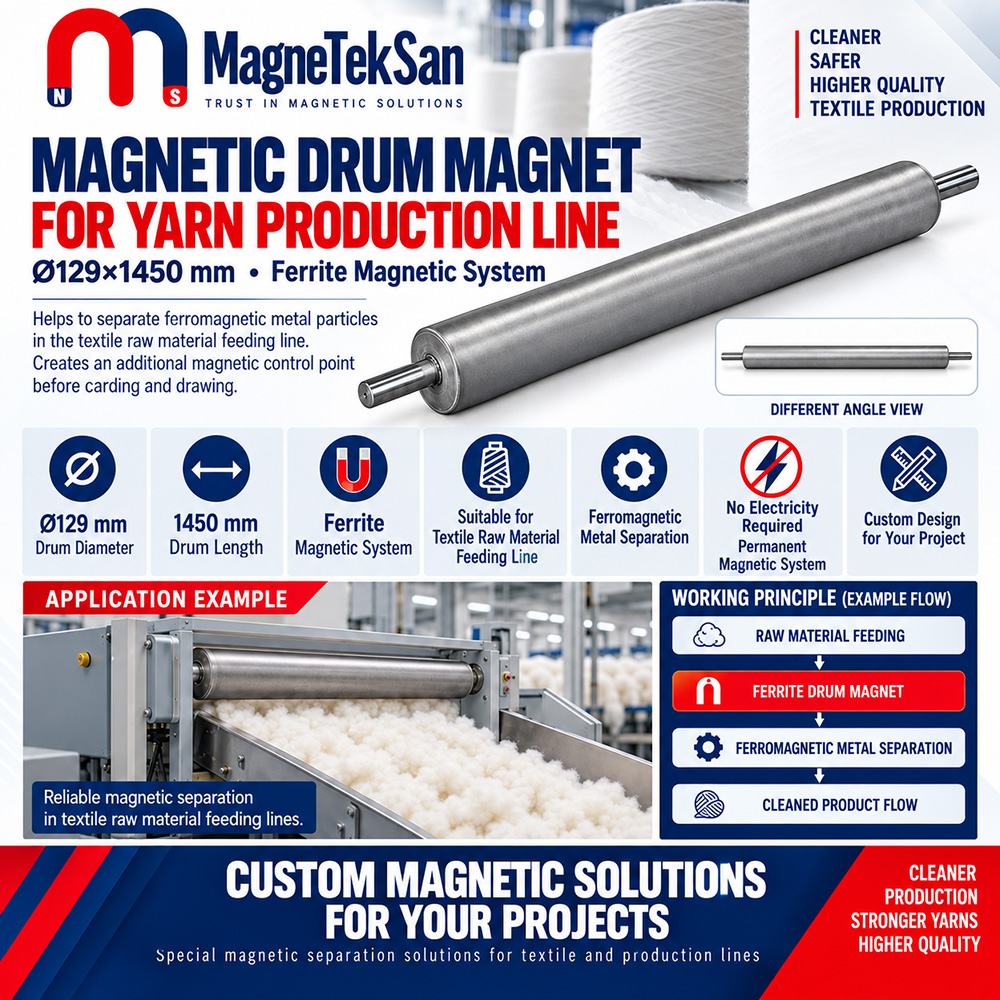
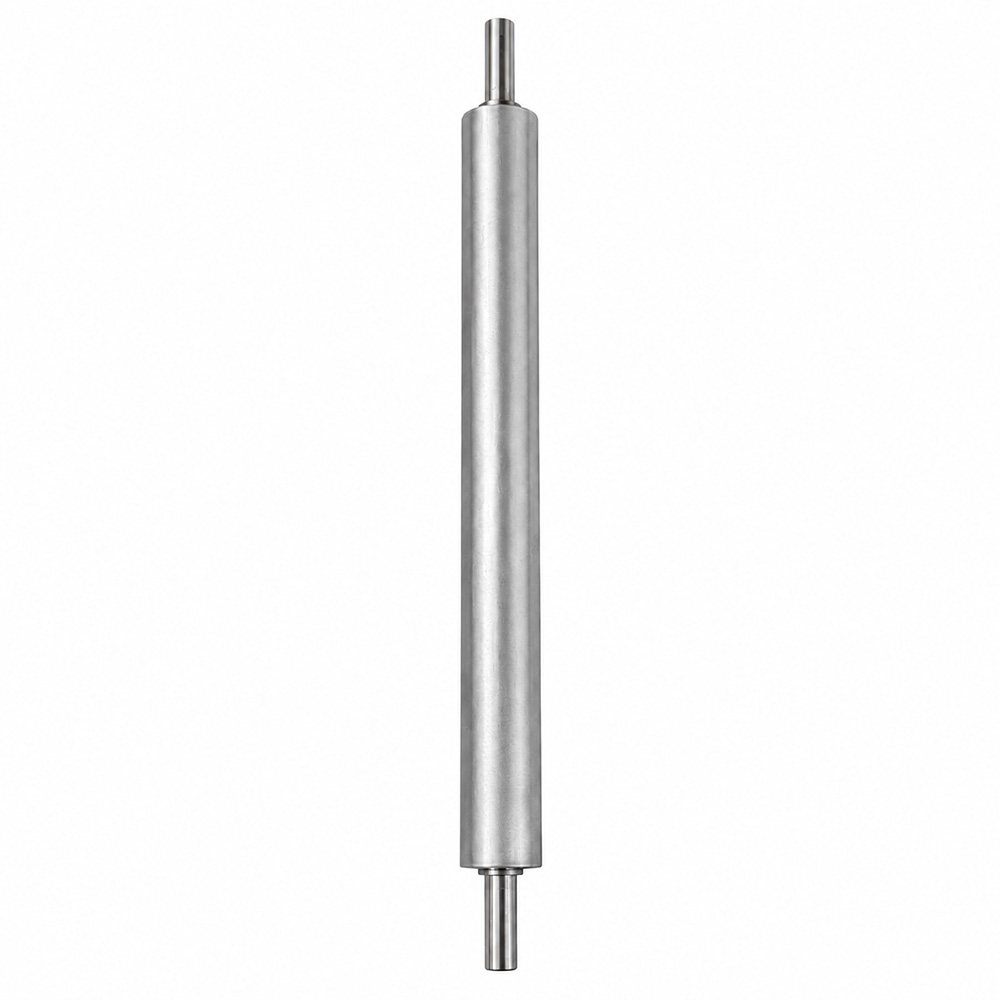
The Yarn Production Line Ferrite Drum Magnet – Ø129×1450 mm is designed to help remove ferromagnetic iron and steel contamination from textile raw materials during feeding and transfer processes. Its permanent ferrite magnetic system provides continuous magnetic separation without requiring electricity to generate the magnetic field.
| Technical Specification | Value |
|---|---|
| Product Type | Ferrite Drum Magnet |
| Application | Yarn Production Line |
| Process Area | Raw Material Feeding / Transfer |
| Drum Diameter | Ø129 mm |
| Drum Length | 1450 mm |
| Drum Size | Ø129×1450 mm |
| Magnetic System | Permanent Ferrite |
| Target Material | Ferromagnetic Iron / Steel |
| Separation Principle | Permanent Magnetic Attraction |
| Electricity for Magnetic Field | Not Required |
| Integration | Project-Specific Production Line Integration |
Extra Information
What is a Yarn Production Line Ferrite Drum Magnet?
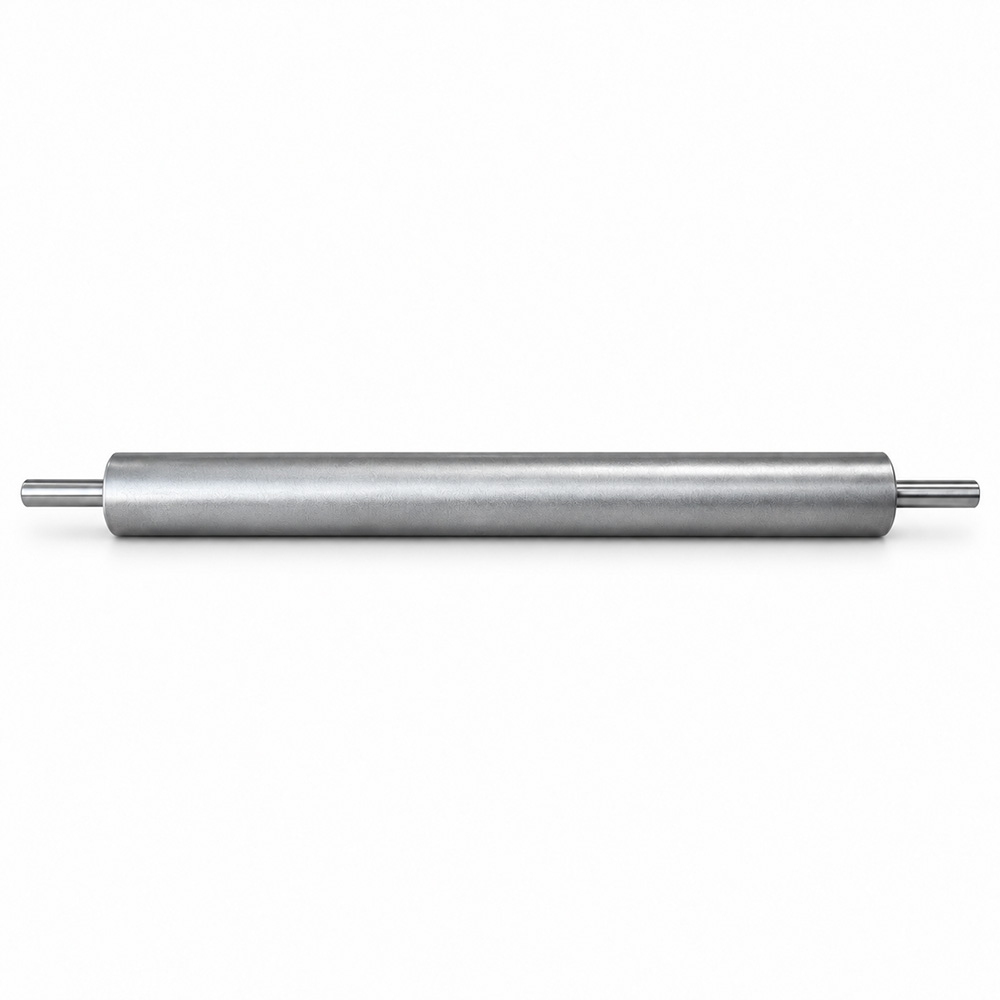
A Yarn Production Line Ferrite Drum Magnet is a cylindrical permanent magnetic separator used in textile raw material feeding and transfer sections.
Its purpose is to help remove ferromagnetic metal contamination from raw material before that material reaches subsequent production equipment.
Typical contaminants may include suitable:
- iron fragments,
- steel particles,
- wire pieces,
- screws,
- bolts,
- small ferromagnetic machine fragments.
The actual separation performance depends on the metal size, shape, weight, magnetic properties and process configuration.
Where is the Ferrite Drum Magnet Used in Yarn Production?
The product is intended primarily for the raw material feeding section of yarn production lines.
A typical process can be:
Textile Raw Material
↓
Raw Material Feeding / Transfer System
↓
Ø129×1450 mm Ferrite Drum Magnet
↓
Ferromagnetic Metal Separation
↓
Controlled Textile Raw Material
↓
Next Production Process
The exact installation point should be selected according to the design of the production line.
What is the Working Principle?
The drum creates a permanent magnetic field across the material passage area.
As textile raw material enters the effective magnetic region:
Non-Magnetic Textile Material → Continues Through the Process
Ferromagnetic Iron / Steel → Is Attracted Towards the Magnetic Area
This helps reduce unwanted ferrous contamination before the raw material reaches downstream production equipment.
What are the Dimensions of the Drum Magnet?
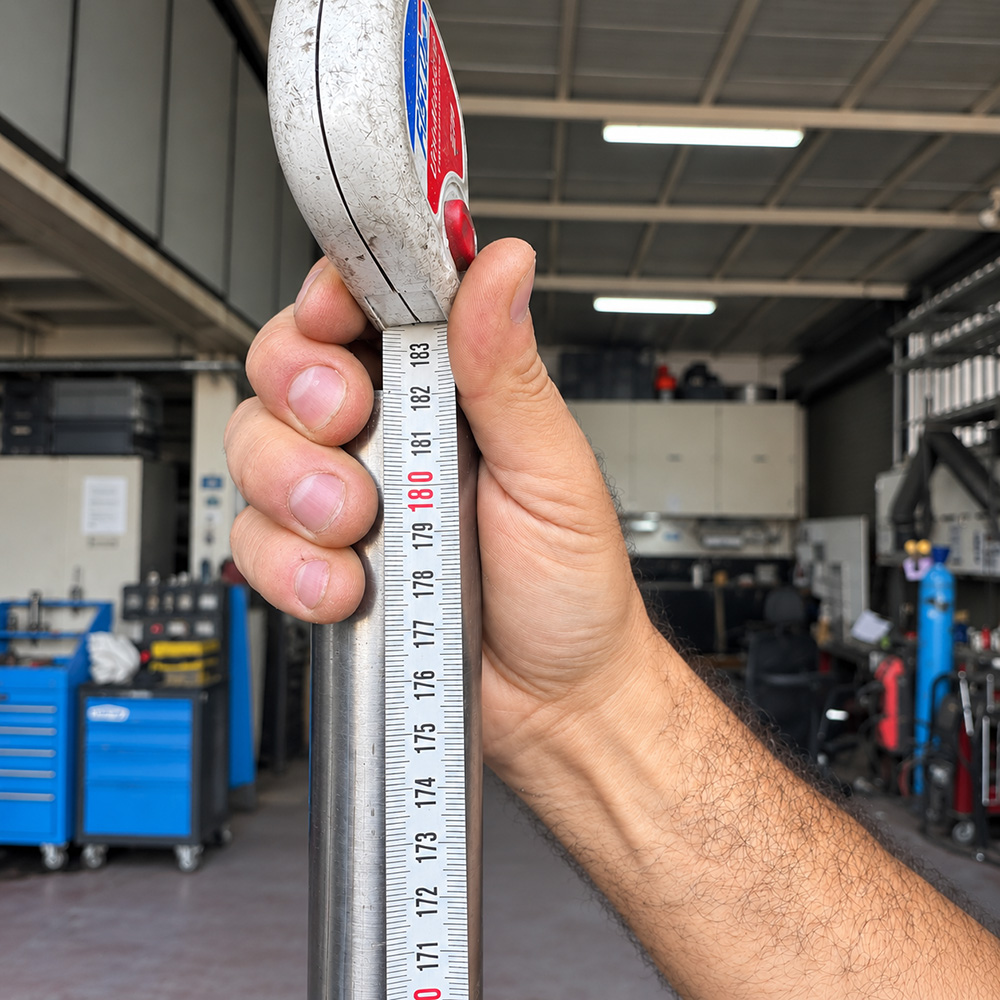
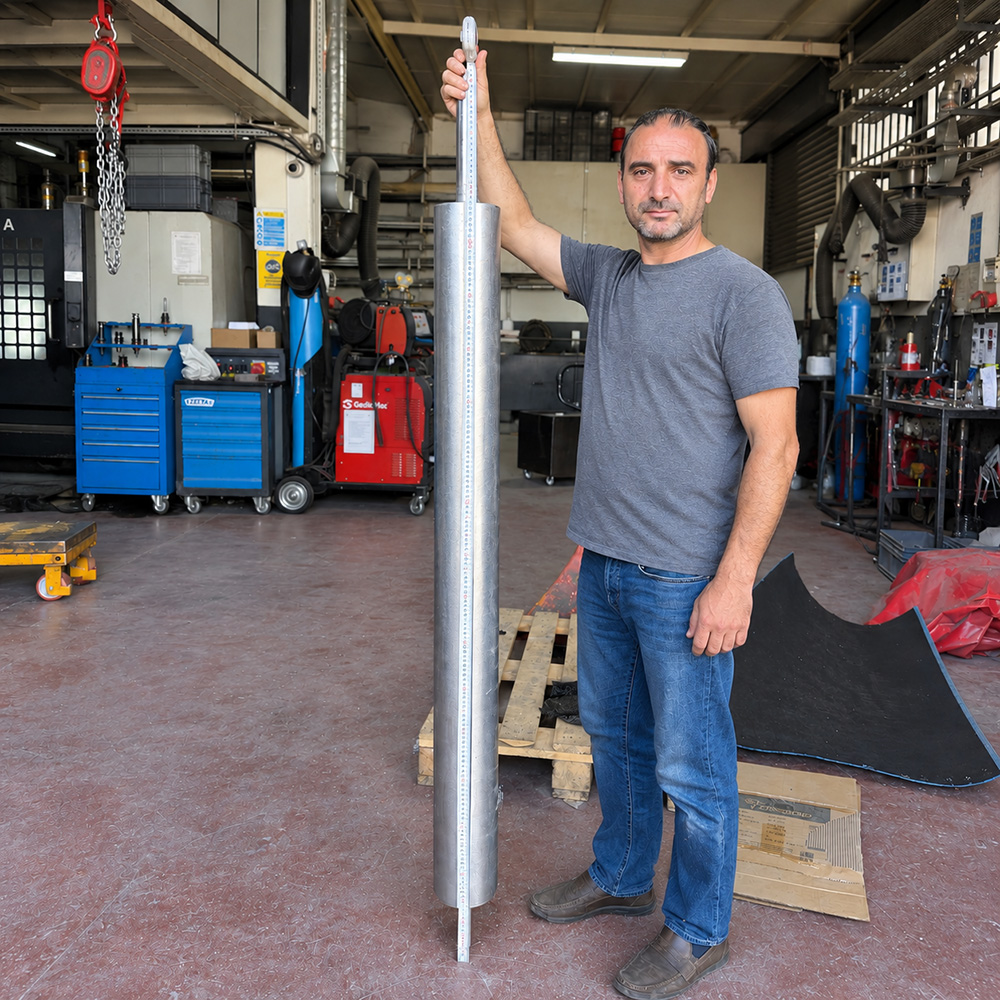
The verified drum dimensions are:
Ø129×1450 mm
This means:
- Diameter: Ø129 mm
- Length: 1450 mm
The long 1450 mm body provides an extended magnetic working area for suitable textile raw material handling systems.
Why is the Drum 1450 mm Long?
A long magnetic drum can provide magnetic coverage across a broad material flow area.
However, the suitable working width should always be evaluated together with:
- actual feed width,
- material distribution,
- flow thickness,
- equipment geometry,
- installation clearances.
The 1450 mm drum length should not automatically be interpreted as the suitable conveyor or process width for every application.
What Type of Magnet is Used?
The product uses a ferrite permanent magnetic system.
Ferrite is commonly suitable for industrial magnetic separation applications requiring:
- continuous magnetic operation,
- permanent magnetic field,
- no electrical excitation for magnetism,
- industrial-scale magnetic separation.
Does the Magnetic System Require Electricity?
No.
The magnetic field is generated by permanent ferrite magnets.
Therefore, electricity is not required to generate the magnetic field.
If the final machine configuration includes a driven rotating drum, conveyor or other mechanical equipment, those external components may require electrical power.
Is This an Electromagnet?
No.
This product uses permanent ferrite magnets.
It does not require an electrical coil to create the magnetic field.
What Type of Metal Does It Separate?
The system is designed primarily for ferromagnetic metals such as suitable iron and steel contamination.
Examples may include:
- iron particles,
- steel pieces,
- wire fragments,
- bolts,
- screws,
- nails,
- ferrous machine fragments.
Actual capture depends on the physical characteristics of the contamination.
Can It Separate Aluminium?
No.
Aluminium is not ferromagnetic under normal conditions and therefore is not a target material for this permanent magnetic system.
Can It Separate Copper?
No.
Copper is not ferromagnetic under normal conditions and is not effectively captured by a conventional permanent ferrite magnetic separator.
Can It Separate Stainless Steel?
This depends on the stainless-steel grade.
Ferritic and martensitic stainless steels can exhibit significant magnetic response.
Austenitic stainless steels may show weak or insufficient magnetic attraction.
Where stainless-steel contamination is a concern, actual samples should be tested.
Why is Metal Separation Important in Yarn Production?
Ferromagnetic contamination entering textile production equipment may create several operational issues depending on the production process.
A magnetic separation stage can help:
- reduce ferrous contamination entering downstream machinery,
- provide an additional raw material control point,
- capture unwanted ferromagnetic fragments,
- support cleaner production flow,
- reduce the possibility of ferrous foreign material continuing through the process.
The exact benefit depends on the production line and the nature of the raw material.
Does the Drum Magnet Improve Product Quality?
It can help improve raw material control by reducing suitable ferromagnetic contamination.
However, it should not be described as guaranteeing final yarn quality, because final product quality also depends on many other production parameters.
The drum magnet performs a specific function: ferromagnetic metal separation.
Can It Protect Downstream Machinery?
Removing suitable ferromagnetic pieces before downstream equipment may help reduce the possibility of those pieces entering sensitive processing machinery.
The actual protective effect depends on:
- size of the metal contamination,
- magnetic capture performance,
- installation point,
- raw material flow conditions,
- downstream machine design.
Where Should the Drum Magnet Be Installed?
The most appropriate installation point is normally a location where the raw material can pass effectively through the magnetic working zone.
Possible positions may include:
- raw material feeding sections,
- transfer points,
- discharge sections,
- suitable conveyor or material flow transitions.
The exact position should be selected according to the actual line layout.
Does the Raw Material Need to Contact the Drum?
The required relationship between the material and drum depends on the final mechanical design.
In general, magnetic separation performance improves when the target ferromagnetic contamination passes sufficiently close to the effective magnetic field.
The system geometry should therefore avoid unnecessary working distance.
What is the Attraction Distance?
A fixed attraction distance should not be specified without application data.
The effective attraction distance depends on:
- metal size,
- metal weight,
- metal shape,
- ferrite magnetic circuit,
- material layer thickness,
- distance between contamination and drum,
- raw material properties.
For this reason, the actual working distance should be evaluated for each project.
What is the Gauss Value?
A verified fixed Gauss value is not shown in the currently indexed Magneteksan product information for this model. The catalog confirms the Ø129×1450 mm ferrite drum configuration, but does not provide a numerical Gauss specification.
Therefore, an unverified Gauss value should not be added to the technical specifications.
Is a Higher Gauss Value Always Better?
Not necessarily.
For industrial drum magnets, separation performance depends on more than surface Gauss.
Important parameters also include:
- magnetic field geometry,
- field depth,
- target metal size,
- target metal weight,
- distance from the magnetic surface,
- raw material layer thickness,
- material flow conditions.
For large industrial separators, the magnetic field at the actual working distance is particularly important.
Does the Drum Rotate?
A magnetic drum may be integrated into different mechanical arrangements.
The precise rotating component, shaft configuration and drive method should be determined according to the actual machine design.
For this product, the verified public information identifies it as a Ø129×1450 mm ferrite magnetic drum, but does not provide sufficient detail to specify the complete drive configuration.
Is the Motor Included?
A motor specification is not stated in the verified product information.
Therefore, motor inclusion should be determined according to the specific project and final mechanical configuration rather than assumed as standard.
Is the Drum Suitable for Continuous Operation?
The permanent ferrite magnetic field itself is continuously active without electrical excitation.
For continuous mechanical operation, however, the bearings, shafts, drive system and surrounding machine components must be designed according to the actual duty requirements.
What Raw Materials Can Be Processed?
The product is intended for textile raw material handling in yarn production lines.
Exact suitability depends on:
- raw material type,
- particle or fibre characteristics,
- bulk density,
- flow behaviour,
- feed rate,
- material layer thickness.
These parameters should be evaluated before finalising the application.
Can It Be Used with Fibre Material?
The product is specifically listed for a yarn production raw material feeding application, so textile raw material is its intended use case.
However, the actual feeding method must be designed so that fibre accumulation, wrapping or irregular flow does not interfere with the mechanical system.
Can It Be Used in Other Textile Applications?
Potentially yes.
A ferrite drum magnet may be evaluated for other textile material handling processes where ferromagnetic contamination needs to be removed.
However, suitability should be confirmed according to:
- process material,
- feed width,
- material flow,
- contamination type,
- available installation space.
Can It Be Used Outside the Textile Industry?
The magnetic separation principle is not limited to textiles.
Project-specific ferrite drum magnets can potentially be used in other industries handling suitable dry bulk or process materials.
However, the Ø129×1450 mm model described here is specifically presented for yarn production raw material feeding.
How is the Drum Cleaned?
The cleaning method depends on the final mechanical configuration.
Captured ferromagnetic material must be removed from the effective magnetic area in a controlled manner.
If the drum is incorporated into an automatic or continuous discharge system, the surrounding mechanical design determines how captured metal is removed.
Is Manual Cleaning Required?
That depends on the integration method.
Some drum systems use mechanical movement to carry separated metal away from the magnetic zone, while other configurations may require periodic manual cleaning.
The final cleaning method should therefore be defined according to the complete machine design.
Does the Ferrite Magnet Lose its Magnetism?
Permanent ferrite magnets are suitable for long-term industrial use.
However, magnetic performance can be affected by unsuitable operating conditions such as:
- excessive temperature,
- severe physical damage,
- inappropriate mechanical conditions.
The system should be operated within the parameters defined for the final design.
What is the Maximum Operating Temperature?
A verified maximum operating temperature is not specified in the currently indexed product information for this specific model.
Therefore, a fixed temperature such as 80°C should not be added without confirming the magnet grade and final construction.
For projects involving elevated temperatures, the required operating temperature should be specified before production.
Can It Be Manufactured in Different Sizes?
Yes, magnetic drums are listed by Magneteksan as an industrial magnetic separator product family, and other drum sizes are also shown in the company’s separator catalogue.
For a custom project, the following may be evaluated:
- drum diameter,
- drum length,
- magnetic material,
- magnetic field requirement,
- shaft design,
- installation geometry,
- material flow conditions.
Can a Neodymium Version Be Manufactured?
Magneteksan also manufactures neodymium magnetic drum products, including other Ø129 mm drum configurations, so a neodymium design can be evaluated separately where higher magnetic performance is required.
The choice between ferrite and neodymium should be based on the actual process requirements rather than magnet type alone.
Ferrite or Neodymium – Which Should Be Selected?
The correct magnet material depends on the application.
Ferrite may be suitable where:
- permanent operation is required,
- larger magnetic systems are used,
- moderate magnetic performance is sufficient,
- project economics are important.
Neodymium may be considered where:
- stronger magnetic field is required,
- smaller ferrous particles must be targeted,
- higher magnetic intensity is necessary.
The final selection should be made according to the contamination and working distance.
What Information is Required for a New Yarn Production Project?
For correct drum magnet selection, the following information is useful:
- type of textile raw material,
- feed width,
- raw material layer thickness,
- approximate capacity,
- material flow speed,
- available installation dimensions,
- type of ferromagnetic contamination,
- approximate metal size,
- required working distance,
- existing feeding or conveyor arrangement.
These parameters help determine the most appropriate magnetic drum configuration.